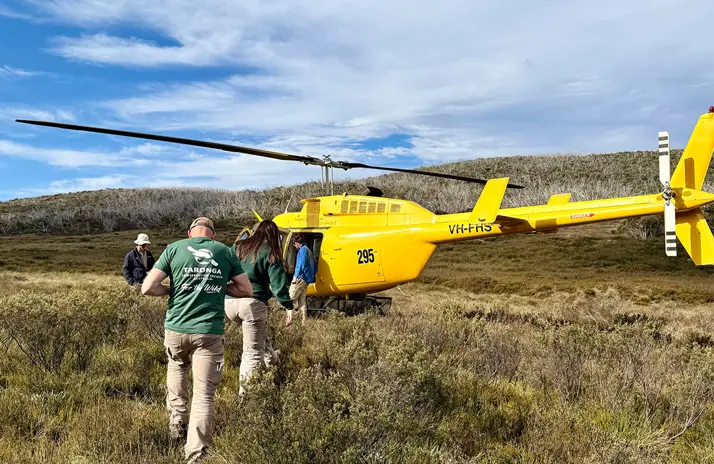
Wild Platypus recovering at Taronga after fishing-line flipper injury
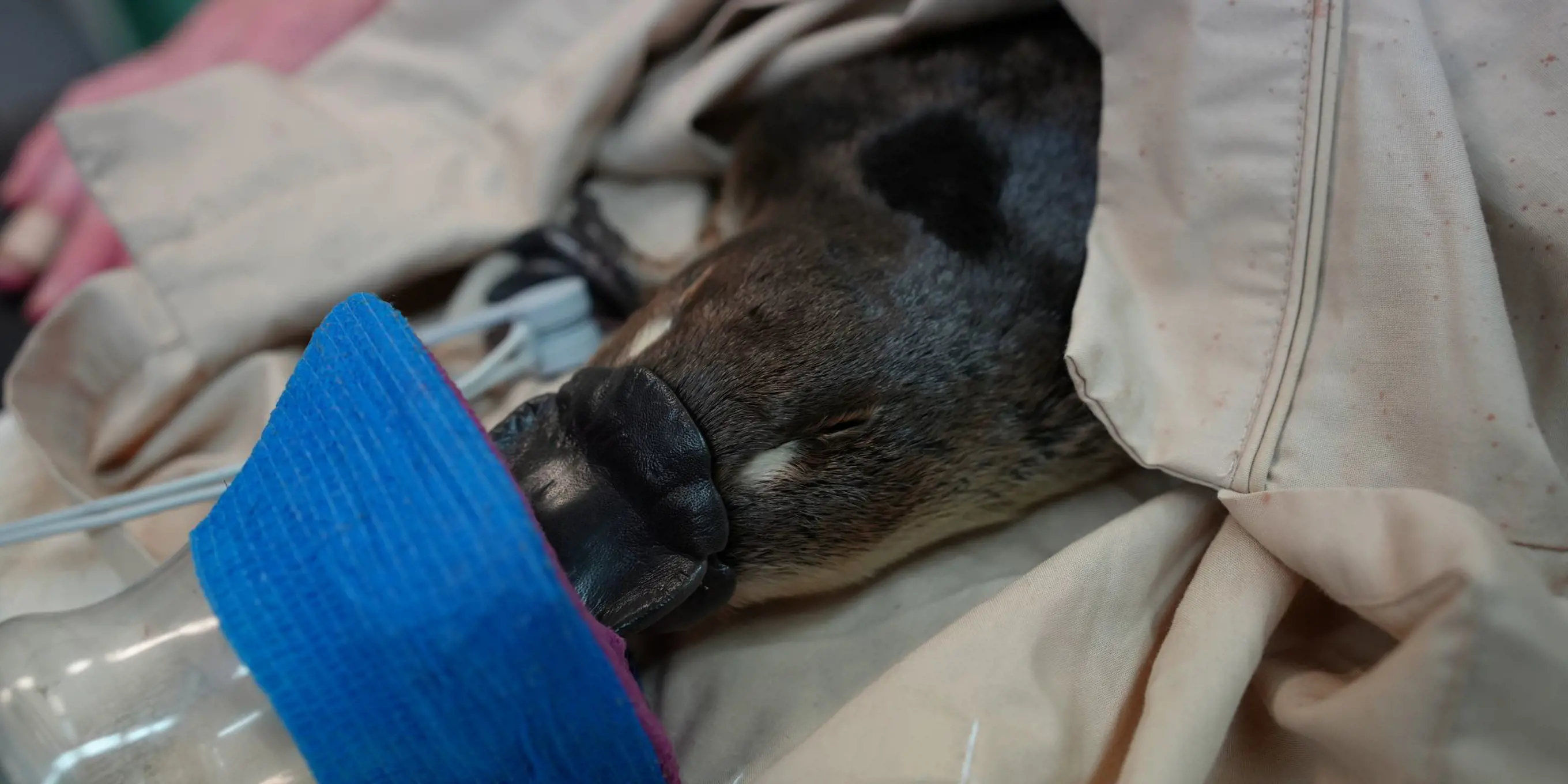
A male platypus is rehabilitating at Taronga Zoo’s Platypus Refuge, after nine-weeks of intensive care under Taronga Wildlife Hospital’s expertise following an extensive flipper injury caused by fishing line entanglement.
Animals
Posted on 12 Apr 2026 by Media Release
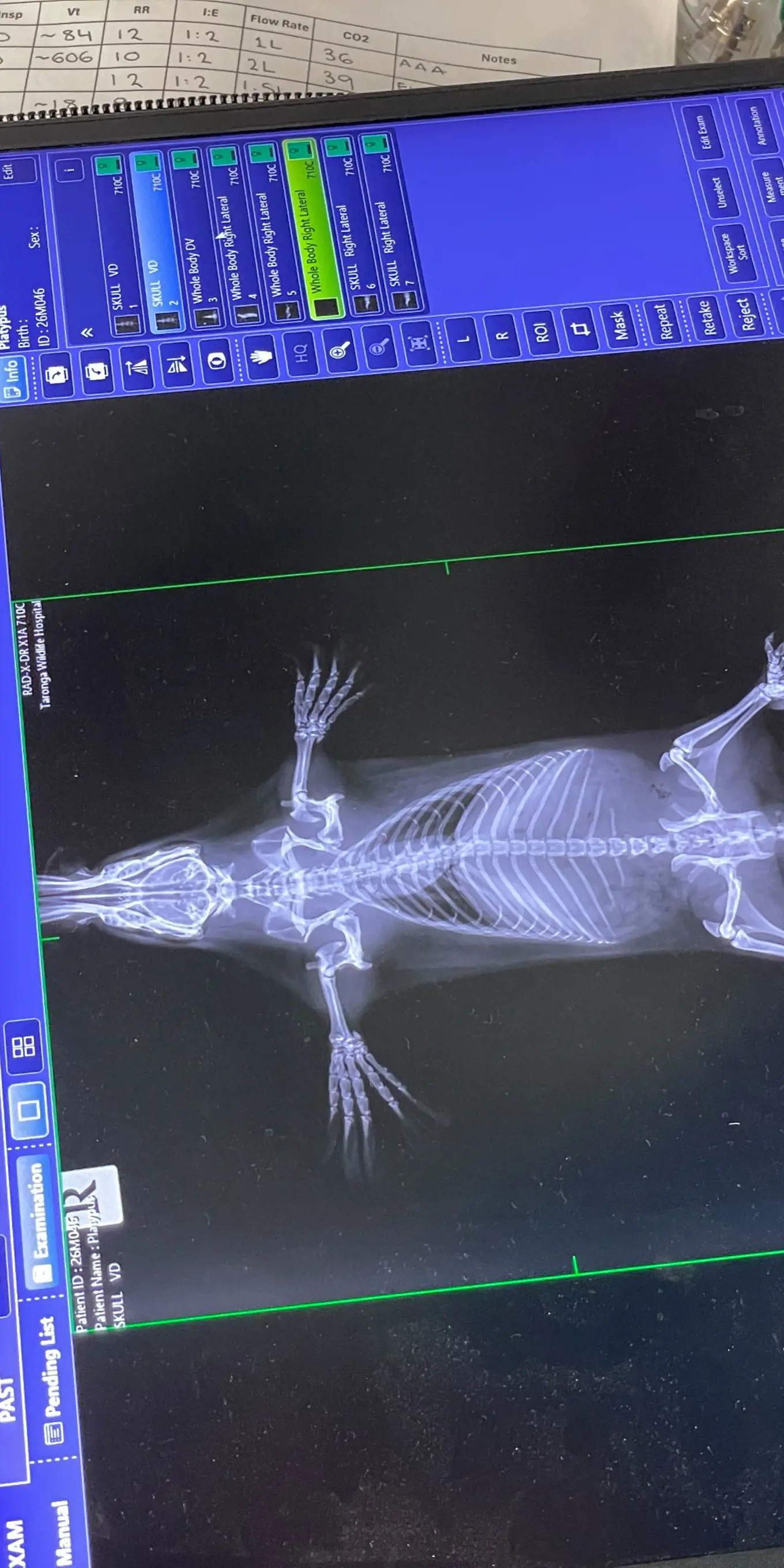
Found in early February entangled in assorted debris, fishing line, an embedded three-pronged lure in his front flipper and puncture wound to his bill, Vets at Bangalow Vets, and with the help of Taronga’s Dr Larry Vogelnest, performed an emergency surgery to remove the fishing hook and line from the platypus’ flipper before he was transferred to Byron Bay Wildlife Hospital and then ultimately onto Taronga Zoo’s specialist Platypus Refuge.
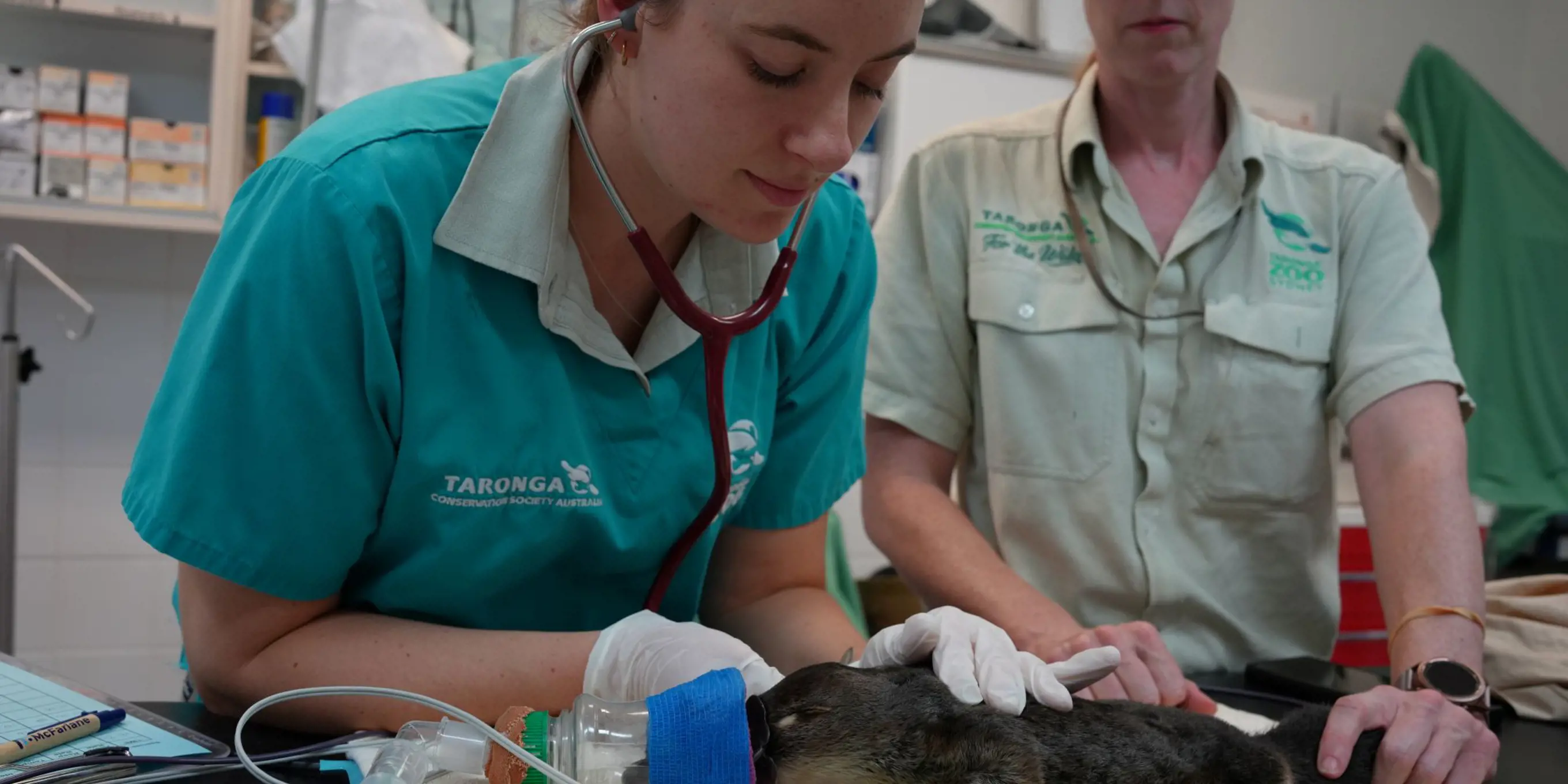
On arrival at Taronga Wildlife Hospital, Taronga’s veterinary team assessed the platypus and conducted a series of general anaesthetics to remove and treat the compromised tissue from the injured flipper and support the healing of the bill puncture. Affectionately nicknamed Nemo in reference to the iconic Finding Nemo character, the platypus has received his care and treatment in the zoo’s Platypus Refuge.
The purpose-built facility allows for hands-off monitoring and rehabilitation thanks to CCTV cameras, specialised nests boxes and water bodies – all critical learnings after the devastating effects the Black Summer fires in 2019 had on wild platypus populations.
Taronga’s experienced platypus keepers provided a specialised platypus diet which he heartily consumed and have been closely monitoring CCTV footage to assess the swimming and feeding behaviours to directly assess his suitability for release back to the wild.
“Nemo has maintained very strong nocturnal instincts, so the Platypus Refuge’s CCTV monitoring is instrumental to our husbandry and monitoring, we can see how often and how long he is foraging, what he is foraging for and also to assess his rehabilitation progress,” said Amy Guilfoyle, Australian Fauna Supervisor at Taronga Zoo Sydney.
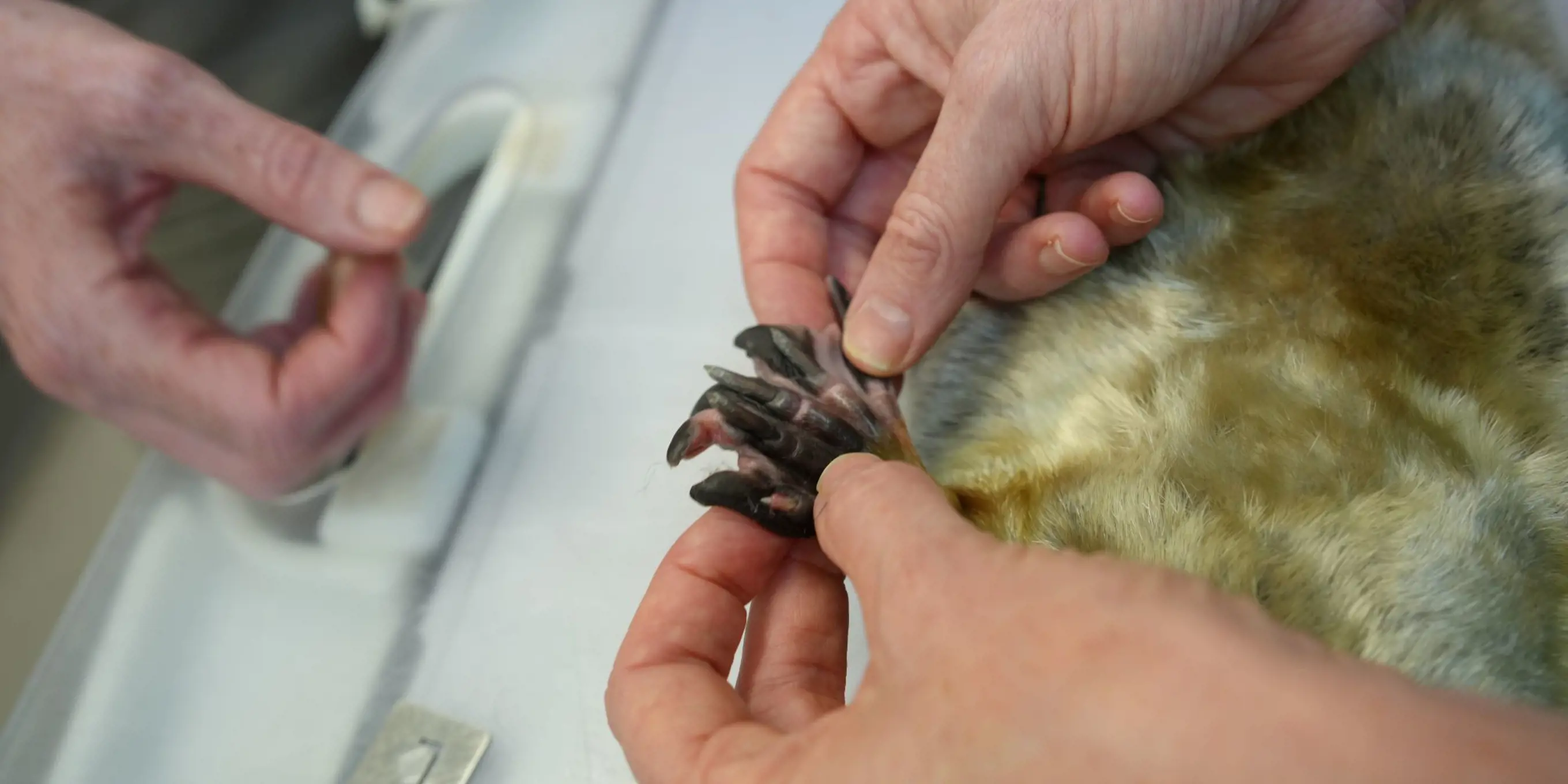
Platypuses are semi-aquatic mammals that use their purpose-built front flippers for diving, foraging and swimming, as well as digging complex burrows in riverbanks for resting or nesting. The damage to Nemo’s flipper is being assessed to determine if he will regain sufficient function to be able to survive and thrive in the wild
While the flipper injury caused by the fishing line and hook has healed, the use of the flipper has been impaired. He’s undergoing assessments to determine if he will regain full swimming, diving and digging abilities to survive in the wild.
“The fishing-line injury on Nemo’s front left flipper has healed beautifully under veterinarian treatment, but it’s really important that he gets full use of the flipper as they are such an important adaptation for so many survival behaviours.”
This special wildlife patient serves as an important reminder that all animals, including freshwater mammals, are highly susceptible to injuries from discarded or unattended fishing line and hooks. Taronga Wildlife Hospital in Sydney receives approximately 125 native animal patients each month, many of these injured by entanglement in fishing line and ingested fishing hooks.
Taronga has free resources such as Litter Free Rivers and Litter Free Oceans campaigns that encourages businesses and schools to protect local environments from litter – a simple and actionable way to safe-guard Australian species, just like the Platypus, from extinction.
Taronga’s Platypus Refuge was born after the Black Summer bushfires in 2019/2020 saw Taronga called in to rescue seven Platypuses from drought affected Tidbinbilla Nature Reserve in the ACT. This event highlighted the lack of availability of emergency refuge for platypuses in catastrophic events and prompted the construction of the world first platypus refuge at Taronga Zoo Sydney in 2023 with funding from RSPCA.
Media Relations
Taronga Zoo Sydney
Taronga Conservation Society Australia is a leader in the fields of conservation, research, animal welfare, wildlife rehabilitation and environmental education.
Taronga is a not-for-profit organisation with an absolute commitment to conservation and securing a shared future for wildlife and people.
Say hi