Reef Recovery Program update
The Great Barrier Reef is one of the great natural wonders of the world. Coral reefs are crucial ecosystems that are threatened by multiple processes, particularly warming and ocean acidification as a result of climate change. Right now, there is as much coral genetic diversity on the reef as there will be in our lifetimes, because every time there is a bleaching event, we are losing coral.
Posted on 23 Feb 2023 by Media Post
The Great Barrier Reef is one of the great natural wonders of the world. Coral reefs are crucial ecosystems that are threatened by multiple processes, particularly warming and ocean acidification as a result of climate change. Right now, there is as much coral genetic diversity on the reef as there will be in our lifetimes, because every time there is a bleaching event, we are losing coral.
Taronga is the leading organisation in Australia applying cryopreservation technologies to reef management, restoration and research, for conservation management of the Great Barrier Reef. Our team of biologists working with the Smithsonian Institution, the Australian Institute of Marine Science (AIMS), the Great Barrier Reef Foundation, and Traditional Owners, have been attending annual spawning seasons since 2011, focussing on the cryobanking of keystone coral reef species (i.e. those that are essential to reef structure and function).
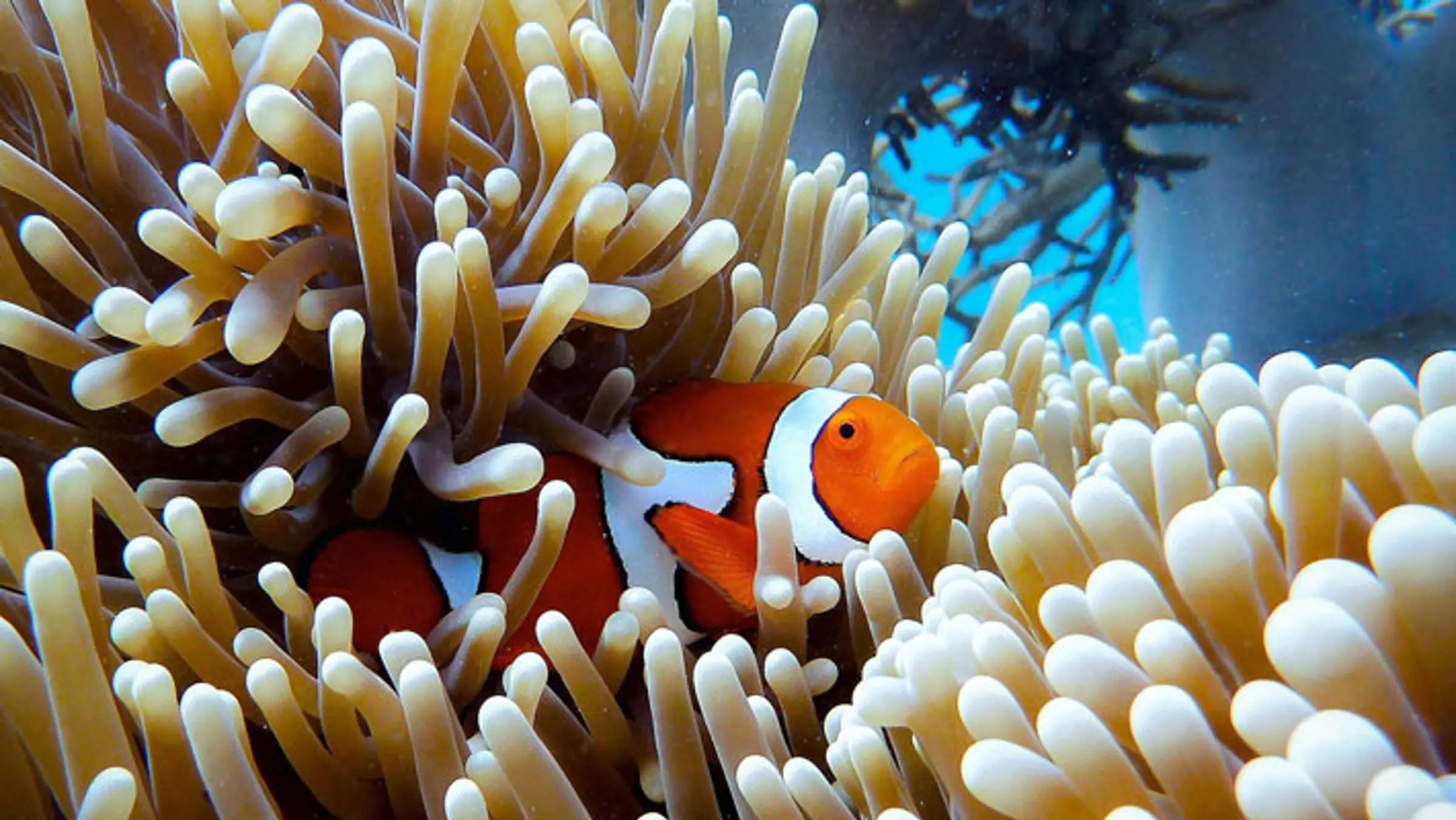
Taronga’s Reef Recovery team have just come out of their busiest time of the year, spending a portion of November and December in Queensland for the coral spawning season.
In November, the team travelled to Konomie, or North Keppel Island, as part of an On-Country spawning event with the Woppaburra Traditional Owners and collaborators from AIMS and funded by the Australian Coral Reef Initiative (ACRRI) – a partnership between BHP and AIMS. Material from 24 coral colonies was cryopreserved and banked with the free, prior, and informed consent of the Woppaburra Traditional Owners, and discussions were undertaken to ensure a culturally safe transfer of coral cells from sea Country to Taronga’s CryoDiversity Bank. Taronga’s CryoDiversity Banks, located on Cammeraigal and Wiradjuri Country, currently house 30 species of coral and represent the largest cryobank of living coral cells in the world.
In December, Dr Jon Daly, Dr Rebecca Hobbs and Dr Justine O’Brien from Taronga joined collaborators from the Smithsonian, Australian Institute of Marine Science and the Great Barrier Reef Foundation at the AIMS SeaSim near Townsville to trial a new freezing technology that could be game-changing for cryopreserving coral larvae. The team used a new cryo mesh technology developed by collaborators at the University of Minnesota and were able to cryopreserve larvae from a species of coral called the mushroom coral. Those samples are now at Taronga in the CryoDiversity Bank.
Over the next period, the team will continue analysing the data that was collected during spawning in December, so it is ready to share for publication. Further work will continue with collaborators from the United States of America to continue progressing the larval cryopreservation work to help make it possible to bank larvae from more coral species during spawning later this year.
This important work is made possible by the support of our partner, Citi Australia, and is delivered as part of the Reef Restoration and Adaptation Program, funded by a partnership between the Australian Government's #reeftrust and the Great Barrier Reef Foundation to develop effective interventions to help the Reef resist, adapt to, and recover from the impacts of climate change.