Skip to main

Observing animal behaviour

S6

Sydney

Science

Summary

S6 - Science
Collect and analyse behavioural data to investigate animal wellbeing and scientific inquiry.

Things to know

  • Stage

    Stage 6
  • Learning areas

     Science
  • Duration

    1 hour
  • Cost

    $19.50 per student for NSW Government Schools, or $22.50 per student for non-NSW Government Schools.
  • Inclusions

    Includes workshop session, learning resource and Zoo entry. 

Workshop overview

Behavioural observations play a vital role in helping Taronga’s scientists understand animal health, wellbeing and survival. By carefully recording how animals behave, researchers can identify patterns, monitor changes over time and develop testable hypotheses that guide further scientific investigation.
 
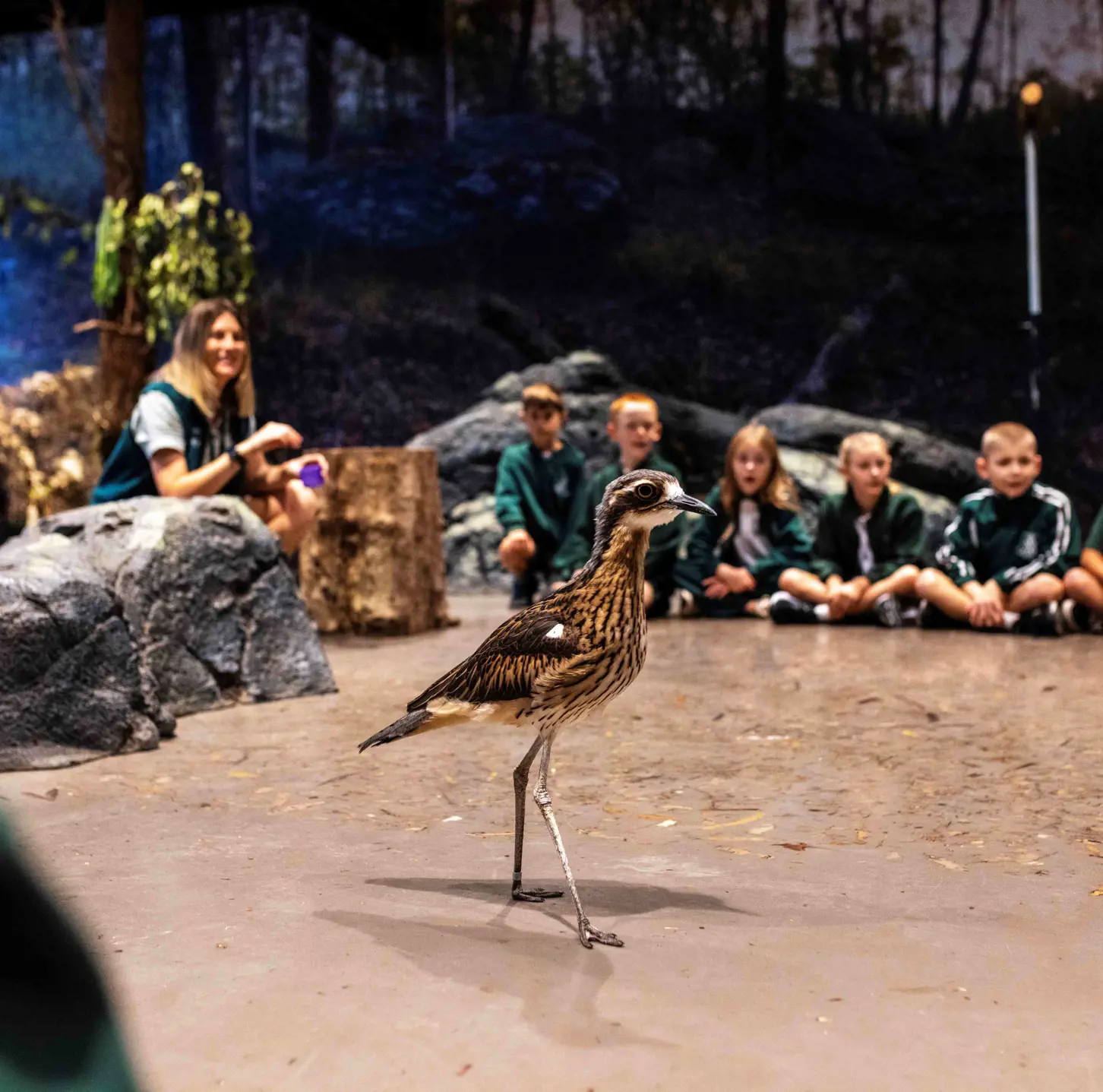
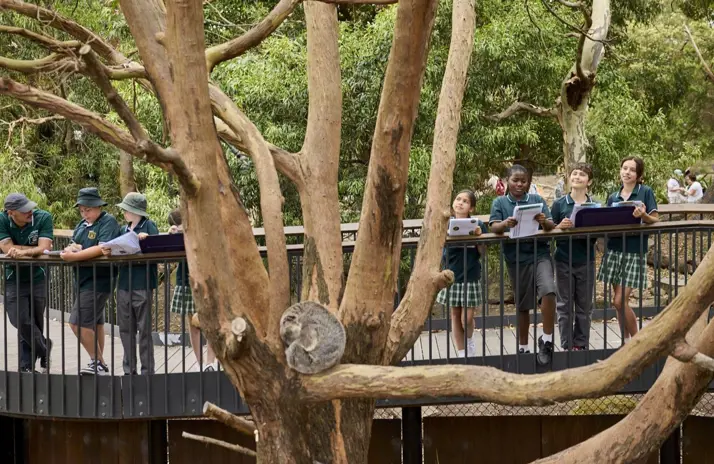
In this Stage 6 Investigating Science workshop, students are introduced to the importance of observation as the foundation of scientific inquiry. Students will conduct a series of animal observations and encounters, collecting primary data on behaviours, interactions and environmental responses. They then collate, interpret and communicate their findings, developing key skills in data analysis and scientific reporting.
 
Note: This workshop is designed to support schools unable to undertake a full‑day depth study, while still providing meaningful opportunities for students to practise inquiry skills in an authentic research context.

Learning outcomes

Stage: Stage 6

Outcomes

Content


Science | Investigating Science

  • INS11/12-1: develops and evaluates questions and hypotheses for scientific investigation.
  • INS11/12-2: designs and evaluates investigations in order to obtain primary and secondary data and information .
  • INS11/12-3: conducts investigations to collect valid and reliable primary and secondary data and information.
  • INS11/12-7: communicates scientific understanding using suitable language and terminology for a specific audience or purpose. 
  • INS11-8: identifies that the collection of primary and secondary data initiates scientific investigations.
  • INS11-9: examines the use of inferences and generalisations in scientific investigations.

Inquiry question: How does observation instigate scientific investigation?


Inquiry question: What are the benefits and drawbacks of qualitative and quantitative observations?


Inquiry question: How does primary data provide evidence for further investigation?


Inquiry question: How does the collection and presentation of primary data affect the outcome of a scientific investigation?

Taronga Education is dedicated to providing inclusive and accessible learning experiences for all students. Our aim is to support every student’s participation and engagement in our workshops, and would be happy to discuss any reasonable adjustments for your students. Please contact our education team with any queries you might have.

Learning resource

Download the learning resource for this workshop. 

Workshop location

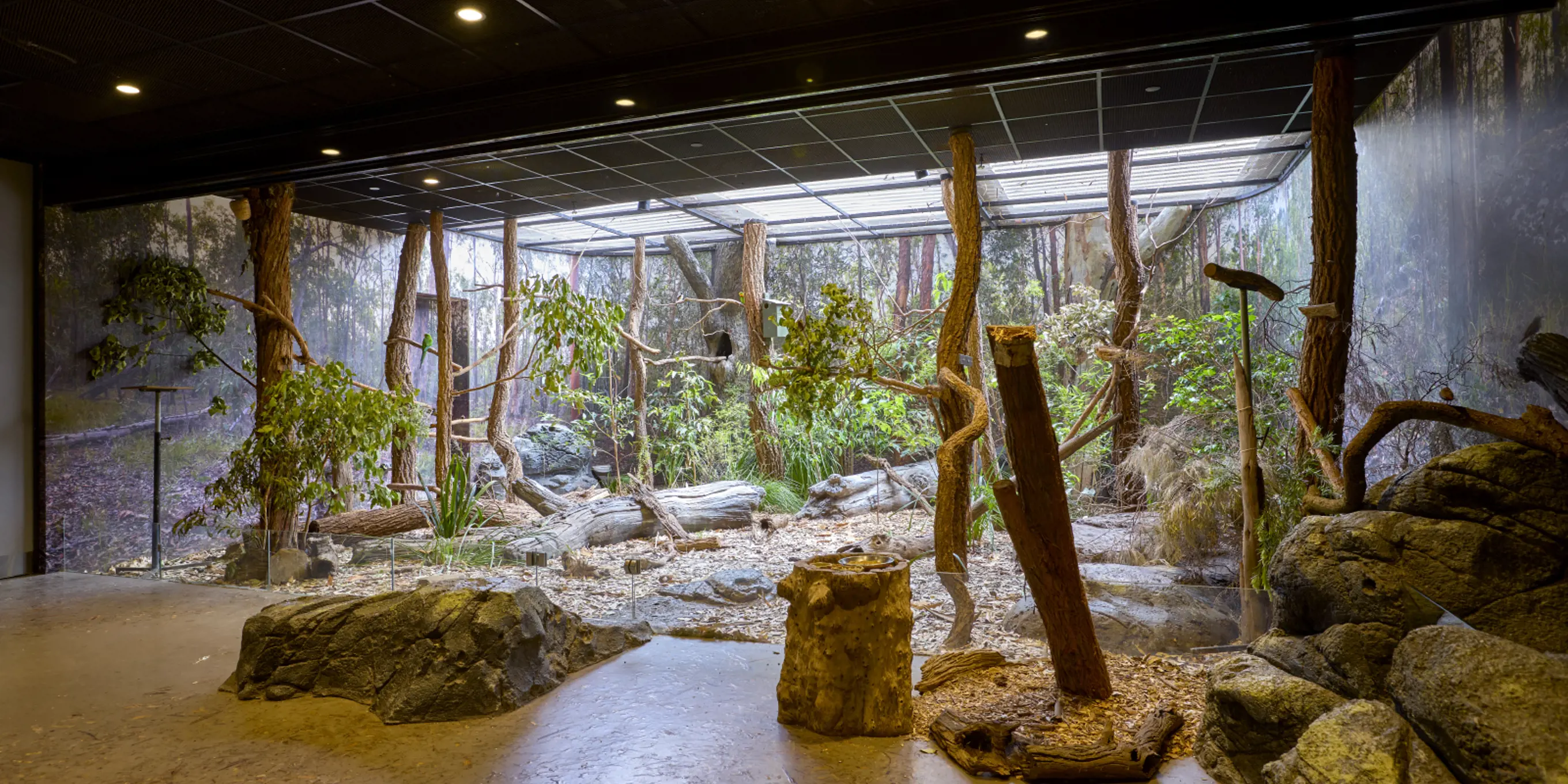
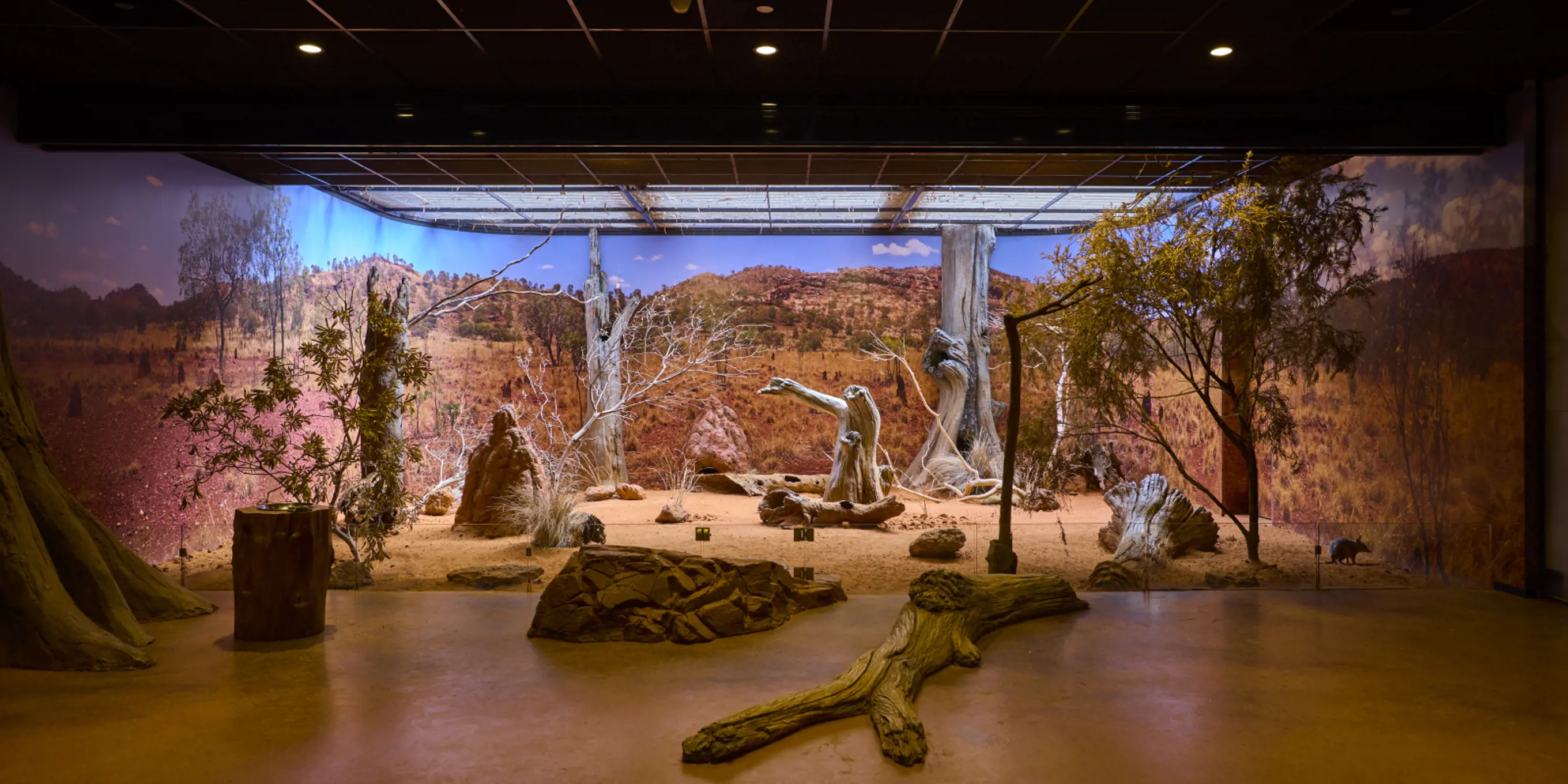
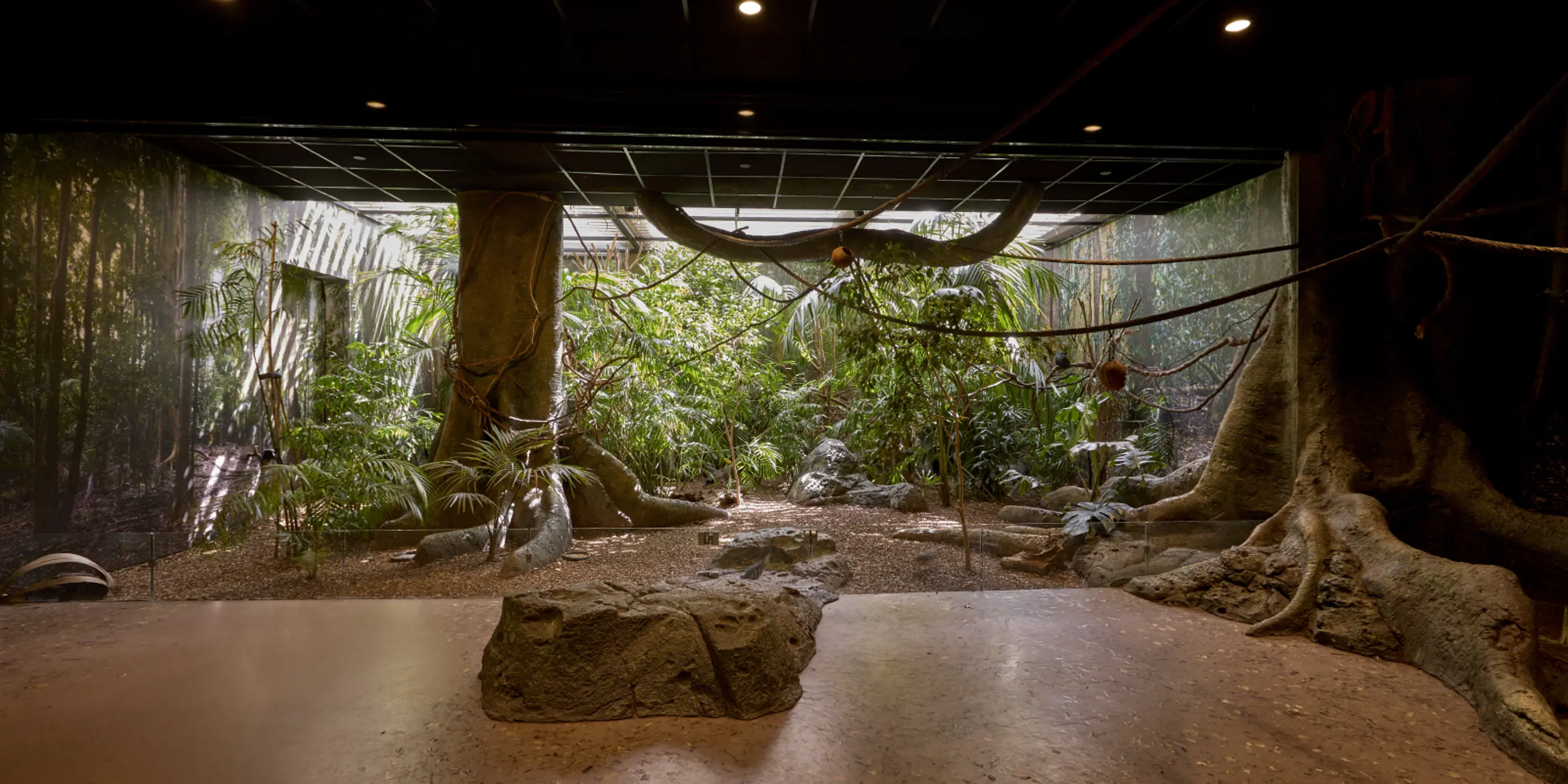
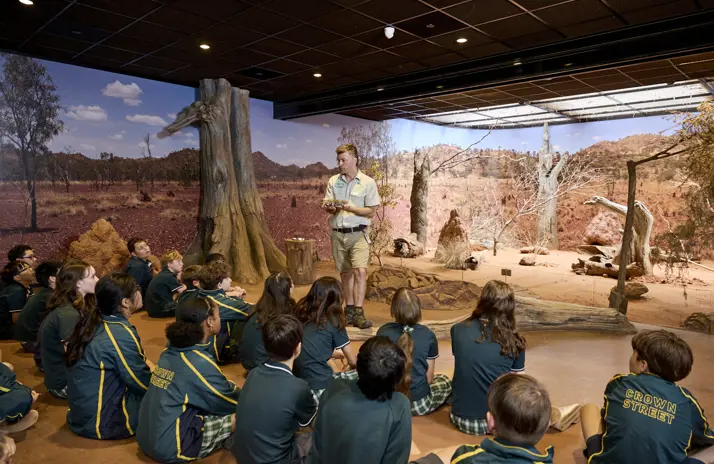
This workshop takes place at Taronga's immersive habitat classrooms.
 
Explore images of our learning spaces below.

Availability

Workshops are available Tuesday to Friday, with session times at:

  • 10:30 am
  • 11:30 am
  • 12:30 pm

Submit a booking request to book this workshop. A member of our Education Team will be in touch to confirm your booking.