
Capybara
Scientific nameHydrochoerus hydrochaeris
Conservation status (IUCN)
Least Concern
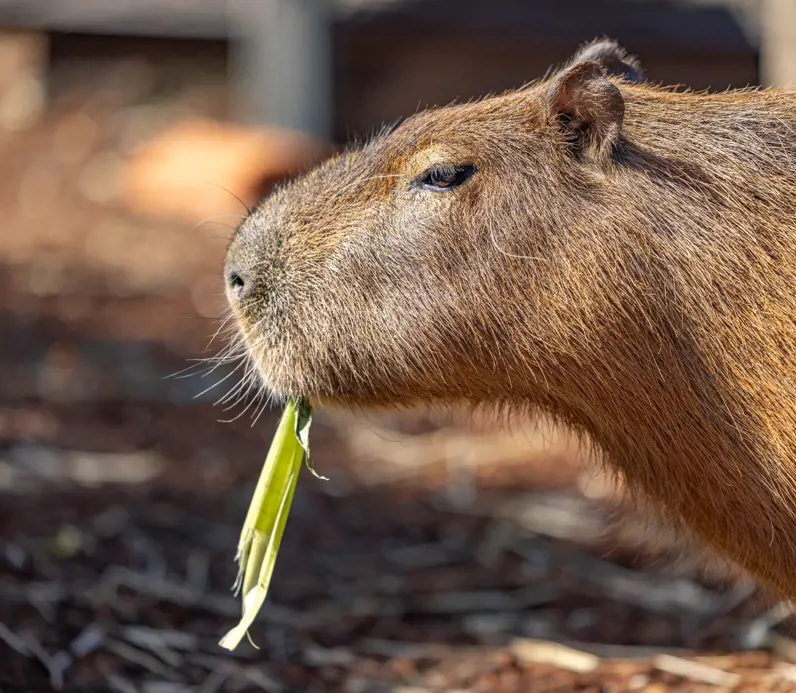
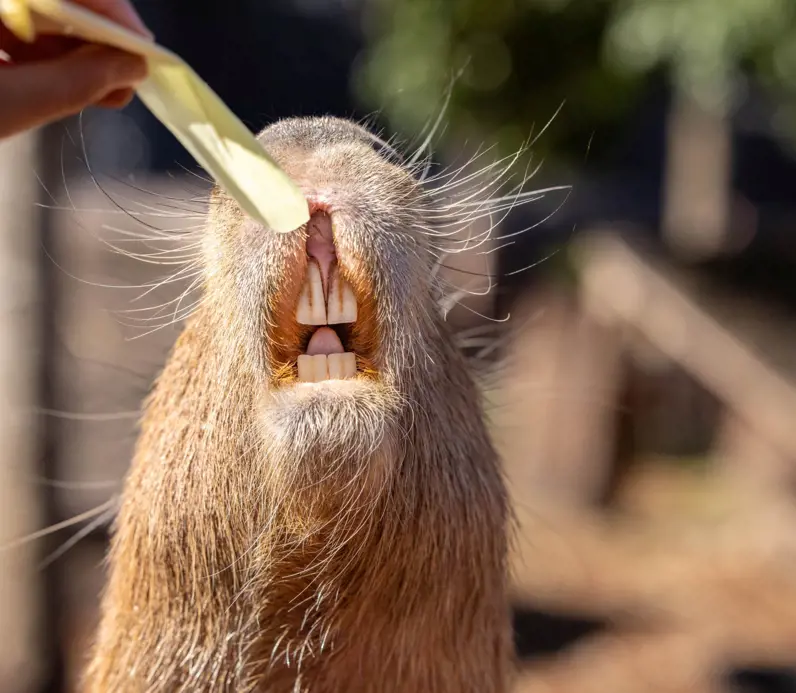
Capybaras are one hundred percent herbivores, and use their long, sharp teeth for grazing on grass and water plants. Their name, ‘Capybara’ literally translates to ‘master of the grasses’. They're the biggest rodent in the world!
Sydney
Visitor tips for Sydney
You can see the Capybara troop right next to the Forest Adventure Playground.
Keeper Talk
1:40pm
Capybara Encounter
10:40am
Fun facts about Capybaras

65cm
Adult capybaras are generally between 50 cm and 65 cm tall.
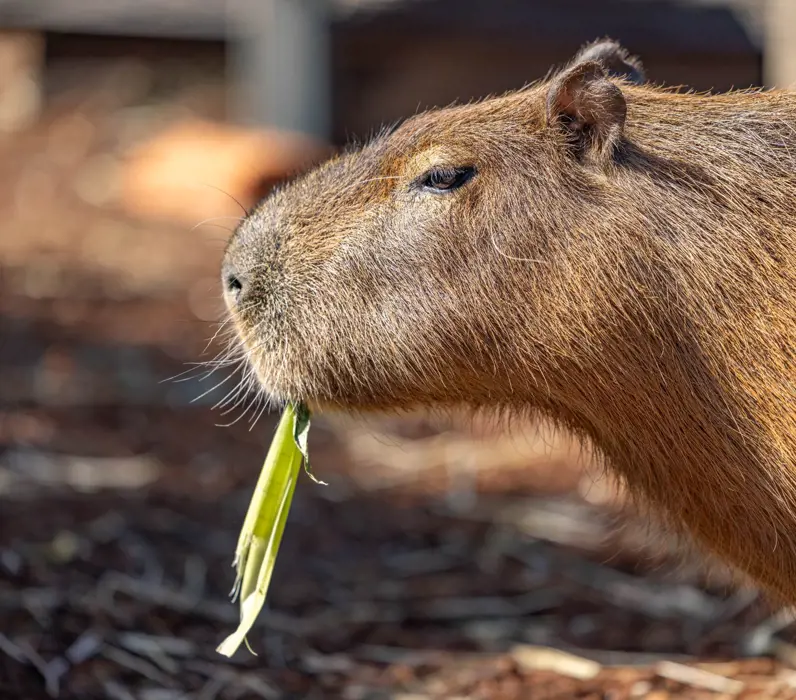
Herbivores
Capybaras graze on grasses and water plants.
Habitat loss
is a major environmental threat caused by industrial expansion, such as agriculture and human sprawl.
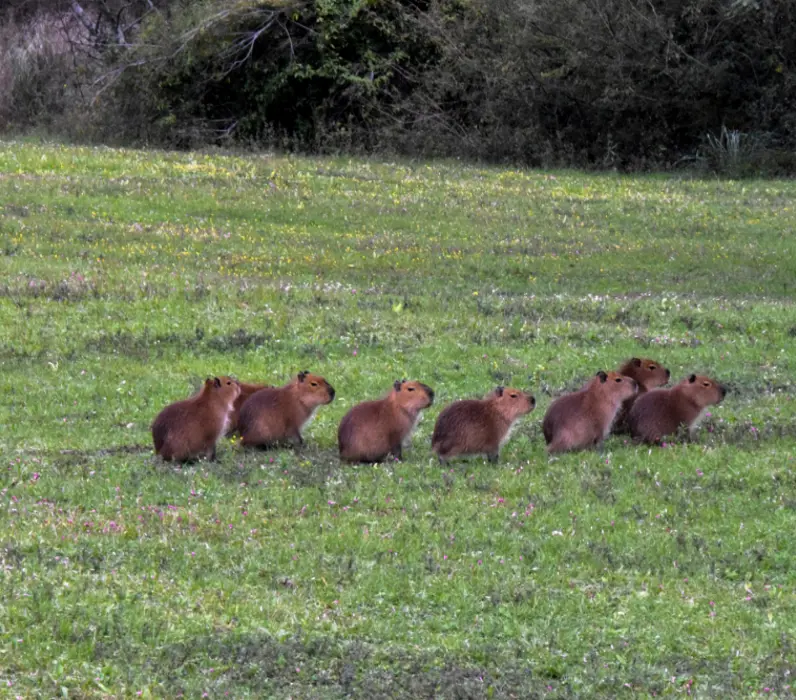
5 pups
Female capybaras can give birth to litters of up to five pups.

70kg
is the maximum weight for a capybara.
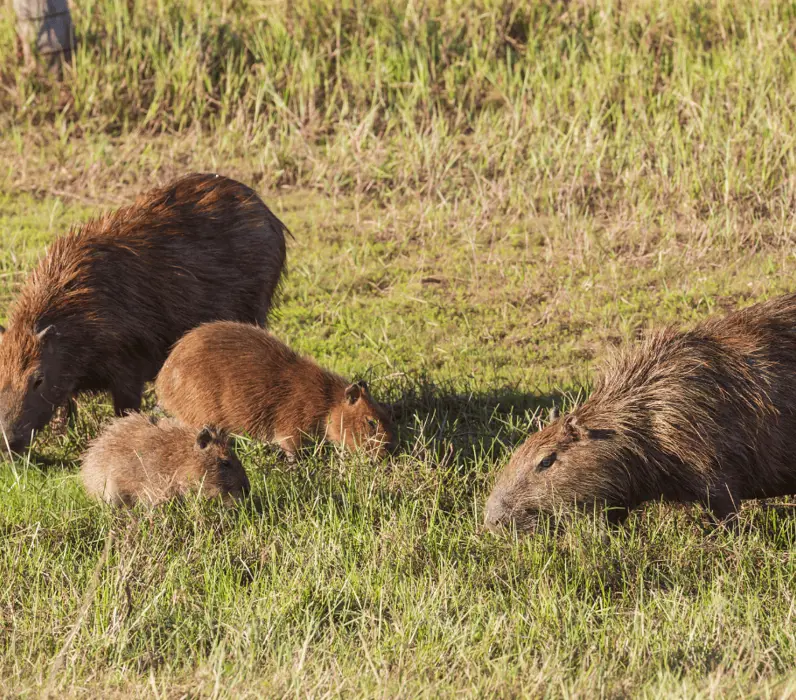
Where are Capybara's found?
In the Southern Central America & Northern South America region.

35km
They're fast! They can run at speeds of up to 35km/hr.
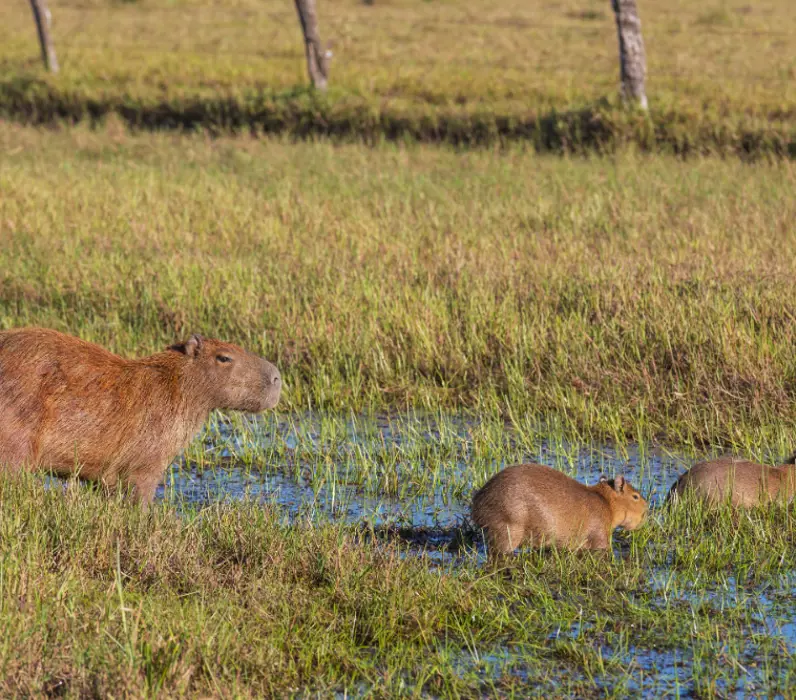
Habitat
Amazon Riverbank, swamps, ponds, and grassy regions bordering the river
65cm
Adult capybaras are generally between 50 cm and 65 cm tall.
Herbivores
Capybaras graze on grasses and water plants.
Habitat loss
is a major environmental threat caused by industrial expansion, such as agriculture and human sprawl.
5 pups
Female capybaras can give birth to litters of up to five pups.
70kg
is the maximum weight for a capybara.
Where are Capybara's found?
In the Southern Central America & Northern South America region.
35km
They're fast! They can run at speeds of up to 35km/hr.
Habitat
Amazon Riverbank, swamps, ponds, and grassy regions bordering the river
Did you know?
We bet you didn't know these facts about Capybaras.

Tap the icons
Scroll across to reveal Capybara facts.
Master of the grasses
The name ‘Capybara’ literally translates to ‘master of the grasses’.
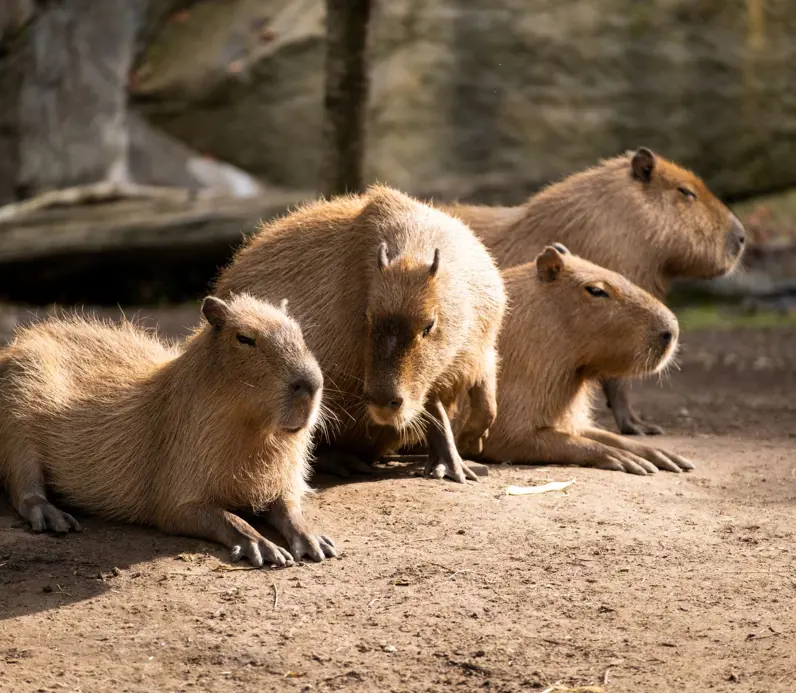
Social rodents
Capybaras are social animals and live in troops of 10-20 in the wild.
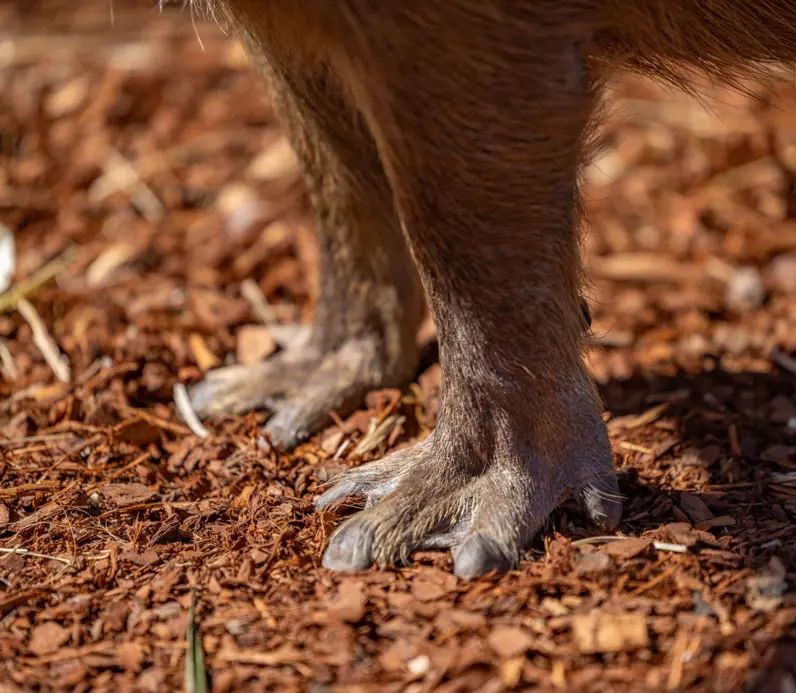
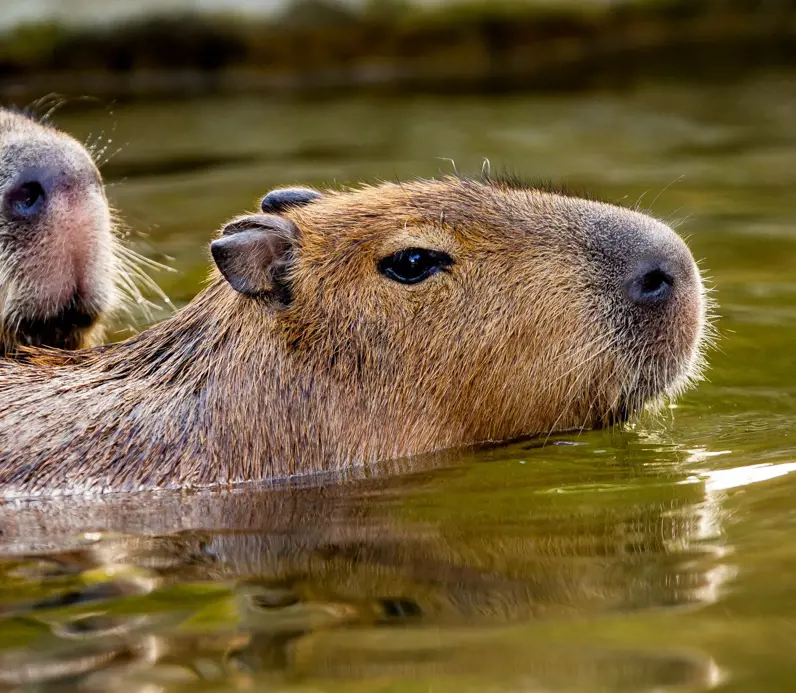
Webbed feet
Capybaras love to swim! They have webbed feet to help them in the water.
Endless chompers
Capybaras teeth never stop growing! They get worn down from eating tough vegetation.
Water hog
Capybara scientific name Hydrochoerus hydrochaeris translates to ‘water hog'.
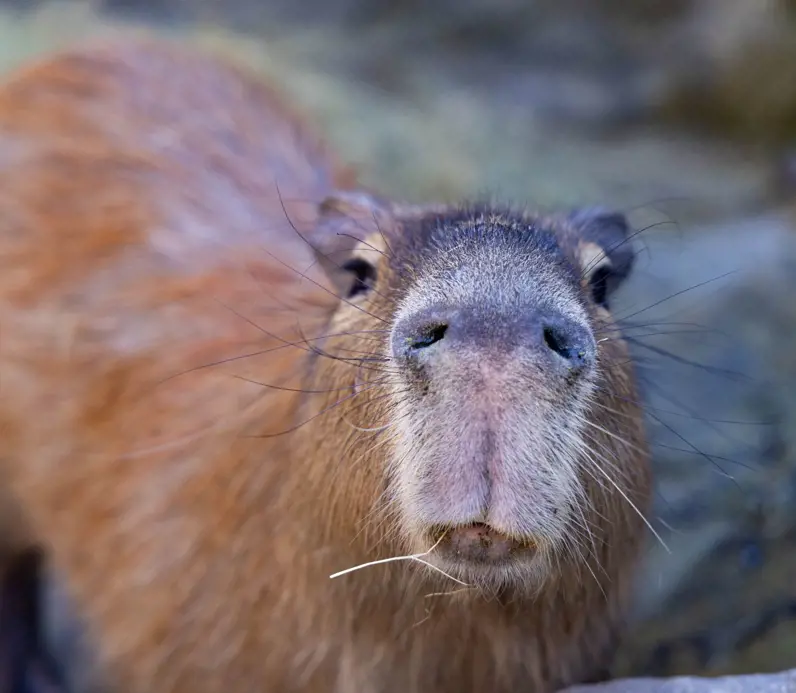
Crepuscular capys
Capybaras are crepuscular meaning they are active at dusk and dawn.
Captivating Capybaras
Species management programs
Taronga contributes to an Australasian Species Management Program and/or international breeding program for this species. This helps maintain healthy and resilient zoo-based animal populations by preserving genetic diversity, supporting animal husbandry knowledge, and ensuring exceptional animal welfare, safeguarding the species for the future.
Capybara Encounter
You can book a Capybara encounter on the morning of your visit at the Zoo shop. But make sure you arrive early, they sell out fast.