Emu
Scientific nameDromaius novaehollandiae
Conservation status (IUCN)
Least Concern
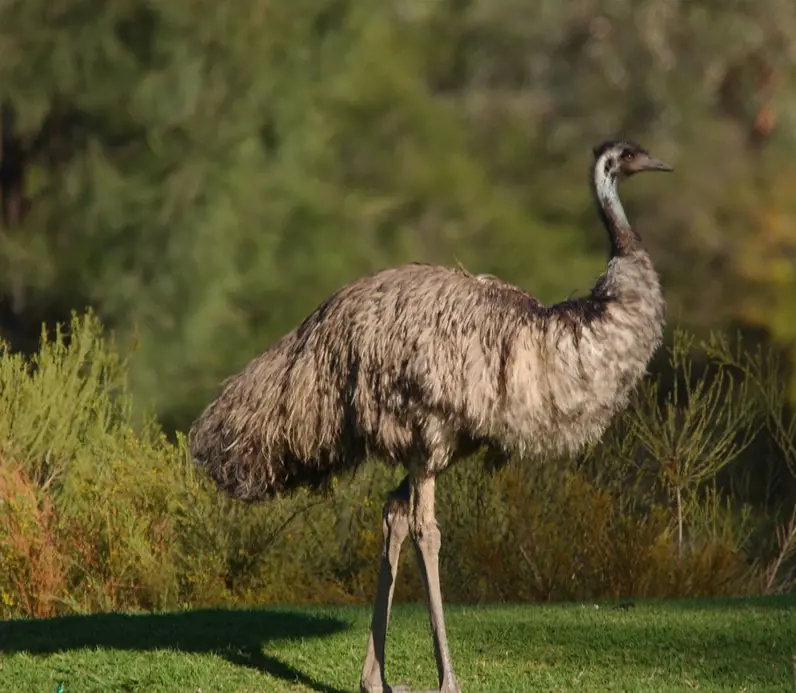
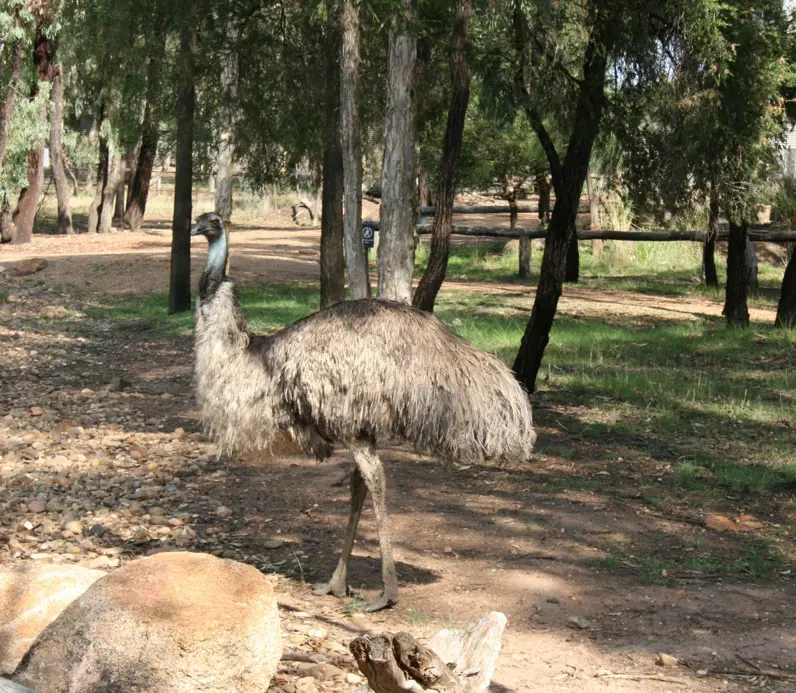
The Emu (mariyang means Emu in Sydney First Language) is Australia’s largest bird – but it can’t actually fly.
Sydney
Dubbo
Visitor tips for Sydney
You can see an Emu in nura diya, or at Backyard to Bush.
Keeper feed in Backyard to Bush
2pm
Fun facts about Emus

14
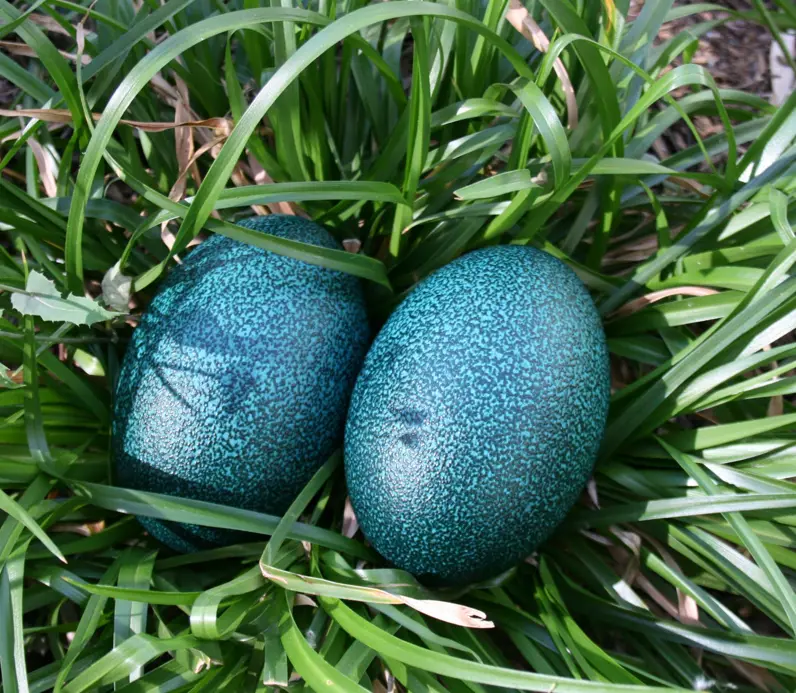
Their clutch size can be from 6-14 large, green eggs - and they're able to lay multiple clutches per year
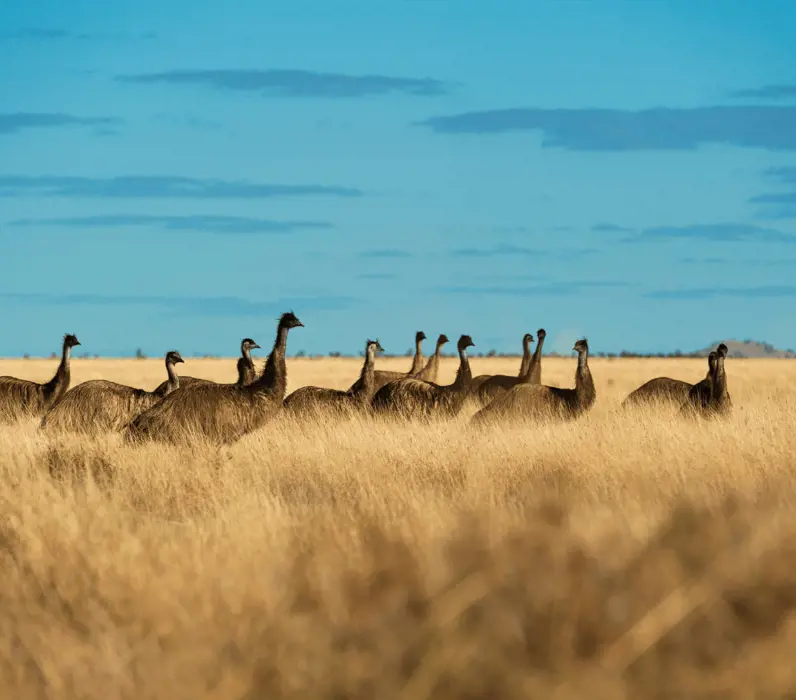
Where they're found
Widespread across most of mainland Australia.

10yrs
They can live 5-10 years in the wild but can be as long as 40 years in zoos.
What they eat
They're omnivores mainly eating seeds, fruits, leaves, and grasses but also insects, small animals, and animal droppings.

190cm
They can be between 150-190cm tall.

55kgs
They weigh between 30-55kgs.
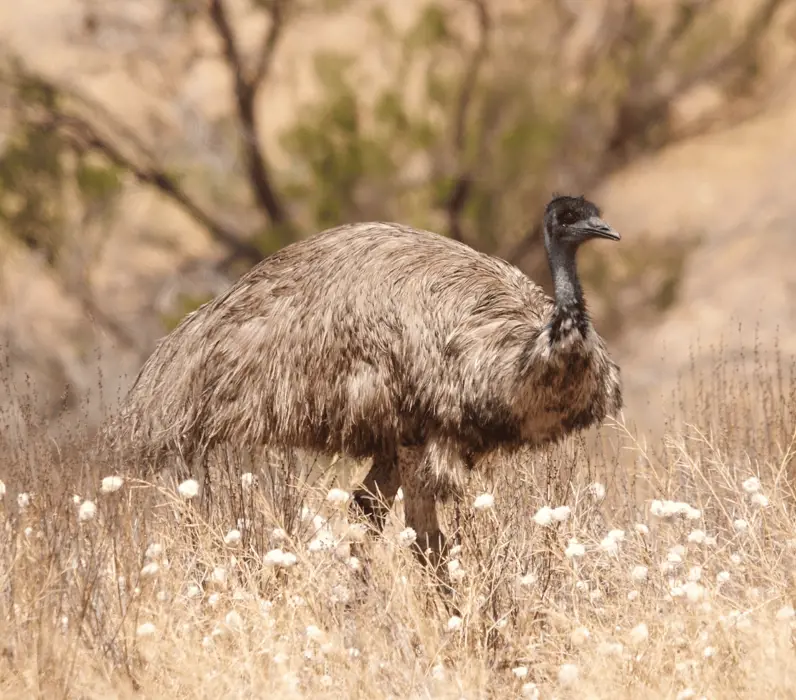
Where they live
Mostly in open plains, savannah, and forests, and more rarely in rainforest, snowfields, and arid regions

Mating
Mature from 2 years old and pair from December to April
Daddy daycare
Males provide all the parental care for emu chicks. They incubate the eggs for eight weeks, and care for young for about 18 months after hatching.
14
Their clutch size can be from 6-14 large, green eggs - and they're able to lay multiple clutches per year
Where they're found
Widespread across most of mainland Australia.
10yrs
They can live 5-10 years in the wild but can be as long as 40 years in zoos.
What they eat
They're omnivores mainly eating seeds, fruits, leaves, and grasses but also insects, small animals, and animal droppings.
190cm
They can be between 150-190cm tall.
55kgs
They weigh between 30-55kgs.
Where they live
Mostly in open plains, savannah, and forests, and more rarely in rainforest, snowfields, and arid regions
Mating
Mature from 2 years old and pair from December to April
Daddy daycare
Males provide all the parental care for emu chicks. They incubate the eggs for eight weeks, and care for young for about 18 months after hatching.
Did you know?

Tap the icons
Scroll across to reveal info on Emus.
Tall & mighty
The emu is Australia’s tallest bird.
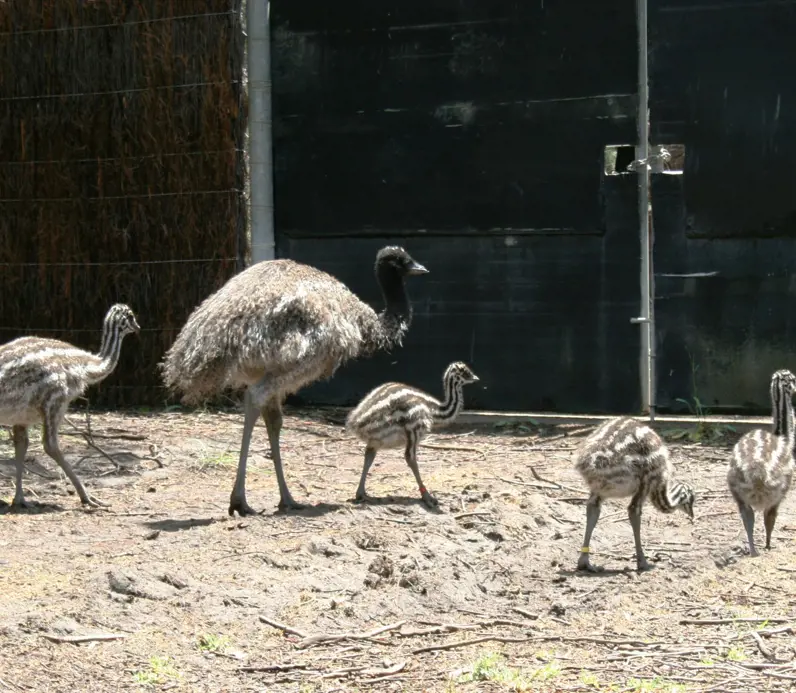
Freshly hatched
Newly hatched chicks are cream-coloured with dark brown and yellow stripes.
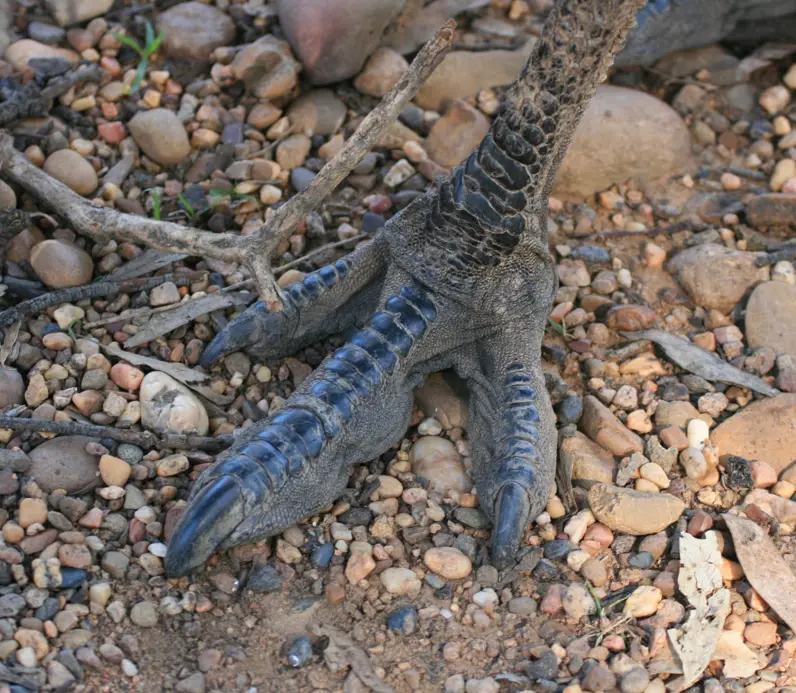
Best toe forward
Emus have 3 long forward-facing toes with pointed talons.
Pebble munchers
Emus eat large pebbles to help their body grind up food.
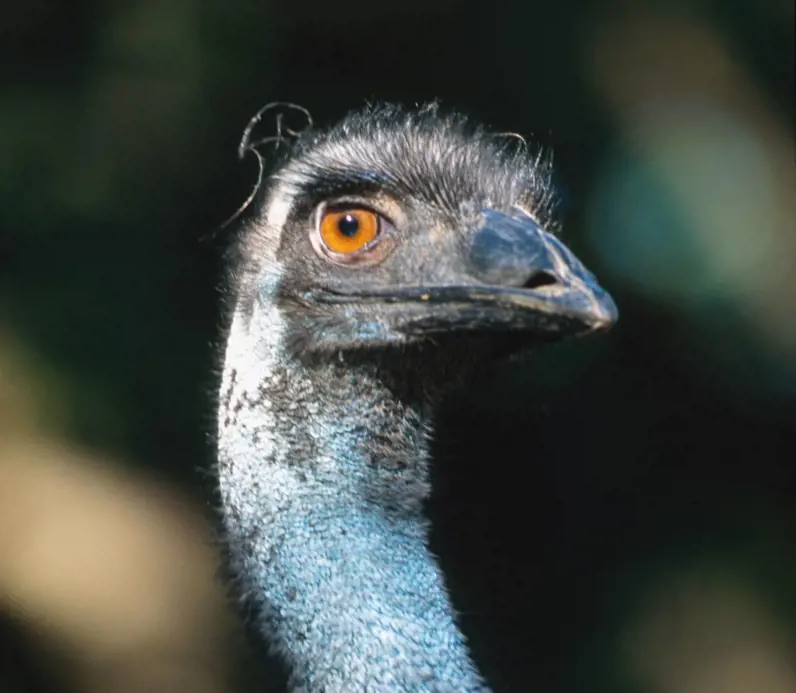
Super spreaders
Emus help spread seeds by pooing them out – some plants rely solely on emus for this.
Eggs of teal
Emu eggs are a beautfiul teal colour.
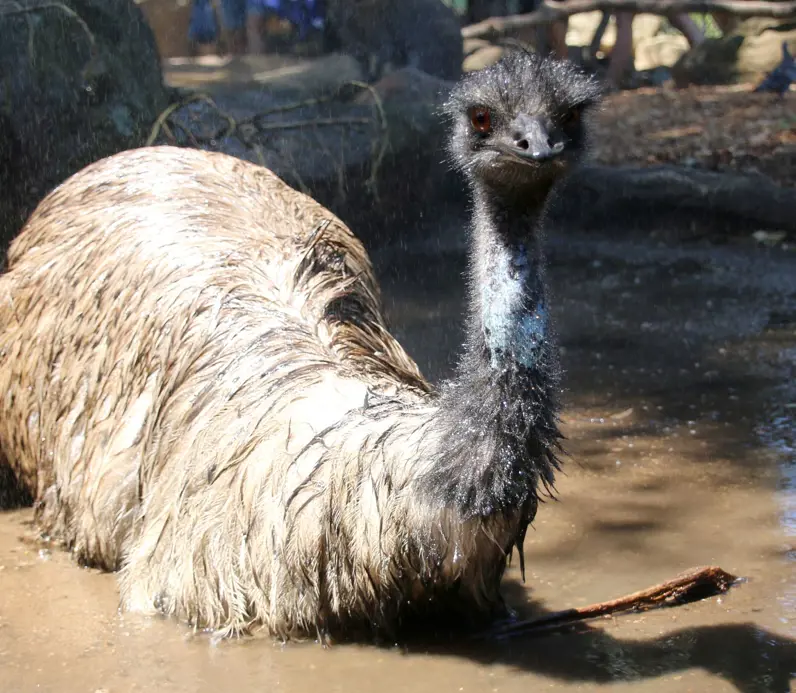
Cool as a cucumber
Emus use water to cool down in the heat.
Rough and feathered
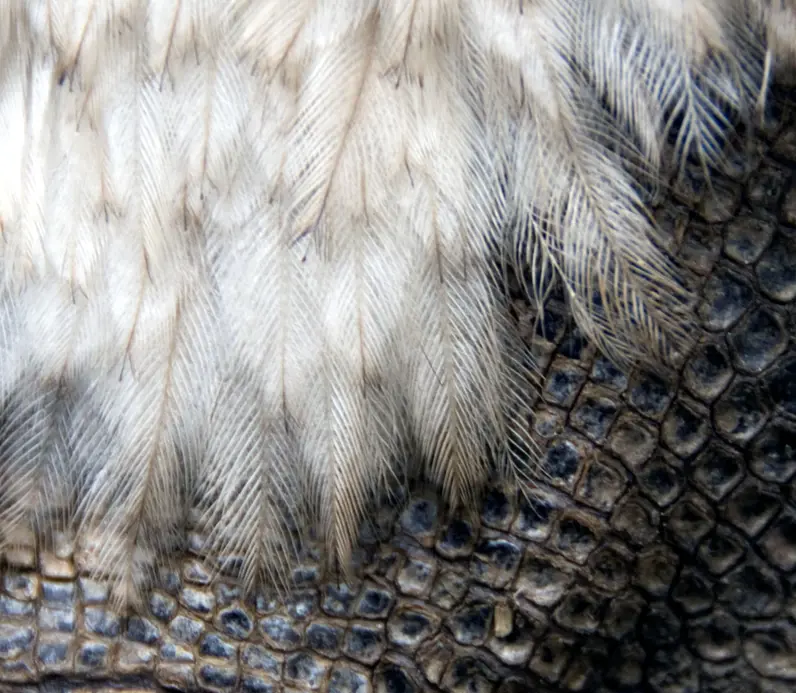
Emus have scaly skin and double-plumed feathers.