



Skip to main

Protecting our environment

Ecosystem resilience is an ecosystem’s ability to resist disturbances such as fires, storms, or pollution and recover to its original state. Taronga’s work extends far beyond habitat restoration, encompassing innovative research programs that strengthen the ability of wildlife and ecosystems to withstand and recover from disturbance.  

Ecosystems under threat

NSW climate projections and human activity are increasing risks to ecosystems and wildlife.

across winter and spring is projected across Australia by 2030, with droughts becoming more severe and lasting longer.
due to ongoing land clearing for agriculture and urbanisation. 
days are projected to increase across all seasons under all emission scenarios.
is driving population declines across many species and is a major global threat to wildlife.
ocean warming than 40 years ago, with 2024 marking record global sea surface temperatures.
across winter and spring is projected across Australia by 2030, with droughts becoming more severe and lasting longer.
due to ongoing land clearing for agriculture and urbanisation. 
days are projected to increase across all seasons under all emission scenarios.
is driving population declines across many species and is a major global threat to wildlife.
ocean warming than 40 years ago, with 2024 marking record global sea surface temperatures.

Ecosystem resilience & restoration programs

Our impact

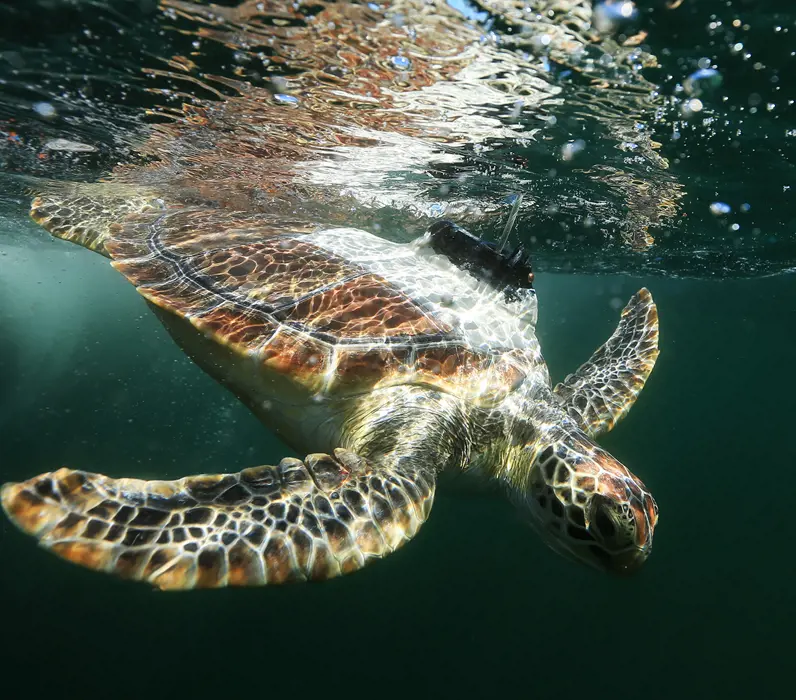
Tracking reveals most turtles remain local, providing strong evidence that NSW is a vital year‑round foraging ground for marine turtles.
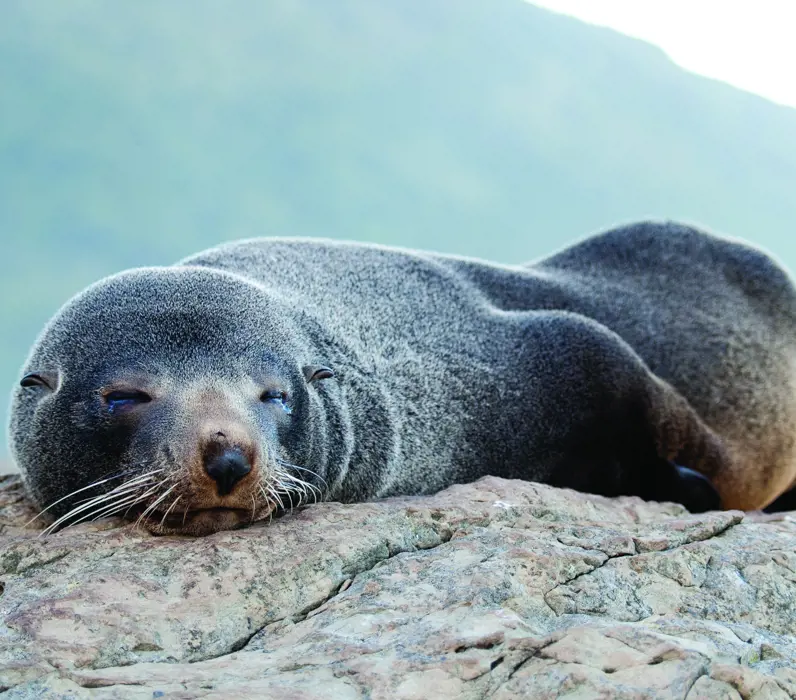
‘Skip’ the seal was released in 2022 with a satellite tracker and journeyed over 5,500 km to Tasmania within 6-weeks – providing vital data on coastal habitats for fur seals. 
Ongoing consultation and the integration of research into Mid Coast Council’s dingo management procedures have reduced human–dingo conflicts and reliance on lethal control.
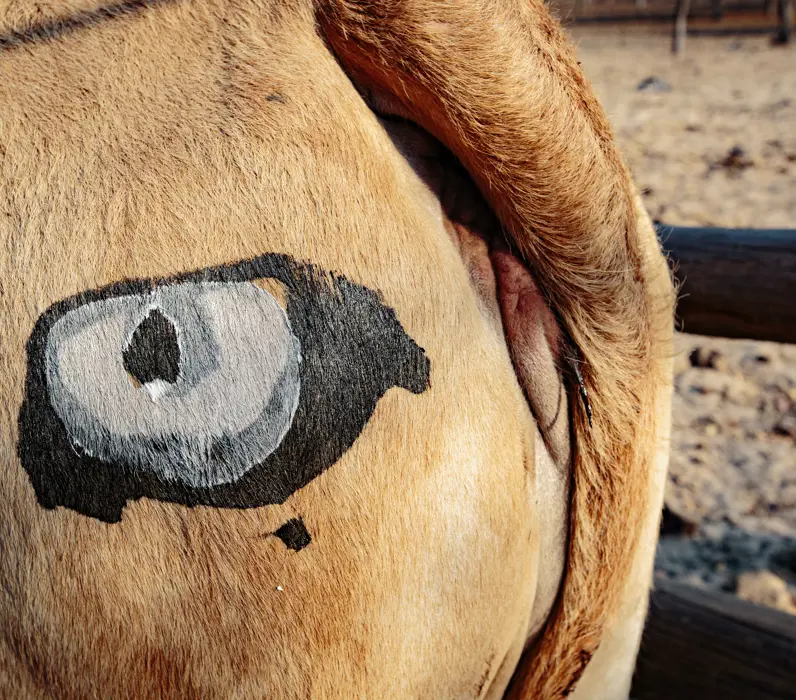
The technique proved 100% effective during the five‑month study, with no painted cows killed, while four unpainted cows from the same herd were lost to lions.
Tracking reveals most turtles remain local, providing strong evidence that NSW is a vital year‑round foraging ground for marine turtles.
‘Skip’ the seal was released in 2022 with a satellite tracker and journeyed over 5,500 km to Tasmania within 6-weeks – providing vital data on coastal habitats for fur seals. 
Ongoing consultation and the integration of research into Mid Coast Council’s dingo management procedures have reduced human–dingo conflicts and reliance on lethal control.
The technique proved 100% effective during the five‑month study, with no painted cows killed, while four unpainted cows from the same herd were lost to lions.

Habitat Positive

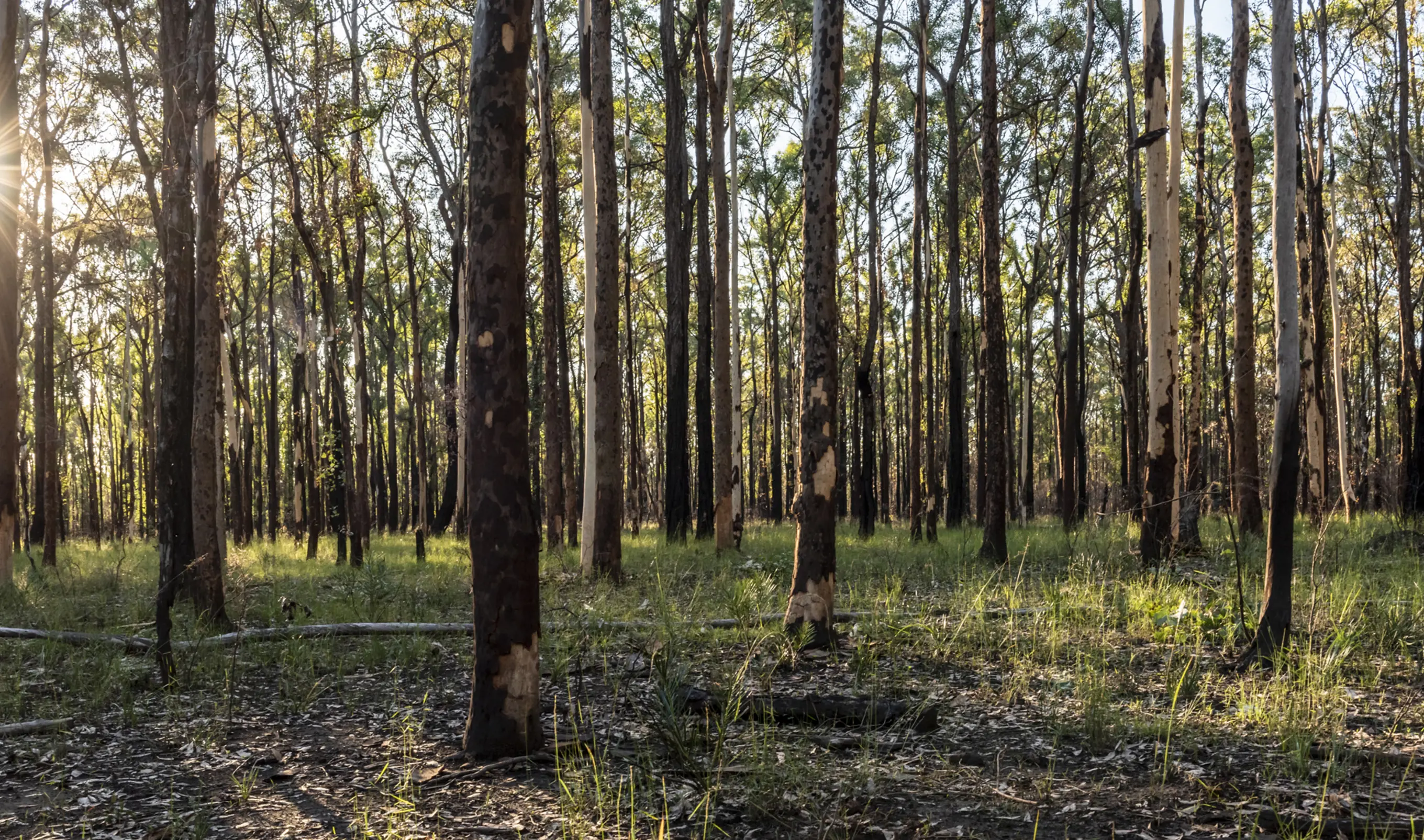
Taronga has purchased its first 3,050 hectare site on the Northwest Slopes of NSW – it’s 100 times larger than Taronga Zoo Sydney. 

These new insights into where and how marine turtles are using NSW habitats are vital. These threatened species act as sentinels, revealing how our marine ecosystems are responding to sea surface temperatures that are rising 2-3 times faster than the global average.
With marine turtles gradually extending their distribution to southern NSW, identifying biologically important areas helps us protect their habitats more effectively and reduce the frequency of stranding events.

Dr Jo Day

Conservation Biologist

Taronga Conservation Society Australia