
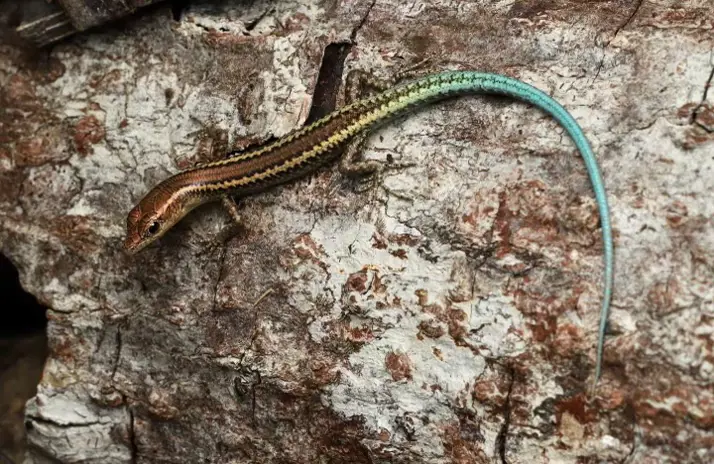
Christmas Island reptile health
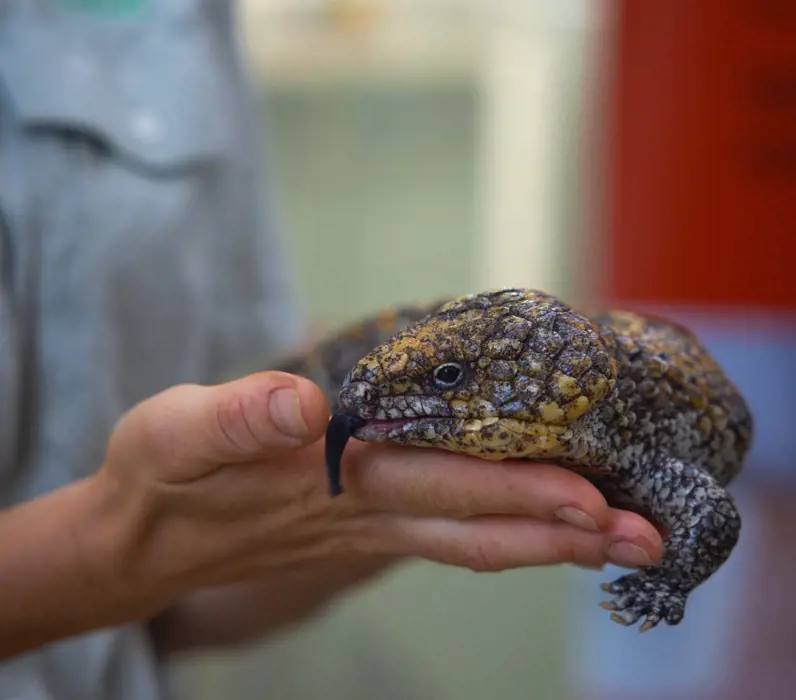
The Registry team first detected an unusual Enterococcus species in a critically endangered Blue-tailed Skink in 2014, a serious threat to the remaining threatened and endemic reptiles on Christmas Island.
Combining science and technology, Taronga’s scientists are monitoring and investigating the health of wildlife populations to protect biodiversity and biosecurity.
Combining science and technology, Taronga’s scientists are monitoring and investigating the health of wildlife populations to protect biodiversity and biosecurity.


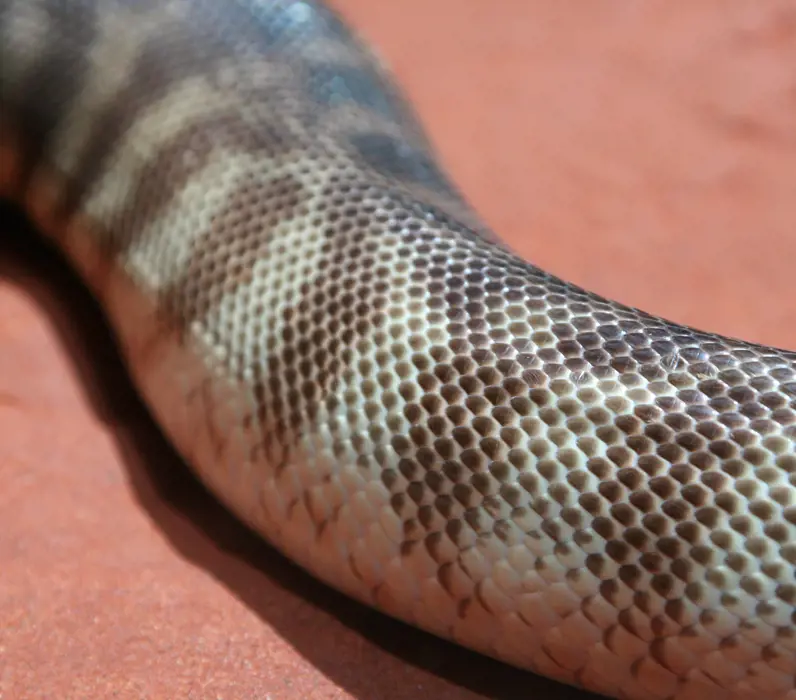

The Registry team first detected an unusual Enterococcus species in a critically endangered Blue-tailed Skink in 2014, a serious threat to the remaining threatened and endemic reptiles on Christmas Island.
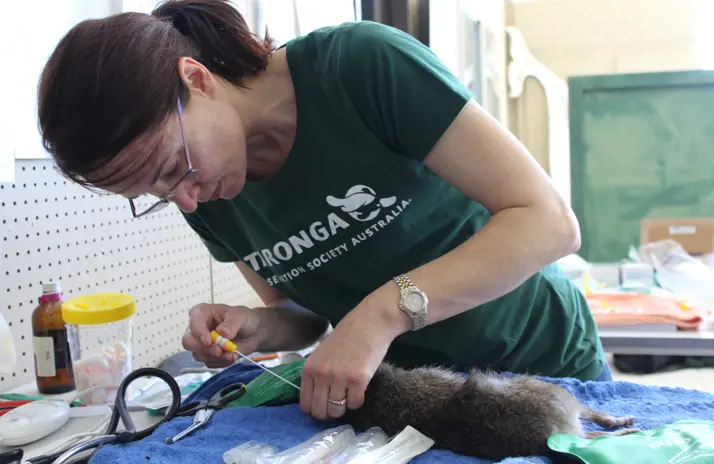
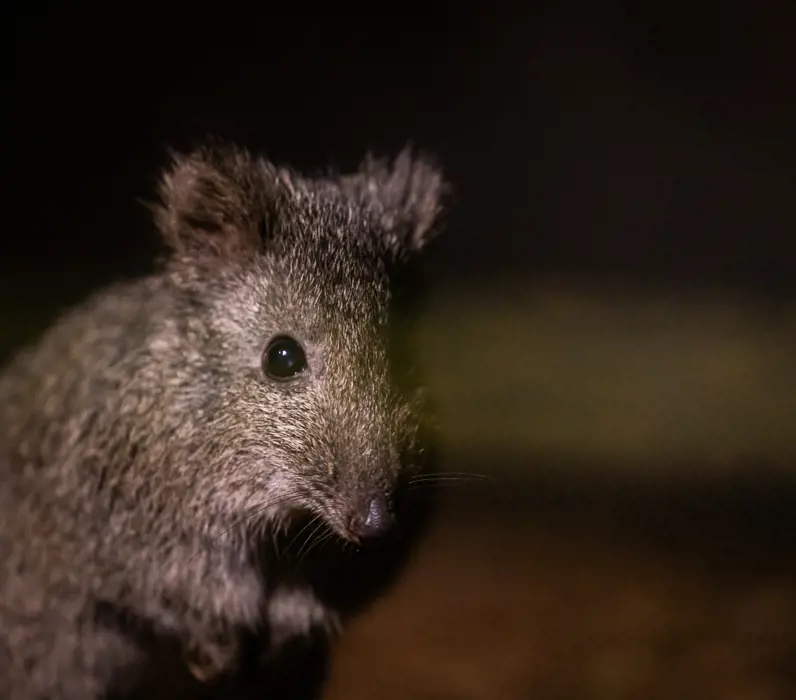
Taronga’s scientists are helping re-establish Long-nosed Potoroos, Southern Brown Bandicoots and Eastern Quolls in Booderee National Park through health assessments, translocations and post-release monitoring. Early results are showing that animals are surviving, settling in and producing young.
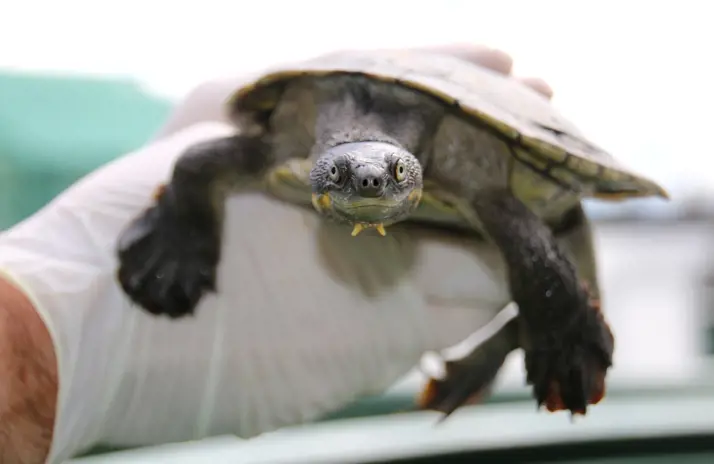
In 2015, a previously unknown virus swept through the 55 km range of the Bellinger River Turtle, killing an estimated 90% of its 4,000 individuals in just six weeks. Scientists from Taronga’s Australian Registry of Wildlife Health, working with colleagues at NSW Department of Primary Industries, identified the new virus and have since been developing methods to control the disease.
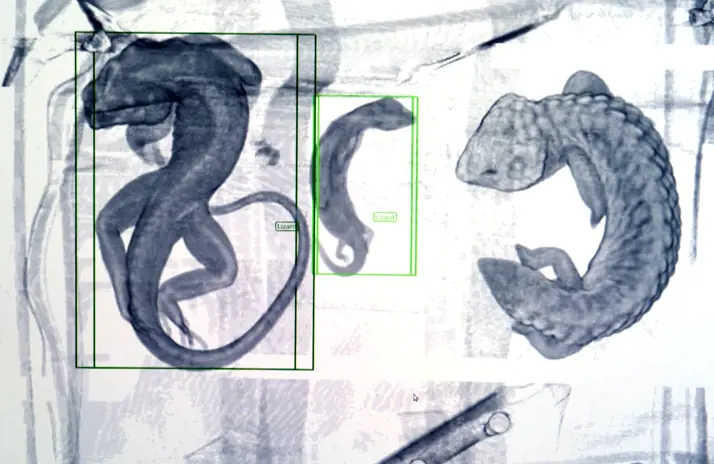
Working with border control, Taronga's scientists and partners have created tools to combat illegal wildlife trade and forensics – applying science to protect species from exploitation and trafficking.
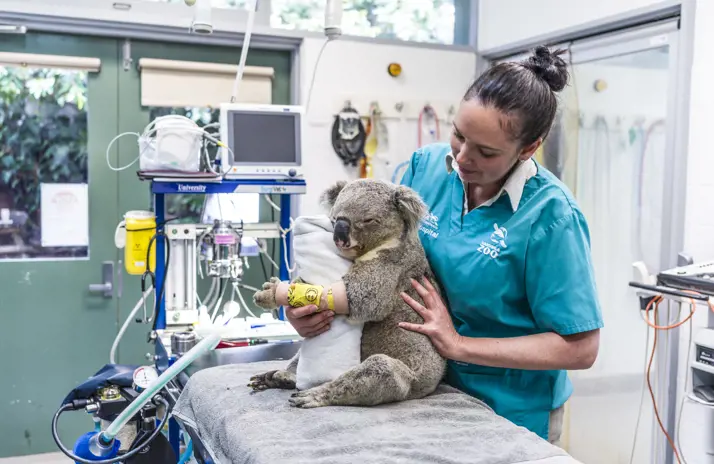
Koalas suffer painful conditions from burns and other injuries, as seen during the Black Summer fires. In collaboration with the University of Sydney, we investigated how koalas absorb, distribute and metabolise pain medications, specifically paracetamol and tramadol.
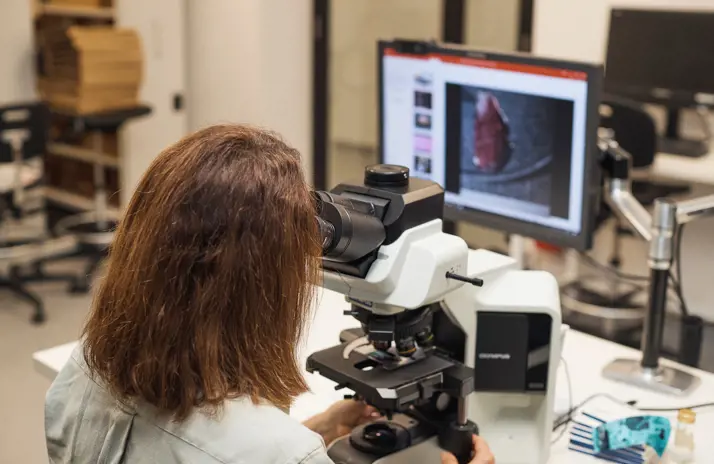
For the last 40 years, Taronga's Australian Registry of Wildlife Health have diagnosed responded to and monitored emerging wildlife diseases and threats to Australia’s native species.
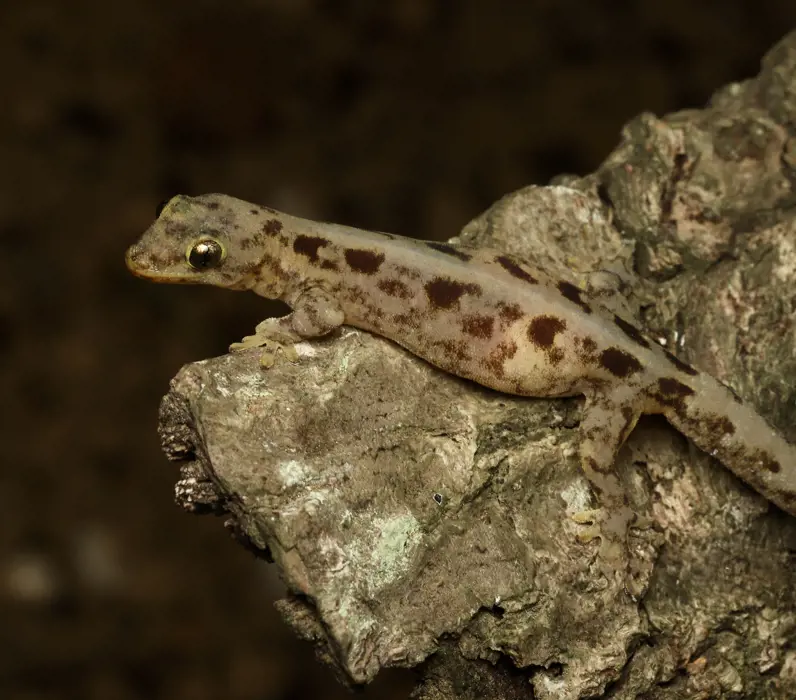
The Registry currently holds over 25,100 individual cases and plays a critical role in identifying and responding to disease outbreaks affecting native species.
Taronga has been trialling two novel AI-technologies with enforcement agencies, with the tech tools trialled in a world first end-to-end ‘Detect and Trace’ pathway with Federal agencies and real-world seizures. This trial involved over 100 animals being saved from the illegal wildlife trade and provided new intelligence to authorities.
Dr Phoebe Meagher
Wildlife Conservation Officer
Taronga Conservation Society Australia
Sept 13, 2019
The critically endangered Christmas Island blue-tailed skink was released back into the wild following a hugely successful decade-long captive breeding program.

Explore the Taronga newsroom for media releases, updates and stories covering wildlife care, conservation, research and events across both Zoos.
