Snails on a plane
A species re-discovered just six years ago and once feared lost forever has reached a major milestone in its recovery, with the final release of 1,000 critically endangered Campbell's keeled glass snails (Advena campbellii) onto Norfolk Island.
by Media Release
A species re-discovered just six years ago and once feared lost forever has reached a major milestone in its recovery, with the final release of 1,000 critically endangered Campbell's keeled glass snails (Advena campbellii) onto Norfolk Island.
The release marks the culmination of a groundbreaking conservation breeding and reintroduction program between Taronga Conservation Society Australia, the Australian Museum, Parks Australia, Western Sydney University and the Norfolk Island Regional Council.


The Campbell's keeled glass snail had not been seen for over 30-years and was presumed extinct in the wild until it was rediscovered by Norfolk Islander Mark Scott in 2020, when fewer than 50 individuals were found surviving within the hidden crevices of Norfolk Island National Park. Recognising the species was at imminent risk of extinction, Australia's first conservation breeding program for the species was established at Taronga Zoo Sydney in 2021.
Just five years after the species was rediscovered, the population has grown from just 46 founder snails to hundreds of individuals, making two significant releases back into the wild possible. Following the successful release of more than 300 snails last year, a further 1,000 snails have now been translocated from Taronga Zoo Sydney's behind-the-scenes conservation breeding facility and released into the same site within Norfolk Island National Park. This final planned release marks a major milestone for the recovery program, bolstering the wild population established through the first translocation.


Ongoing monitoring by the Parks Australia team at Norfolk Island National Park has recorded wild-born juveniles and adult snails at the release site, providing strong evidence that the species is not only surviving but also breeding in its natural habitat and taking important slow-crawling milestones towards establishing a self-sustaining population.
“Over the past five years, we’ve uncovered invaluable insights into how these critically endangered snails feed, breathe and breed, including capturing on film the remarkable reproductive adaptation where they give birth to live young through an opening in their neck,” said Tarryn Williams Clow, Senior Keeper at Taronga Zoo Sydney.
“Those learnings have been critical to growing the population from just 46 founder snails to a point where we can complete this final release of 1,000 critically endangered Campbell’s keeled glass snails into Norfolk Island National Park. Reaching this milestone just five years after the species was rediscovered is an extraordinary conservation achievement.”


This final milestone represents a remarkable turnaround for one of Australia's rarest species. From just 46 snails to more than 1,300 individuals returned to the wild, this snail species is proving that even the smallest and possibly slowest creatures can make a big comeback.
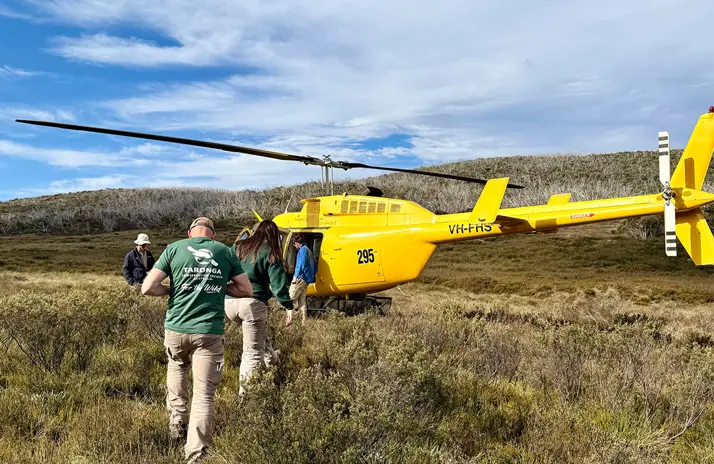
The snails were carefully transported from Taronga Zoo Sydney to Norfolk Island using specialised transport techniques developed by Taronga's team. Following arrival, the snails were released into protected habitat where National Park staff have undertaken extensive site preparation, including habitat management and predator control.
"The national park protects the only known habitat for this remarkable species, making its recovery critically important," said Mel Wilson, Natural Resources Program Manager at Norfolk Island National Park.
"Seeing these snails return to the forest is incredibly rewarding. The encouraging breeding and survival signs from the first release give us confidence that we're helping establish a self-sustaining population that can contribute to the health and resilience of Norfolk Island's unique ecosystems."
Researchers and students will continue to monitor the released snails to track their survival, reproduction and population growth. Data collected through ongoing surveys will help inform future threatened invertebrate recovery programs across Australia.


Dr Isabel Hyman, Research Scientist at the Australian Museum, said the success of the program demonstrates the value of coordinated conservation action.
"The re-discovery of the Campbell's keeled glass snail in 2020 by a member of the island community was remarkable in itself. To see the species progress from the discovery of fewer than 50 individuals in the wild to a successful recovery program and now large-scale reintroduction in such a short period of time is incredibly exciting."
"This final milestone represents a remarkable turnaround for one of Australia's rarest species and the project is an outstanding example of multiple organisations bringing together their expertise to prevent the extinction of a species," Dr Hyman said.
While the final release of these snails marks the completion of this conservation breeding program, the collaborative partners are already looking to the next endemic Norfolk Island species that needs a helping hand.
Norfolk Island is a hot spot for land snails, with 61 native species, many of which are endemic, and five of which are critically endangered.
Like many island snails worldwide, snails face threats from habitat loss, invasive predators and environmental change. Snails play a critical role in the ecosystem, helping to break down organic matter, recycle nutrients and support healthy forest ecosystems.

Media Relations
Taronga Zoo Sydney
Taronga Conservation Society Australia is a leader in the fields of conservation, research, animal welfare, wildlife rehabilitation and environmental education.
Taronga is a not-for-profit organisation with an absolute commitment to conservation and securing a shared future for wildlife and people.
Say hi