Regent Honeyeaters
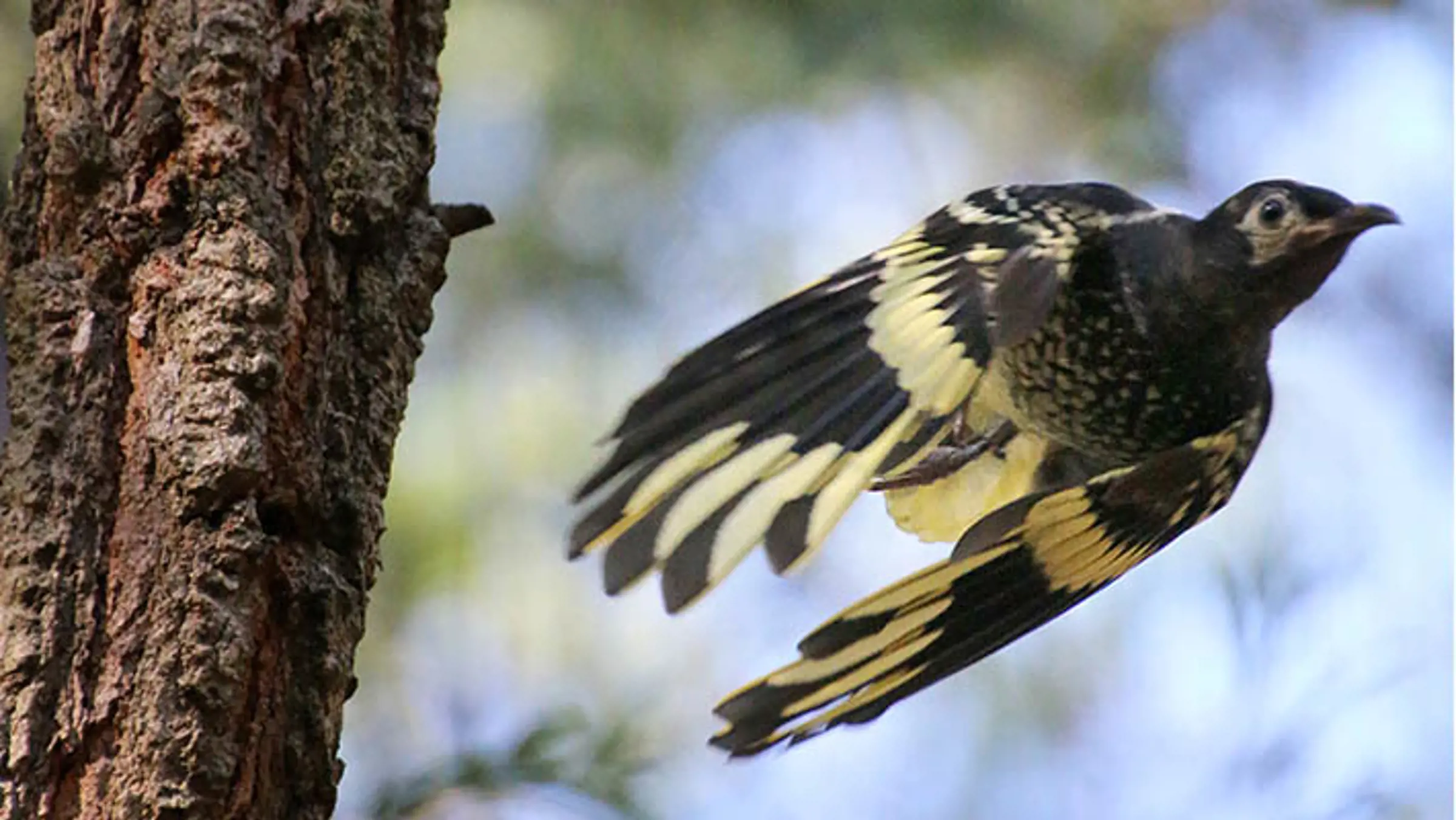
It's estimated that there are only between 250 and 350 critically endangered regent honeyeaters left in the wild.
Posted on 26 Mar 2025 by Media Post
It's estimated that there are only between 250 and 350 critically endangered regent honeyeaters left in the wild.
Their habitat was drastically reduced by historical clearing for roads and agriculture, and the remaining habitat is highly fragmented and surrounded by agricultural lands. The decline of the Regent Honeyeater has had a huge impact on the greater ecosystem because these birds are major contributors to the pollination of native plant species such as our iconic eucalyptus trees and they also assist with providing important food and habitat for many other native animals. The plight of this species in the wild has drawn attention to the importance of protecting our beautiful natural forest landscapes.
Defined as a 'flagship species' for conservation in the threatened box-ironbark forests of Victoria and NSW, these stunning birds are part of the NSW Government Save our Species program which aims to maintain a viable population and enhance the condition of over 1,000 precious native animals, plants and ecological communities.
Conditions imposed by habitat loss, climate change, bushfires, extreme heat and drought has led to Taronga take lead on (breed-to-release) programs where Taronga has contributed to more than 50,000 native species back into the wild. For the Regent Honeyeater breed-for-release program, Taronga has contributed over 400 regents being released to the wild since 2000.
Experts widely agree that conservation breeding programs (also known as breed-to-release programs) will be essential to the long-term survival of many of the species impacted by the fires.
Taronga is a leader in delivering successful breed-to-release programs, with the essential combination of skills across science, genetics, behavioural management and animal husbandry required to breed small populations that can thrive when released into the wild.
Every program we undertake requires infrastructure, expertise, keeper and veterinary time and of course the support of community. With partners like La Trobe Financial, we can spread further awareness and education around our recovery programs, and deliver further support to the recovery program team onsite at Taronga Zoo, Sydney and Taronga Western Plains, Dubbo.
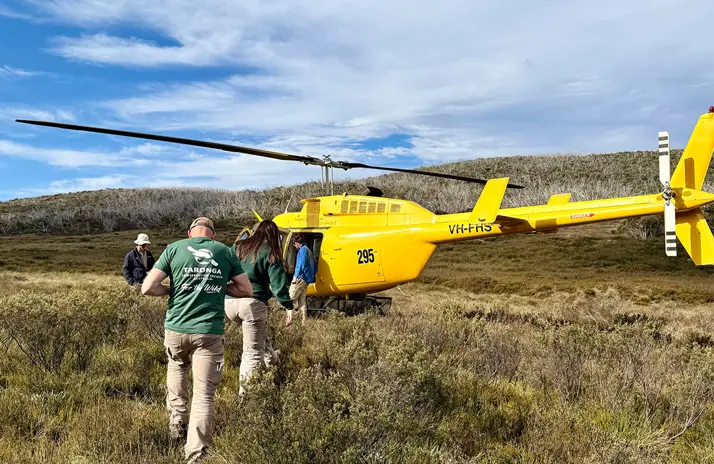
In 2024, Taronga released 49 zoo-bred birds into the Wonnarua Country, and through monitoring and tracking, zoo-bred and wild pairings have been observed from previous releases in the Capertee Valley, with a sighted hatchlings from these couplings.
Taronga’s contribution to the regent honeyeater breeding program is supported by Taronga’s Primary Sponsor, La Trobe Financial, and is a conservation partnership between the NSW’s Government’s Saving our Species program, Taronga Conservation Society Australia, and Birdlife Australia.