Skip to main

Need to know

  • When

    9am - 4pm daily
  • Platypus HQ Keeper Talk

    2.45pm on weekends and daily during school holidays
  • Cost

    Free with your Zoo entry

Platypus Conservation Centre

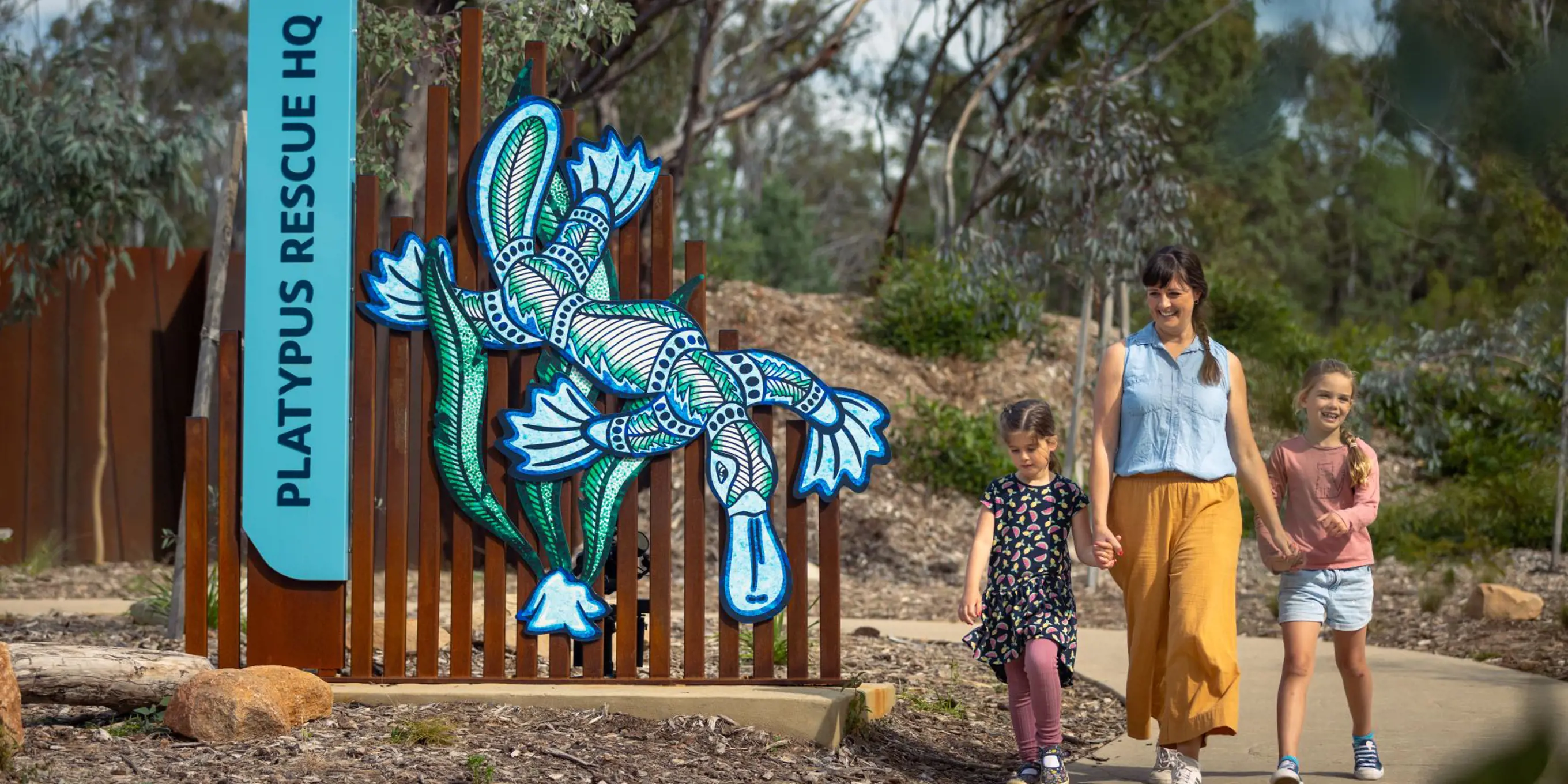
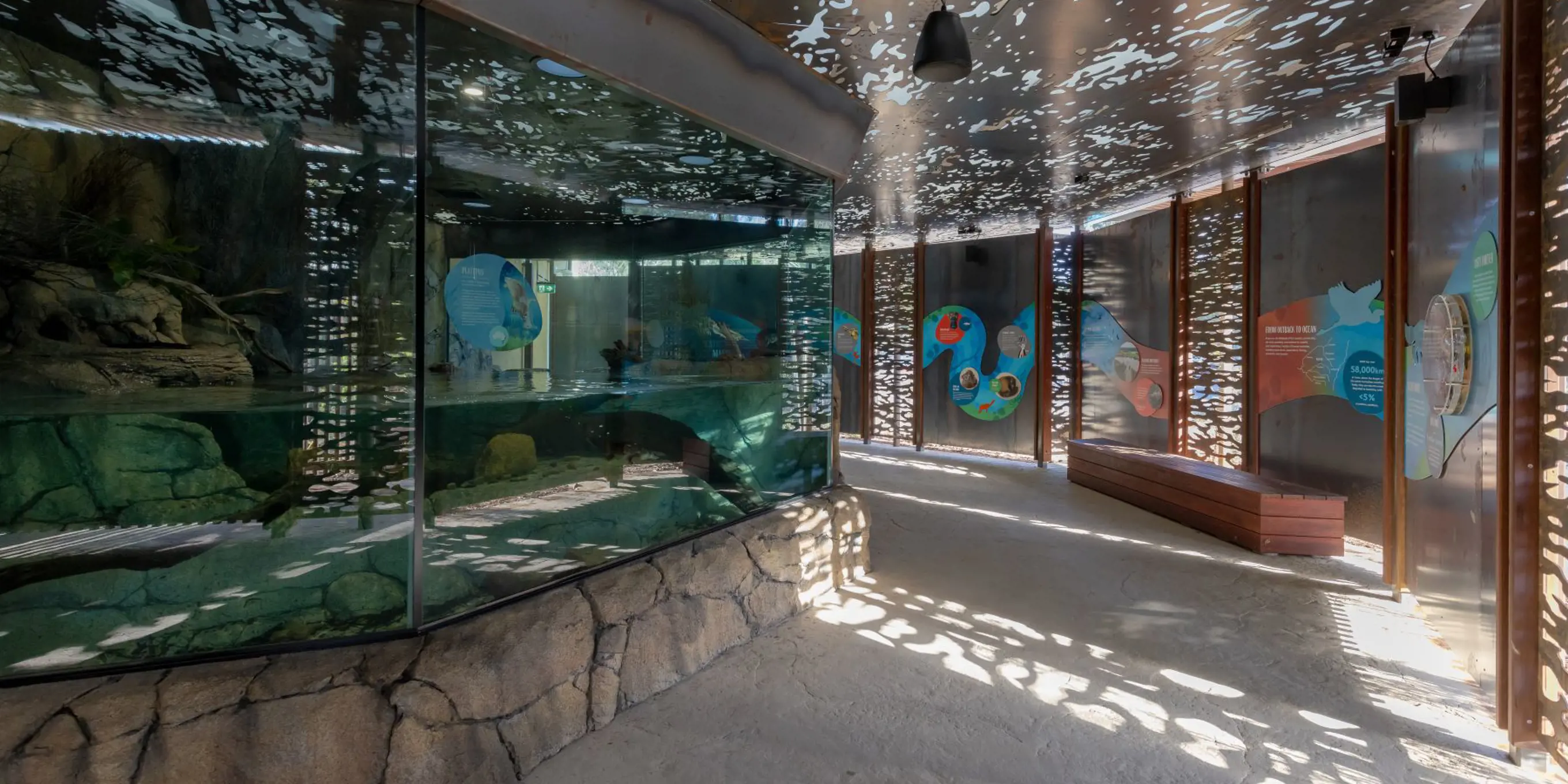
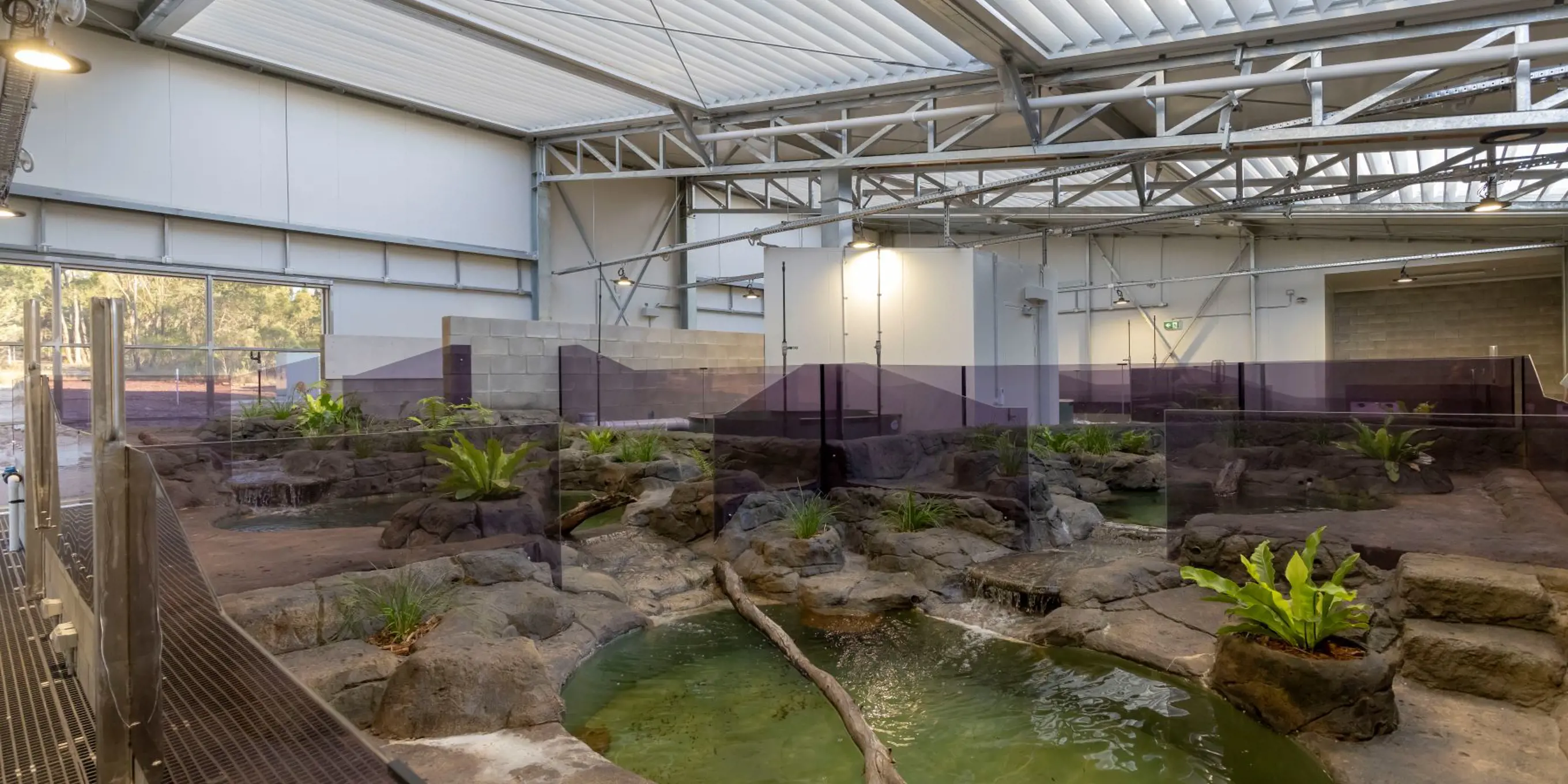
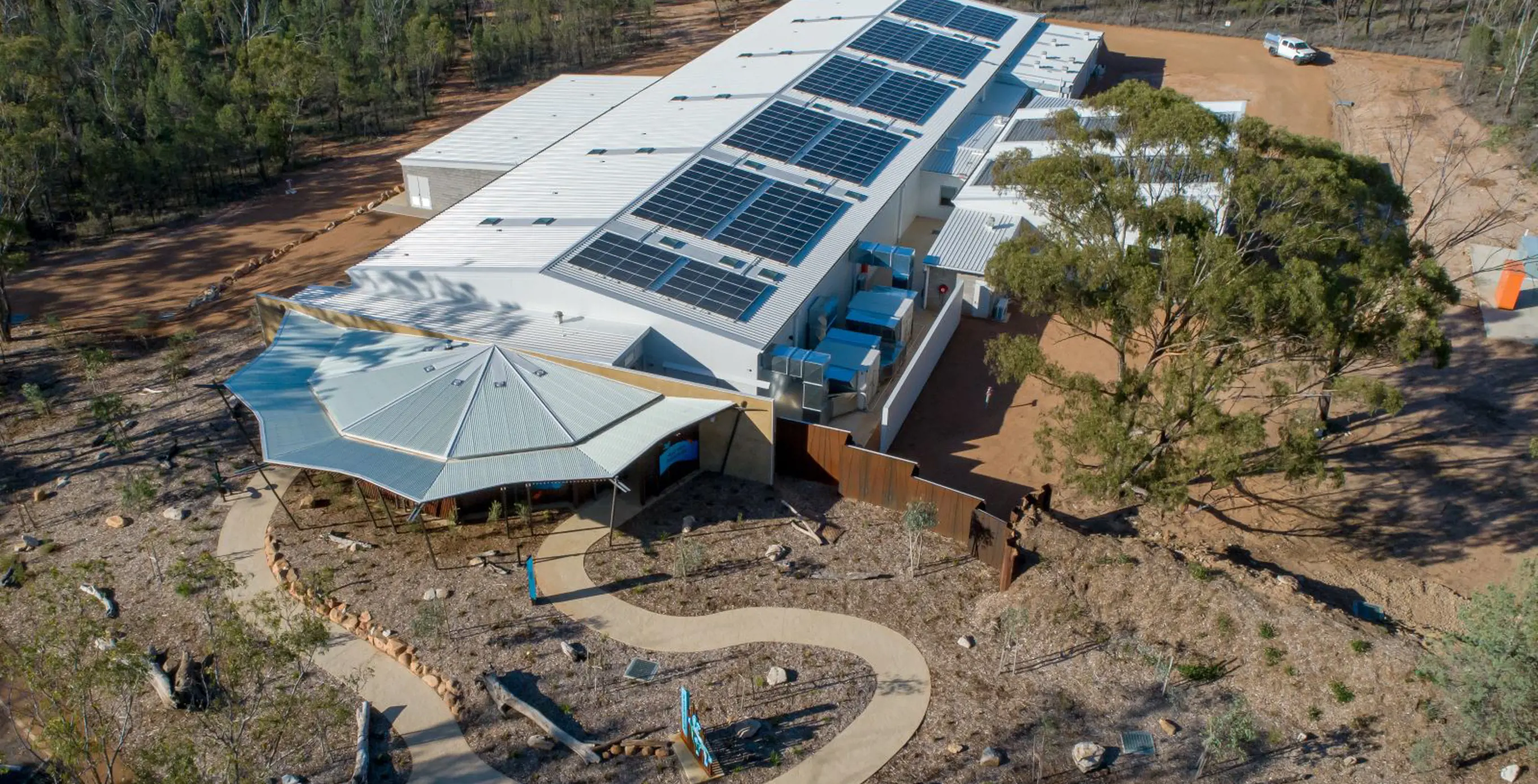
Platypus Rescue HQ is the largest purpose-built platypus conservation centre in the world. Opened in 2024, the centre combines research, rescue and rehabilitation facilities with a specialised pre-release habitat to help recovered platypus return to the wild.

For the first time in Dubbo, guests can see the iconic Platypus and learn how Taronga is working to protect this iconic Australian animal.

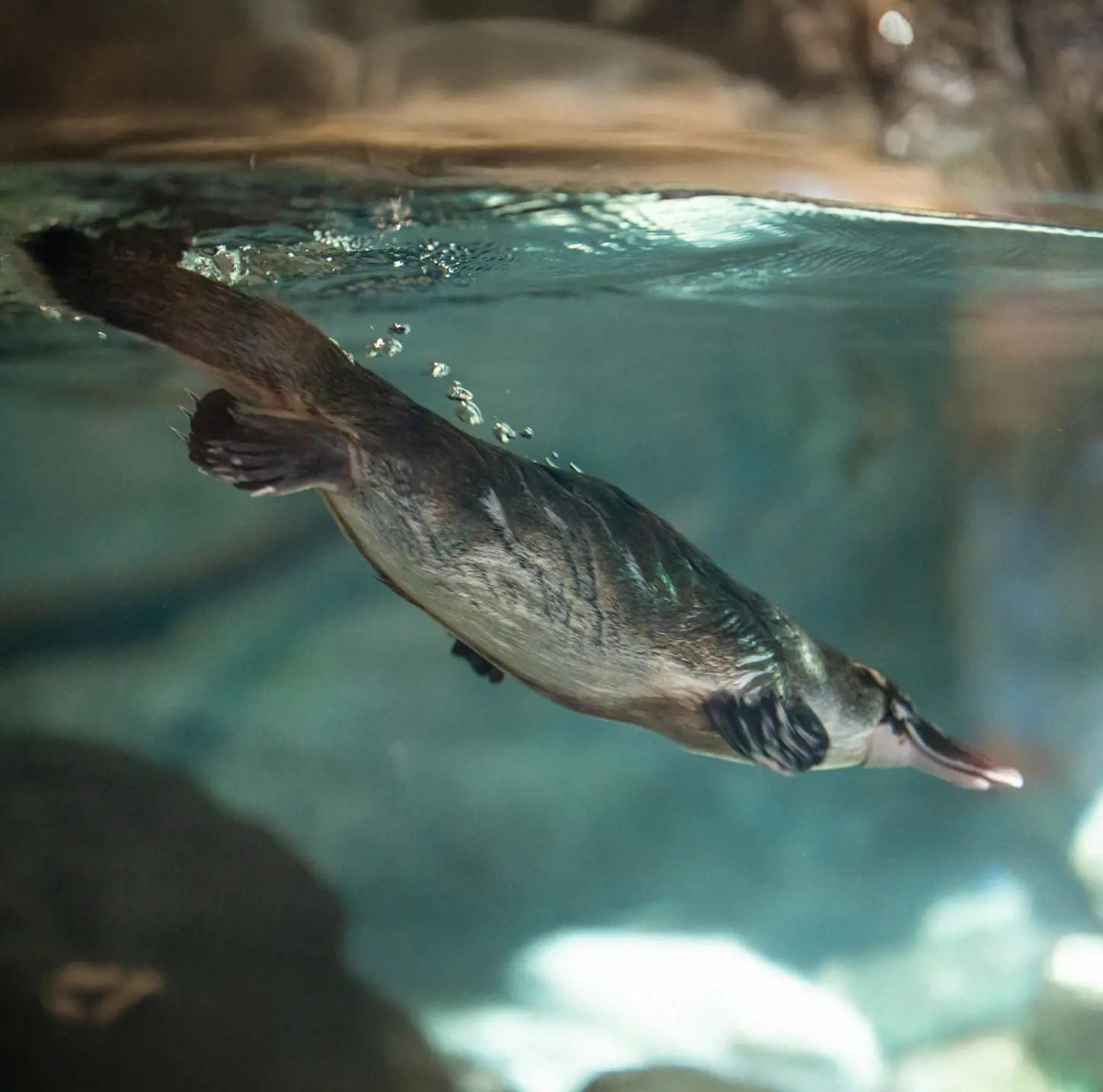
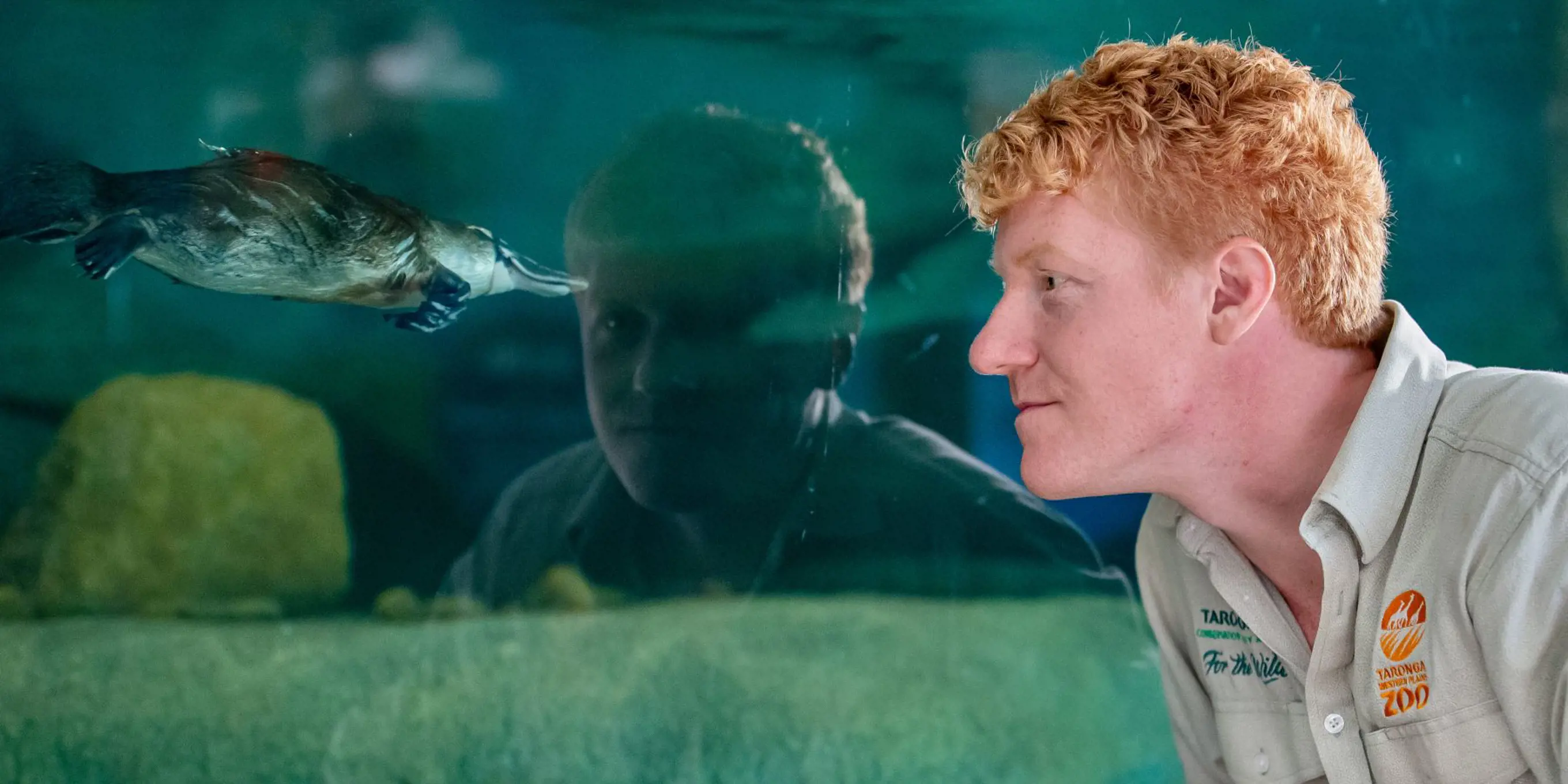
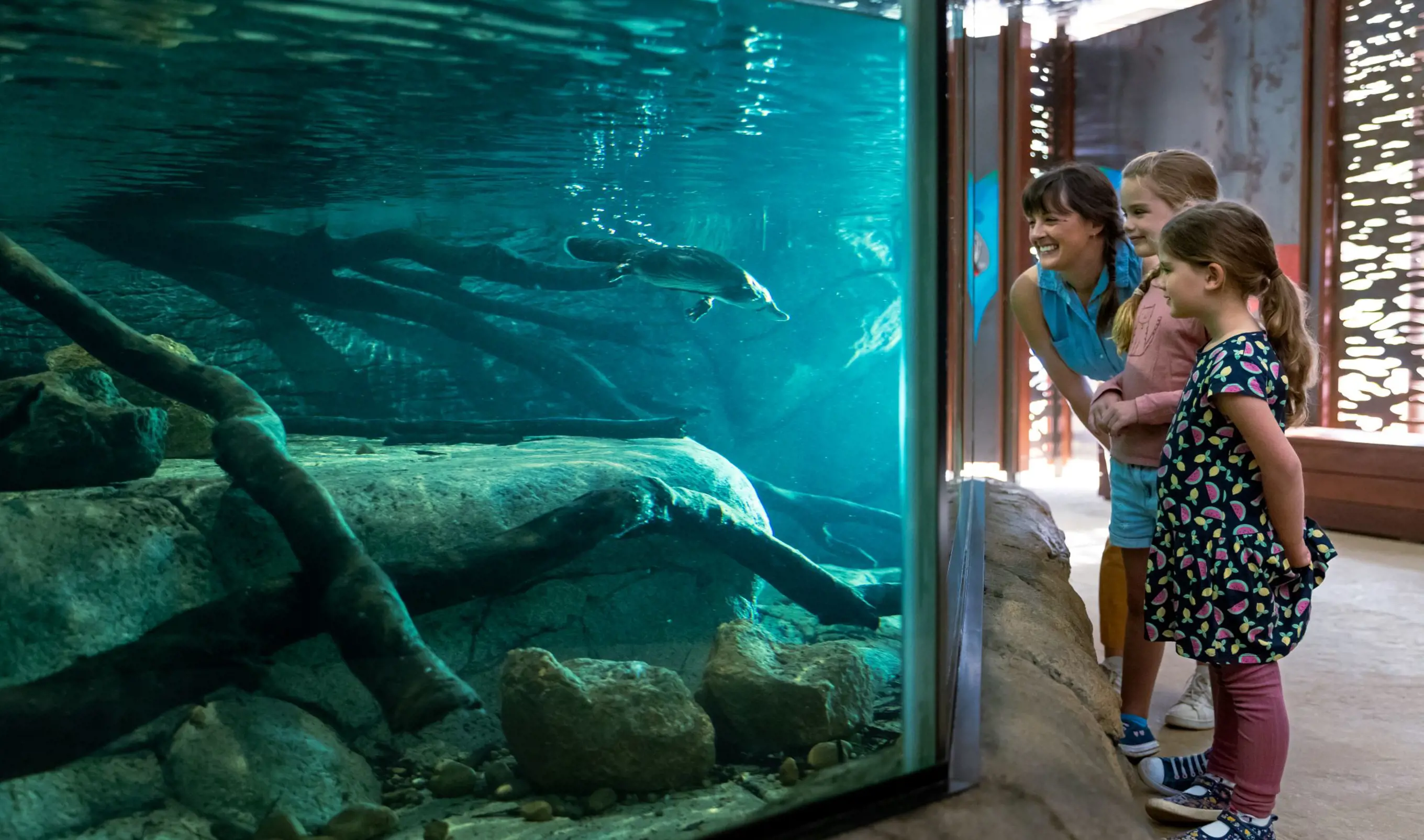
Inside the purpose-built habitat, you may spot Mackenzie, an adult male Platypus, and discover more about these fascinating animals that call the waterways of the Central West and NSW home.


65

Platypus Rescue HQ’s platypus capacity in the refuge facility in the event of floods, droughts and bushfires.

2

The number of breeding pairs the research facility can house to monitor critical behaviour to help support future emergency rescue interventions. 

50

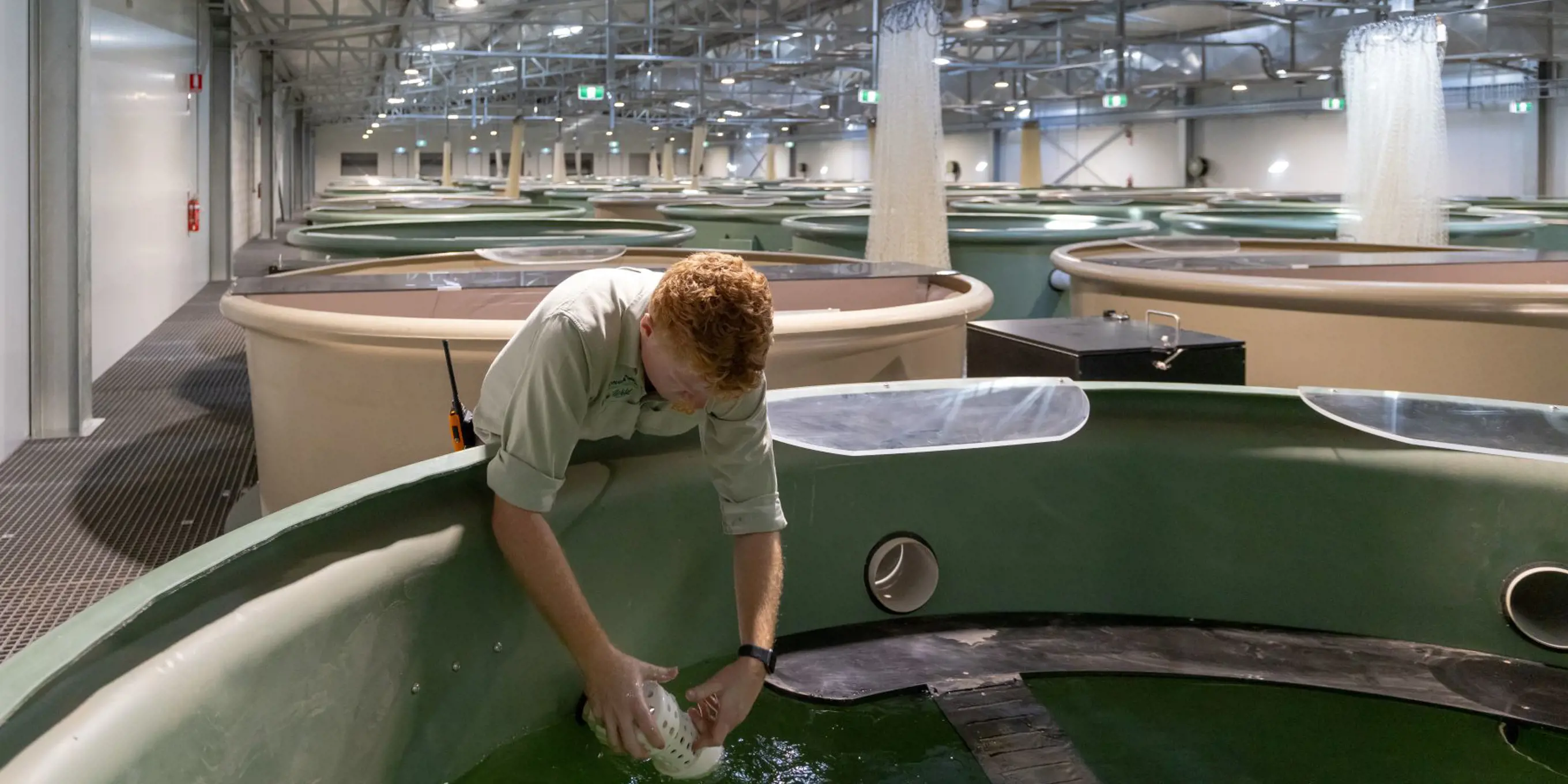
The number of 7,000 litre water tanks where the Platypus will be housed.

0

No water is wasted. Any ‘lost’ water is directed to the zoo’s waterways including the Savannah Lake.

2,800m2

The size of the facility – more than two Olympic swimming pools.

25

Number of earth-filled tubs designed to mimic natural platypus burrows.

Conservation in action

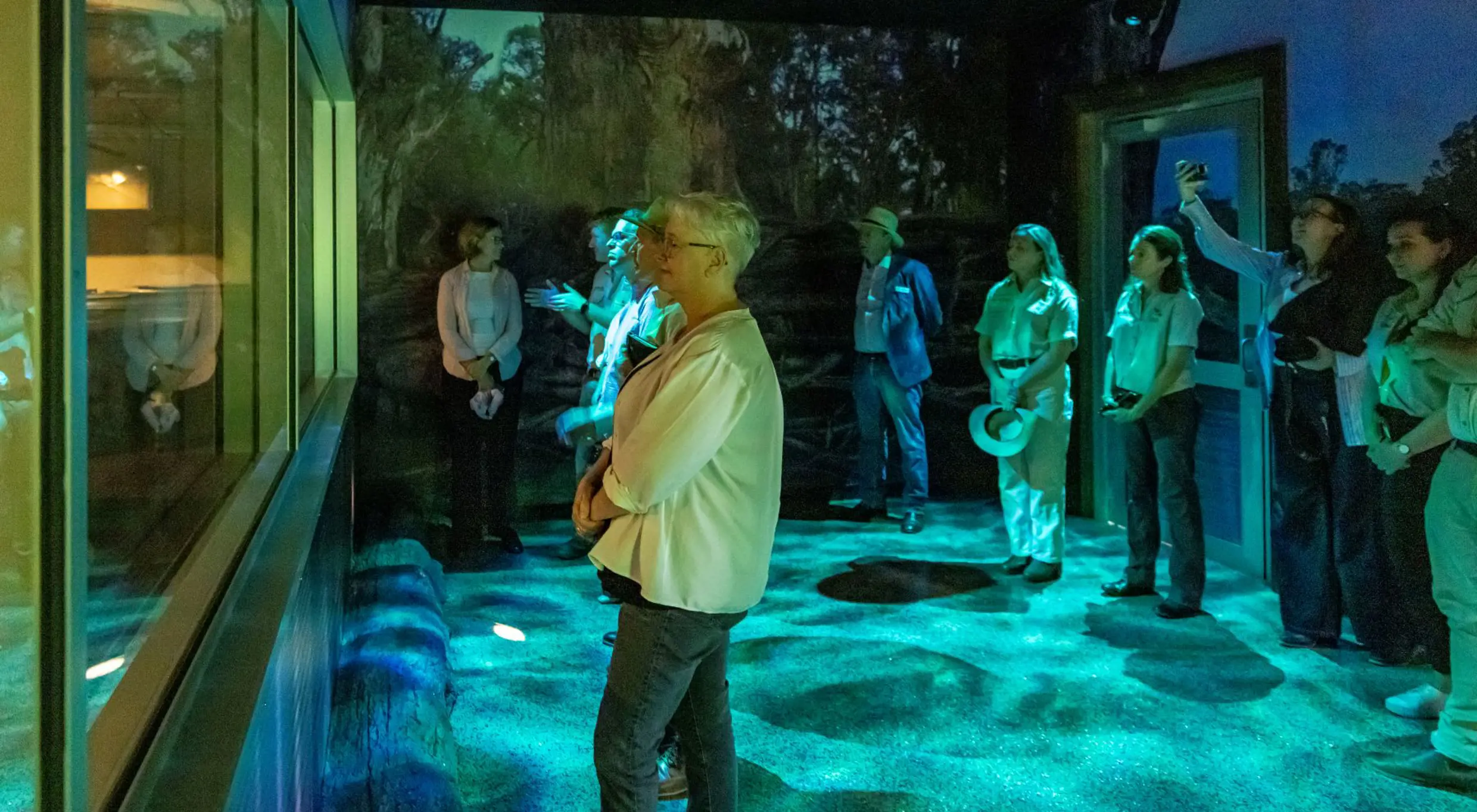
Platypus Rescue HQ will not only give guests an intimate experience with this unique species, but also provides a literal window into modern conservation and research, with guests able to look out over the refuge and see conservation in action.
 
The new centre builds on Taronga’s existing conservation work to support the platypus and will see cutting-edge research delivered in partnership with the University of NSW’s Centre for Ecosystem Science thanks to support from and collaboration with San Diego Zoo Wildlife Alliance and WIRES.
 
Researchers and staff will work to refine the conservation strategy for platypus by filling knowledge gaps across the species’ breeding behaviour, biology and genetics, and developing an evidence-based approach to support future emergency rescue interventions.  
Discover more about the Platypus

Learn more about the worlds last remaining monotremes
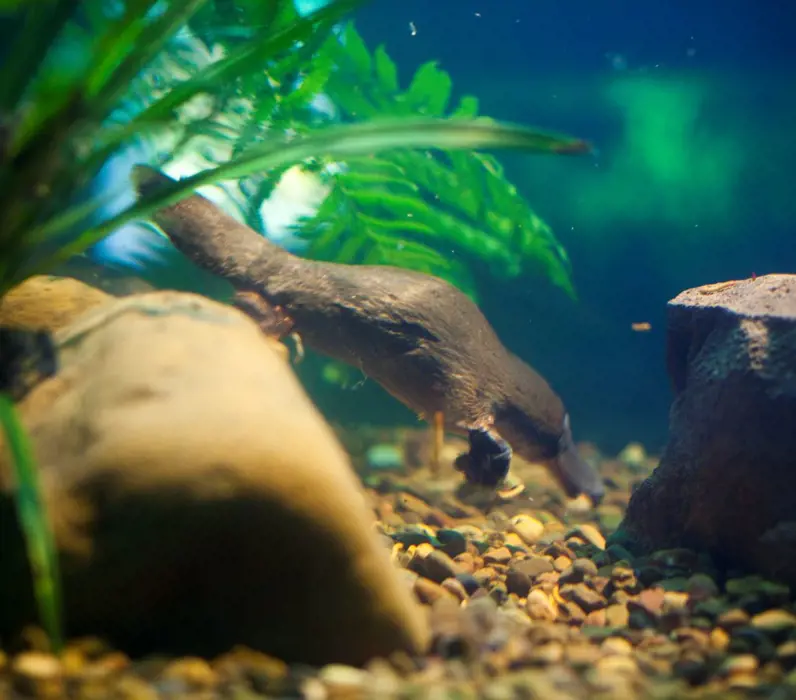
With a beaver-like tail, sleek waterproof fur, a duck-like bill and webbed feet, early British scientists thought the platypus was a trick when it was first described in 1798.
The Platypus is the animal emblem of Taronga and the state of NSW, living in the fresh waterways of eastern Australia and Tasmania.
Platypus are monotremes, rare mammals that lay soft-shelled eggs. The only other monotremes are echidnas.
Monotremes existed when Australia was part of the supercontinent Gondwana more than 160 million years ago.

A relative of the platypus discovered in Lightning Ridge, NSW dates back about 110 million years, making it one of Australia’s oldest mammals.
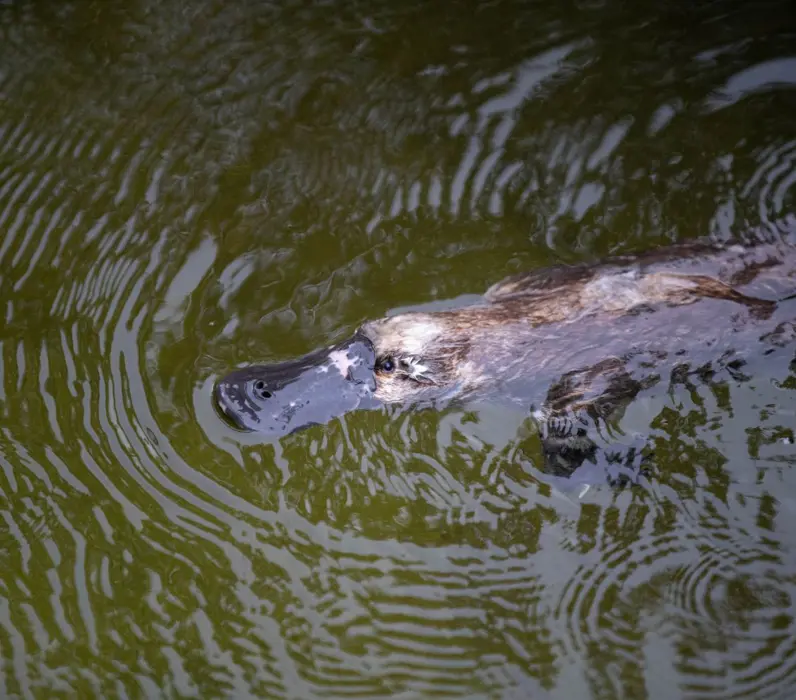
A platypus uses its highly sensitive bill to detect tiny electrical signals produced by prey such as crustaceans in the water.
With a beaver-like tail, sleek waterproof fur, a duck-like bill and webbed feet, early British scientists thought the platypus was a trick when it was first described in 1798.
The Platypus is the animal emblem of Taronga and the state of NSW, living in the fresh waterways of eastern Australia and Tasmania.
Platypus are monotremes, rare mammals that lay soft-shelled eggs. The only other monotremes are echidnas.
Monotremes existed when Australia was part of the supercontinent Gondwana more than 160 million years ago.

A relative of the platypus discovered in Lightning Ridge, NSW dates back about 110 million years, making it one of Australia’s oldest mammals.
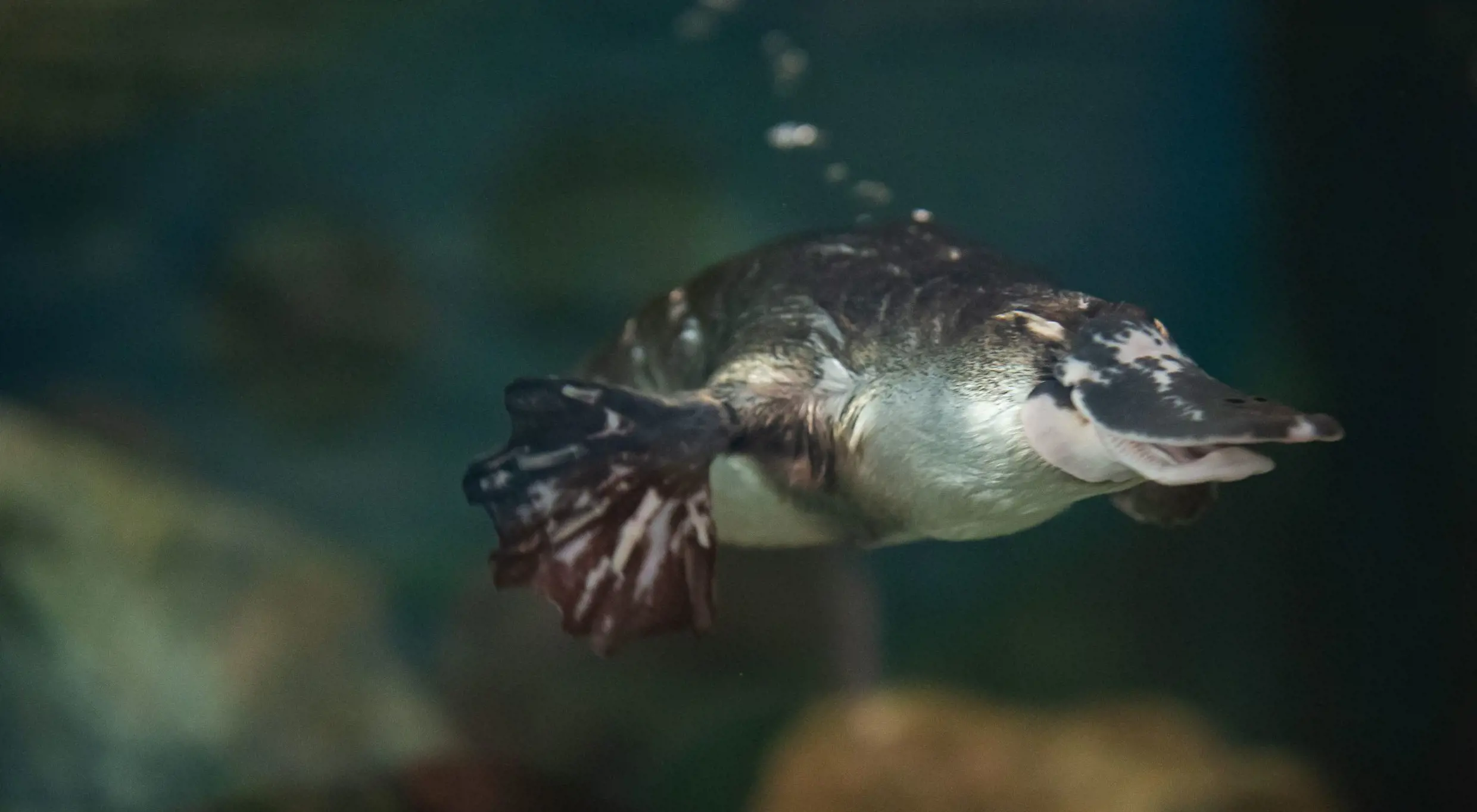
A platypus uses its highly sensitive bill to detect tiny electrical signals produced by prey such as crustaceans in the water.

Meet Mack

See inside

Reduce, reuse and save river species

When you choose reusable items and say no to single-use plastic, it makes a world of difference to wildlife.   

View map

Use the Zoo Map to find precincts and pit stops and plan your route around the Zoo circuit.