


Schools Toolkit
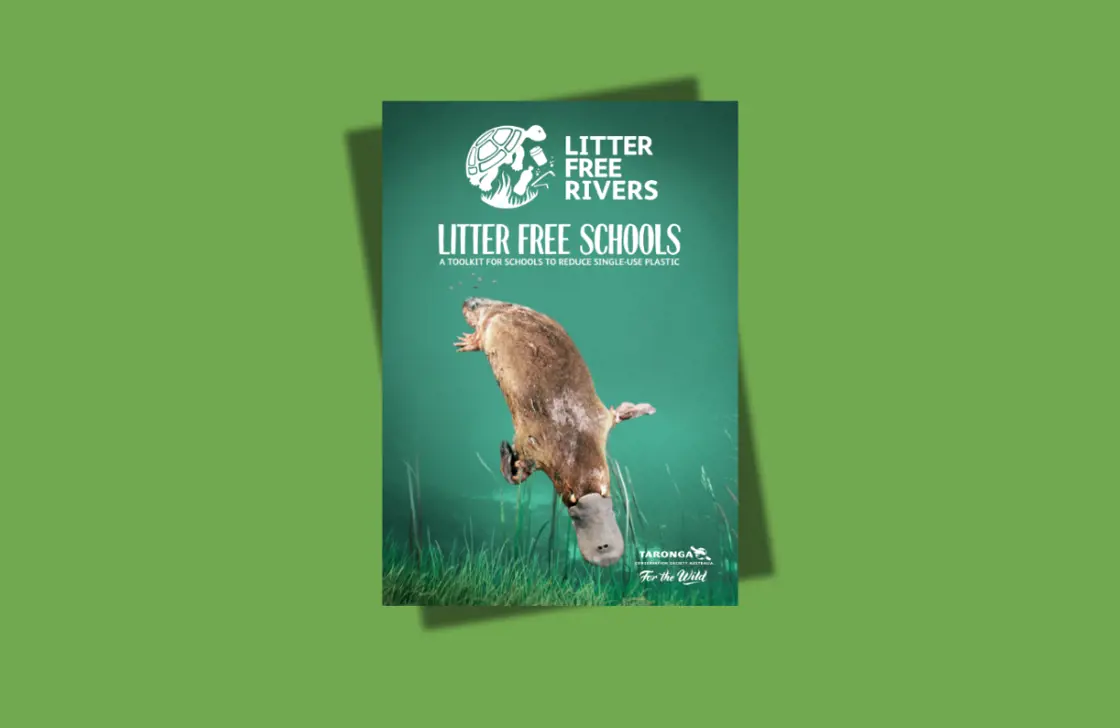
Teacher's guide to reducing single-use plastic in schools.
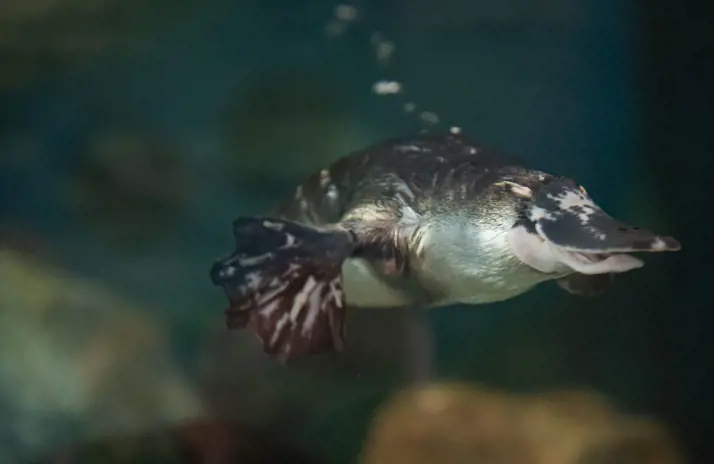
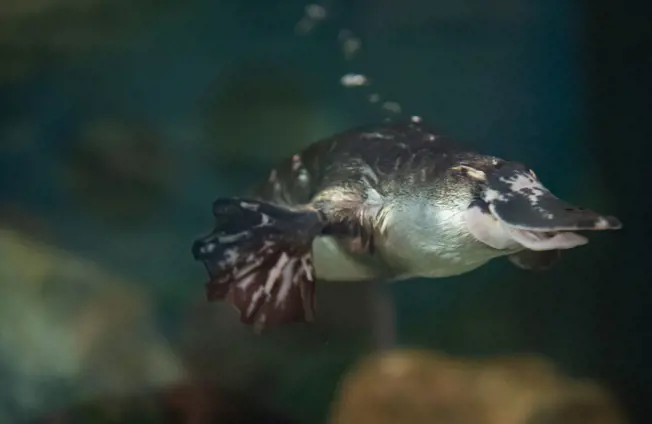
Freshwater habitats like lakes, rivers and wetlands provide water for people and wildlife. Yet too much plastic is polluting the system - used on land, carried into waterways, trapped in rivers and eventually transported to the ocean. Choosing to Reuse helps keep plastics out of waterways and protects animals like the Platypus.
Freshwater habitats like lakes, rivers and wetlands provide water for people and wildlife. Yet too much plastic is polluting the system - used on land, carried into waterways, trapped in rivers and eventually transported to the ocean. Choosing to Reuse helps keep plastics out of waterways and protects animals like the Platypus.





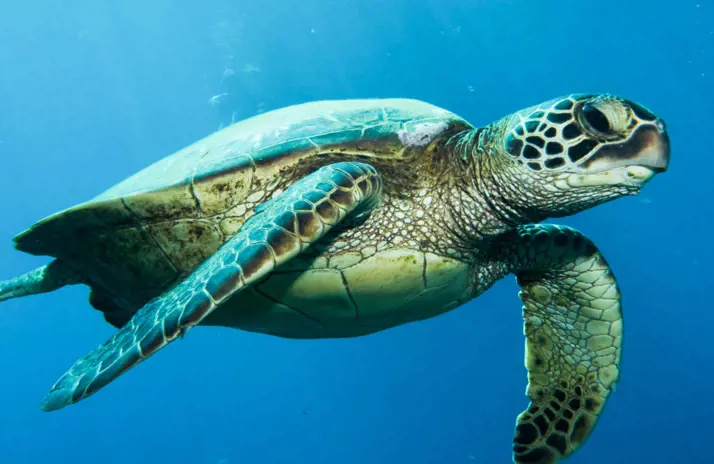
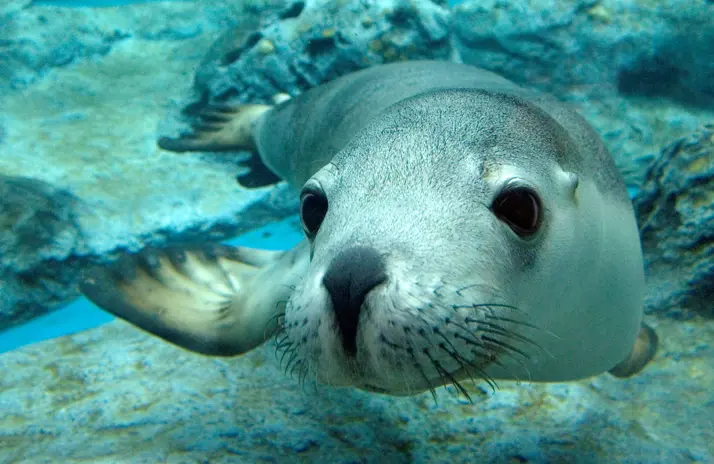
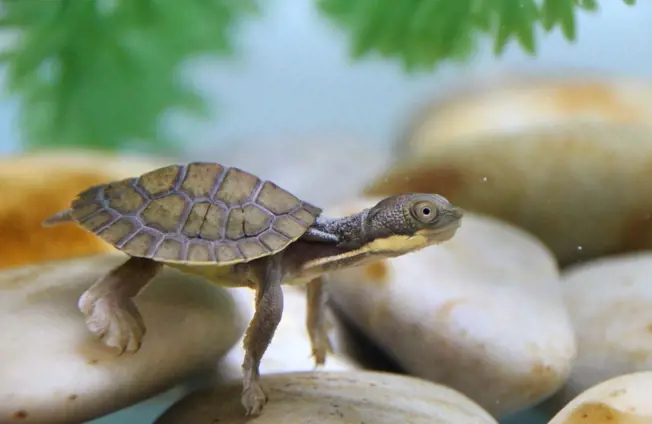
It's not just Platypus that are affected by plastic pollution, many other freshwater species are impacted, too.
Choose to Reuse!

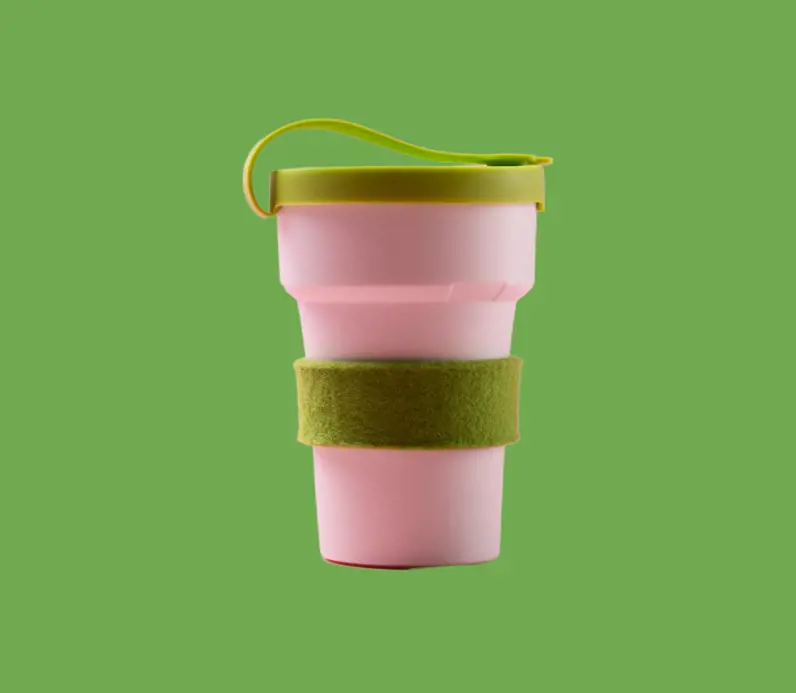
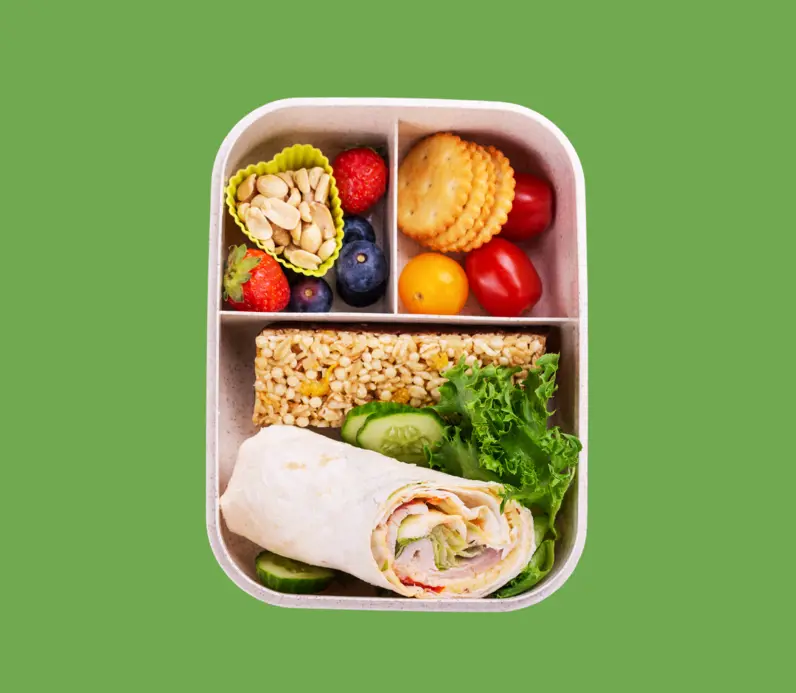
Make the swap from single-use to reusable:
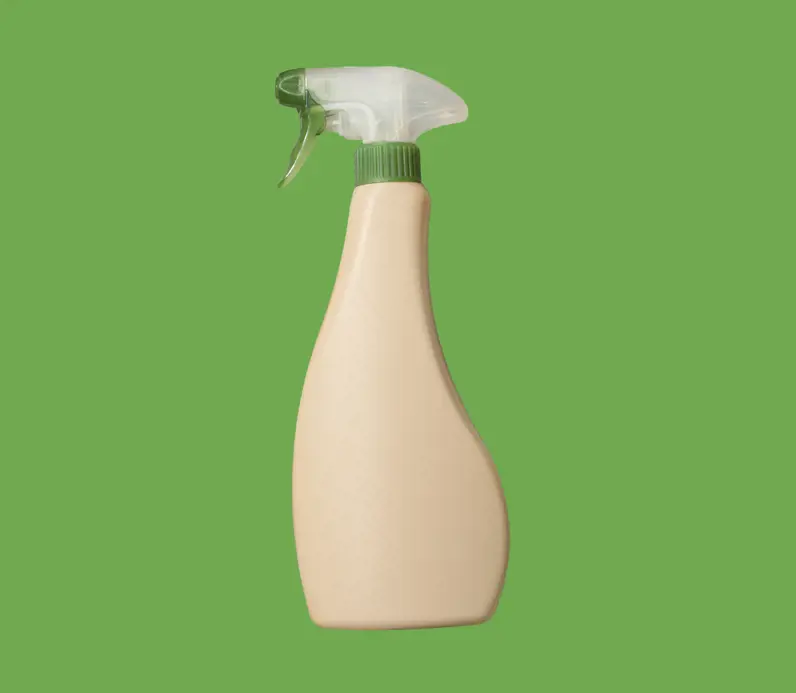
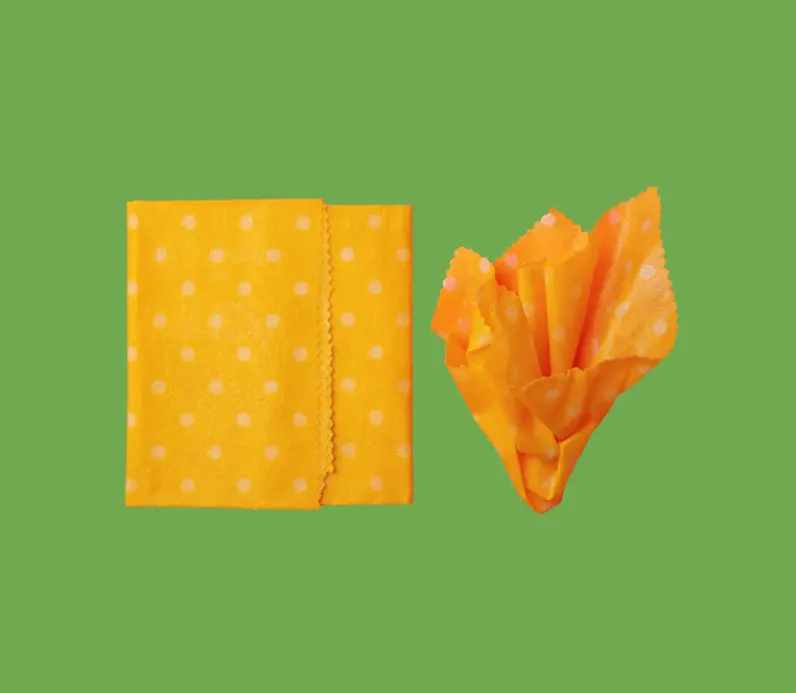
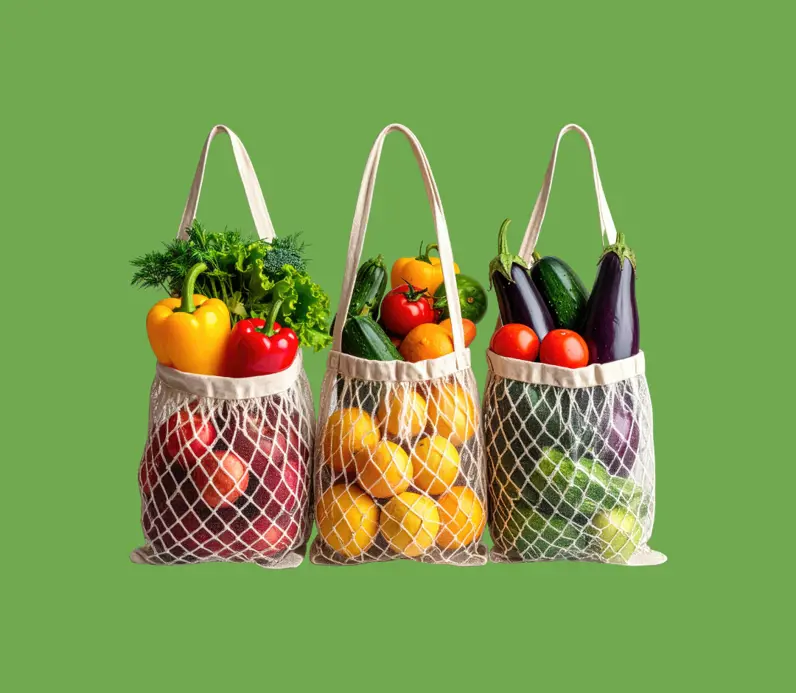
You can help save Platypus. Choose to Reuse!
Learn more about how even the smallest actions can make a positive impact on wildlife.