

African Lion
Scientific namePanthera leo
Conservation status (IUCN)
Vulnerable
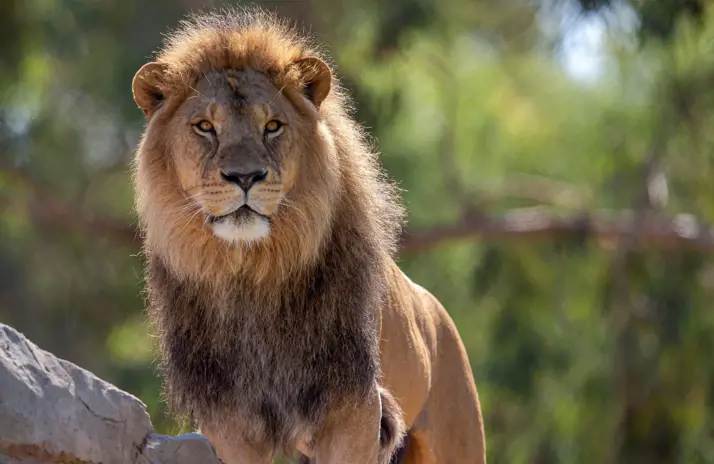
The African Lion is Africa’s top carnivore and apex predator.
Sydney
Visitor tips Dubbo
Visitor tips for Sydney
You can see Lions in African Savannah.
Good times to visit
2pm
Keeper Talk
10:00am
Fun facts about African Lions

20-25yrs
is how long lions can live in a zoo environment.
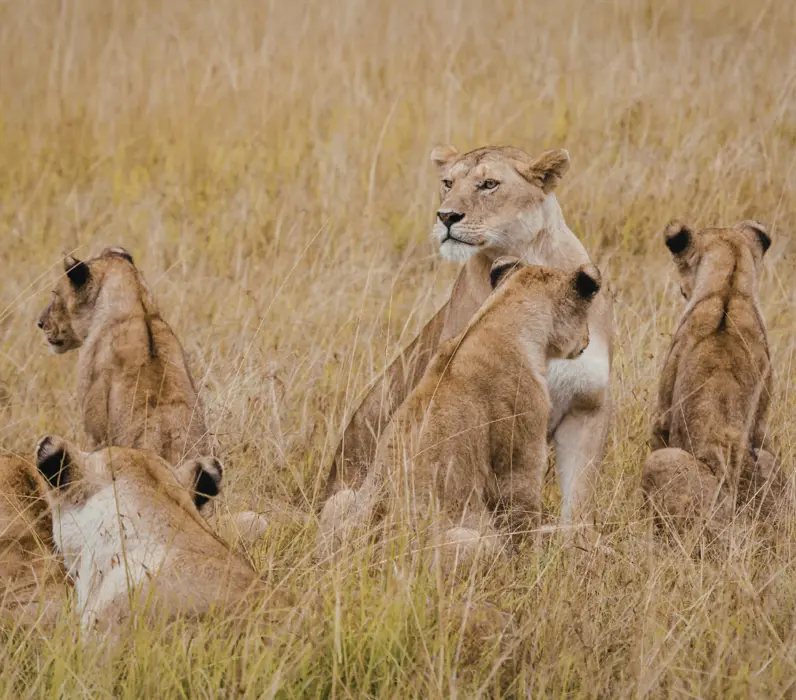
Broad habitat tolerance
Lions live in open woodlands as well as thick bush, scrub, and grasslands, where there is sufficient cover for hunting and denning.

150-260kg
is the typical weight range for male lions, while females usually weigh between 120–180 kg.
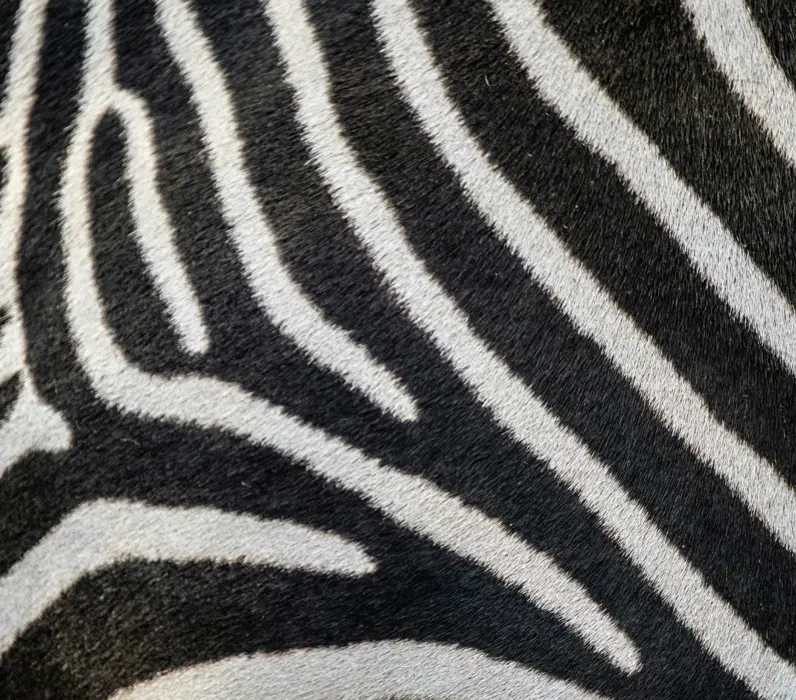
Carnivores
Lions hunt and eat animals including buffalo, zebra, antelope, and wildebeest.

1-1.5m
is the height lions can grow, with males almost 50% larger than females.
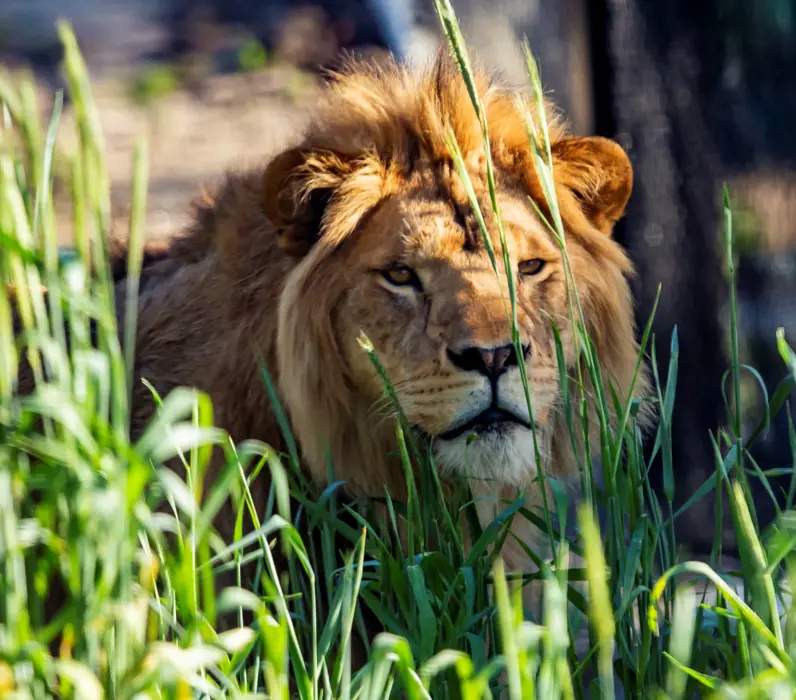
Sub-Saharan Africa
is where Lions are found (Botswana, Ethiopia, India, Kenya, Malawi, Mali, Mozambique, Namibia, Senegal, Somalia, South Africa, Sudan, Uganda, Zambia, and Zimbabwe).
110 days
or 3-4 months is a typical gestation period for a Lion.
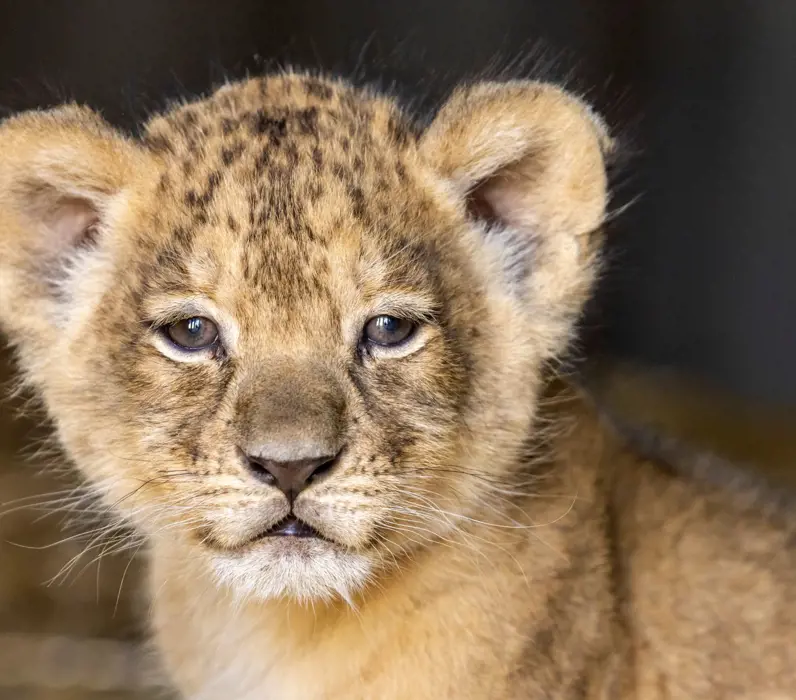

1-4 cubs
are born in a litter, although there has been instances of 5.
20-25yrs
is how long lions can live in a zoo environment.
Broad habitat tolerance
Lions live in open woodlands as well as thick bush, scrub, and grasslands, where there is sufficient cover for hunting and denning.
150-260kg
is the typical weight range for male lions, while females usually weigh between 120–180 kg.
Carnivores
Lions hunt and eat animals including buffalo, zebra, antelope, and wildebeest.
1-1.5m
is the height lions can grow, with males almost 50% larger than females.
Sub-Saharan Africa
is where Lions are found (Botswana, Ethiopia, India, Kenya, Malawi, Mali, Mozambique, Namibia, Senegal, Somalia, South Africa, Sudan, Uganda, Zambia, and Zimbabwe).
110 days
or 3-4 months is a typical gestation period for a Lion.
1-4 cubs
are born in a litter, although there has been instances of 5.
Did you know?
We bet you didn't know these facts about these boisterous big cats.

Tap the icons
Scroll across to reveal African Lion facts.
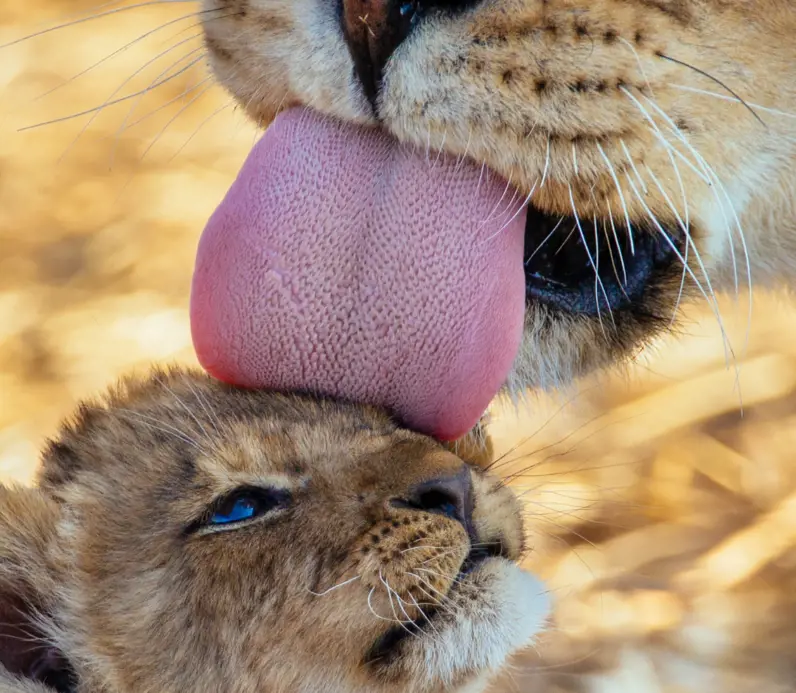
Sandpaper tongue
Lions have rough, spiney tongues! This helps them strip meat off bones when they feed.
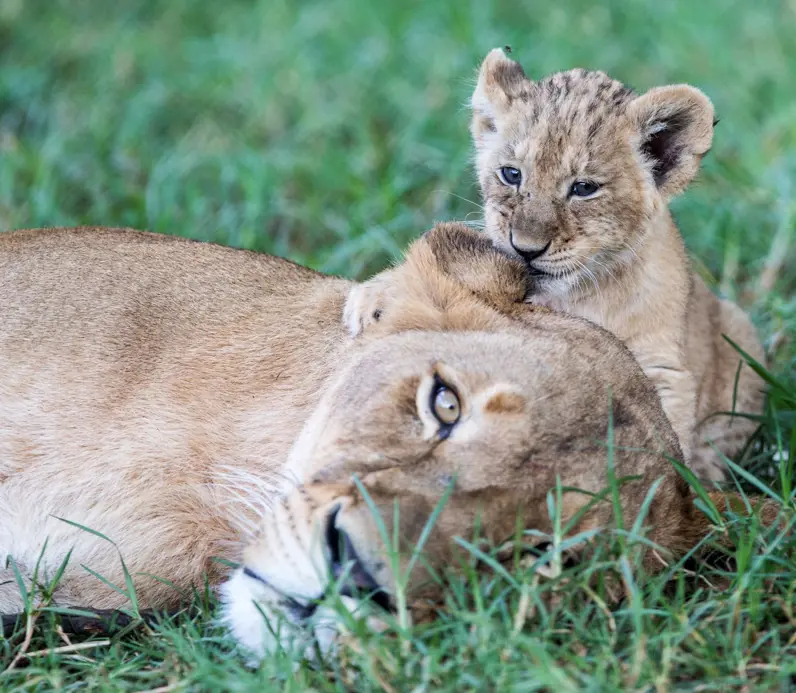
Sisters stick together
All females in a pride are related, because lionesses stay in the same pride their whole life.
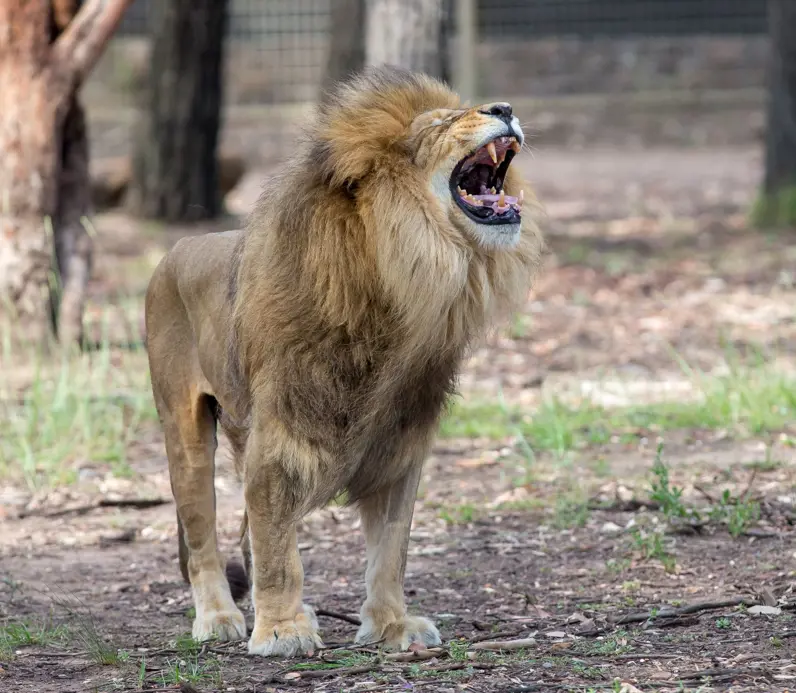
Nature at full volume
A Lions roar can be heard from up to 8km away.
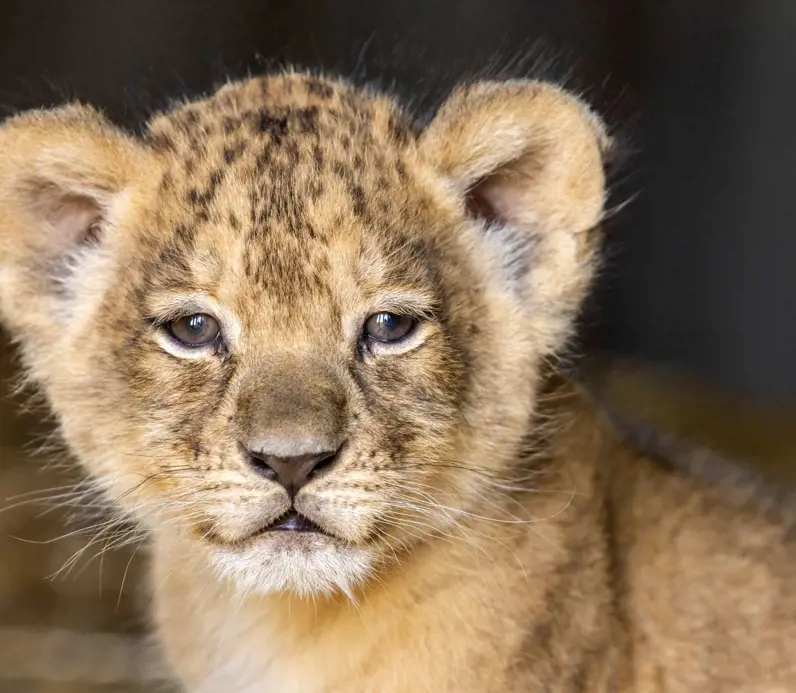
Born blind
Lion cubs are born blind. Their eyes gradually open in the first 2 weeks of life.
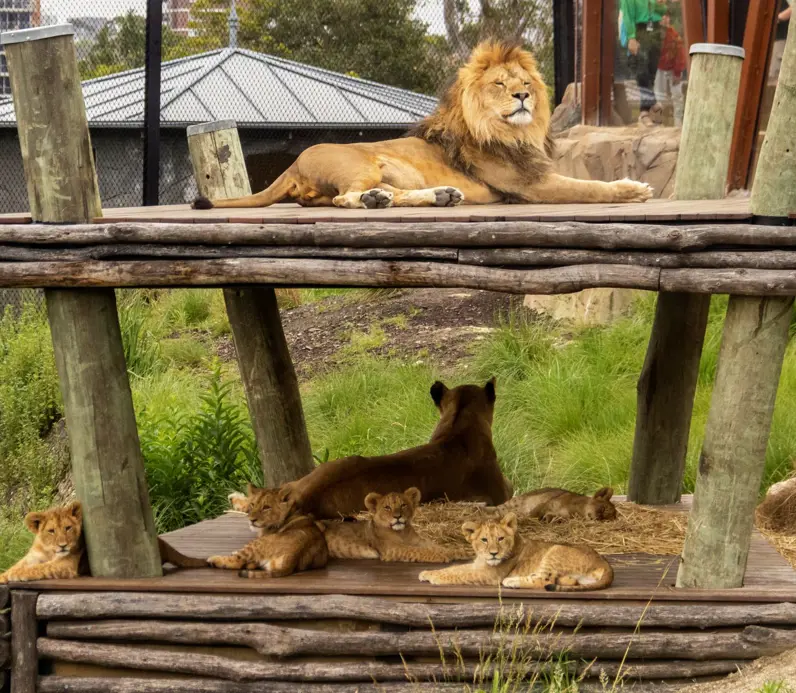
Lion pride
A group of Lions is called a ‘pride’.
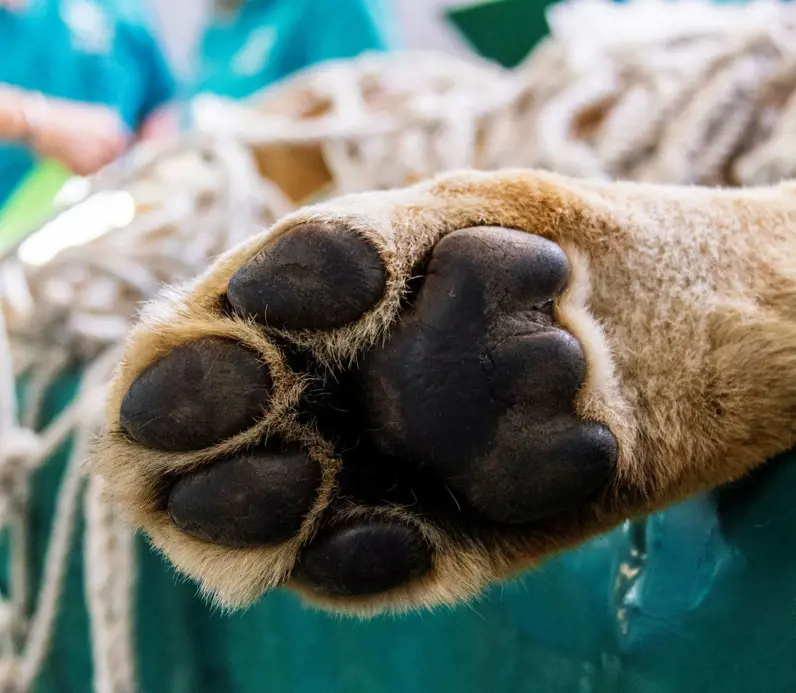
Padded paws
Lions have soft, padded paws to help them stalk silently when they hunt.
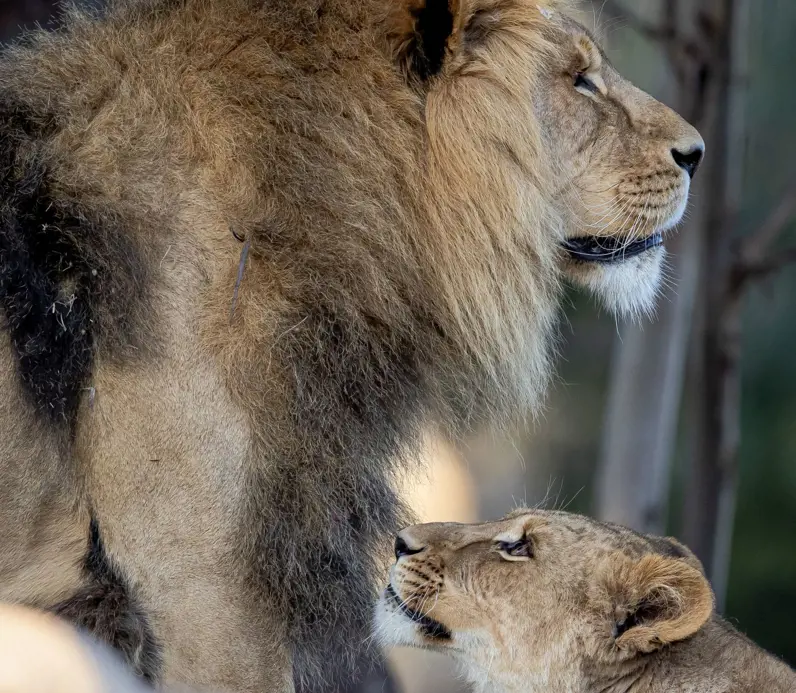
Males have manes
Male Lions have a mane, and female Lions, Lionesses, do not.
Night vision
Lions have incredible night vision, to help them hunt at night.
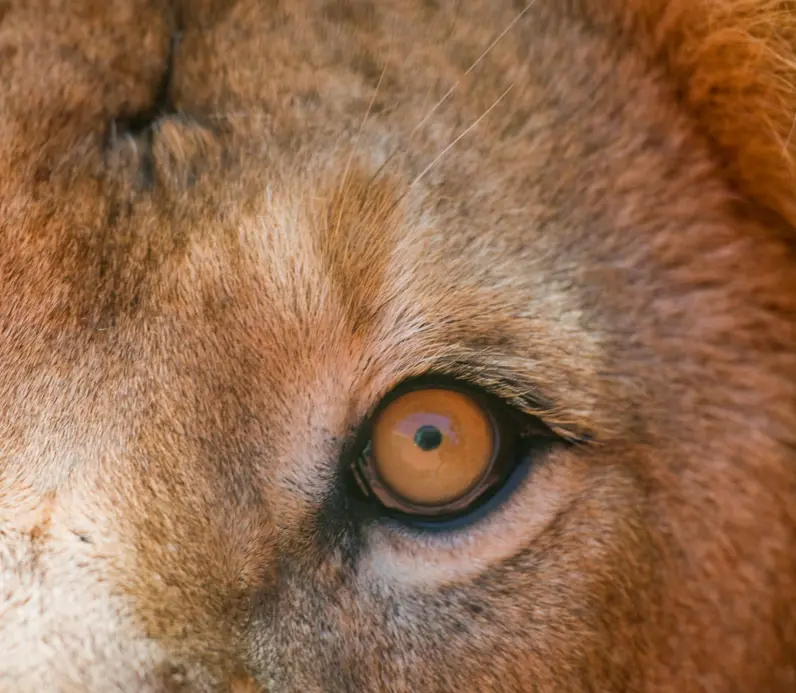
Dubbo's growing Lion Pride
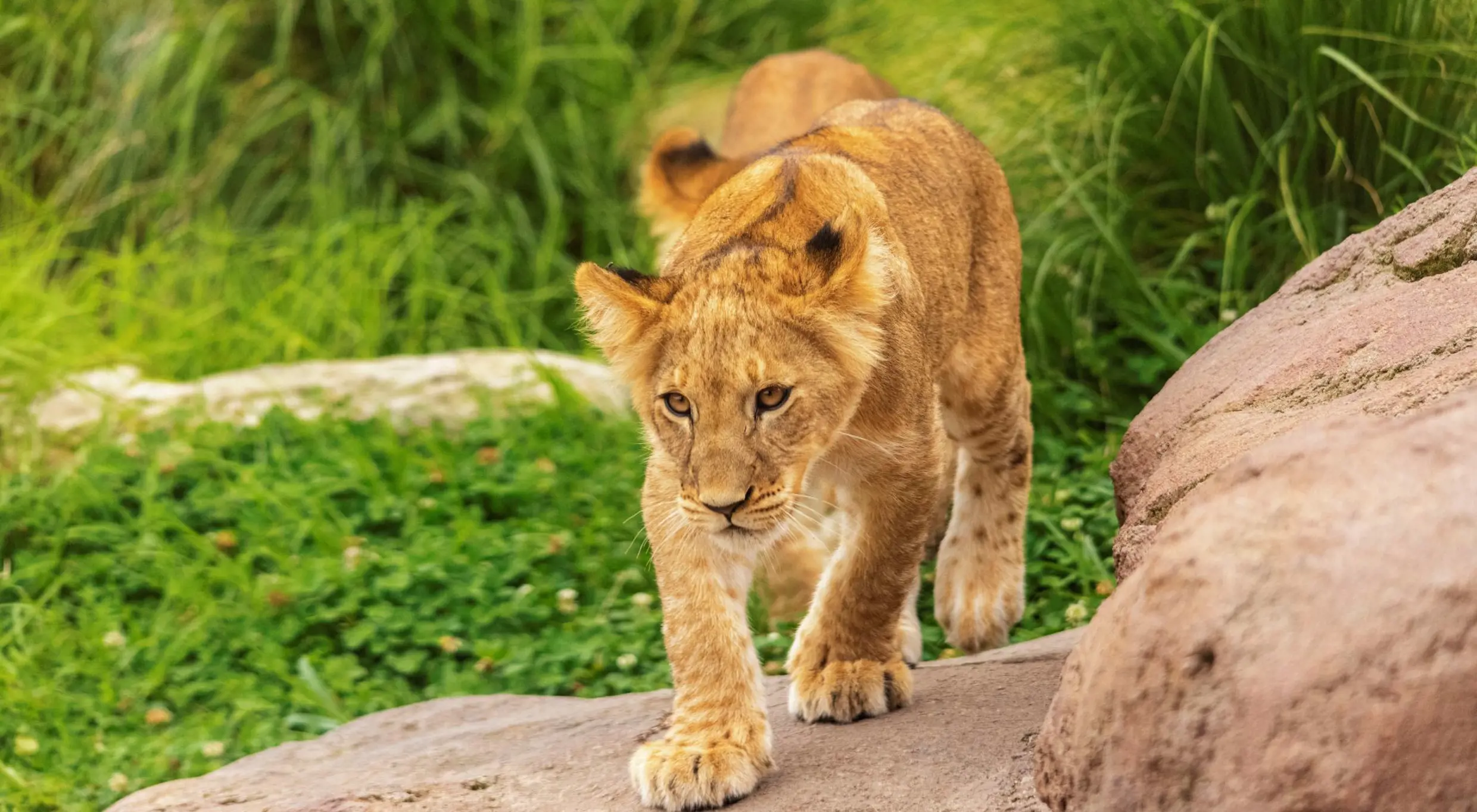
The legendary African Lion
Breeding programs
Taronga hosts the species breeding program for this animal through the Zoos and Aquarium Association (ZAA). This means we work with experts across Australasia to manage animal populations, not just to breed, but also support important husbandry knowledge, safeguarding this species for the future. 
Buy beads, save wildlife
You can help African animals by purchasing beads! But how can beads help animals like giraffe and lions? Find out with Beads for Wildlife.
Fact sheets for kids
Discover educational resources for kindergarten to year 6.