Annual Report Summary 2020
Opens in a new tab
The Australian Shark Incident Database (formally known as the Australian Shark Attack File) is considered the principal source of shark-bite data in Australia. The Australian Shark Attack File was founded by John West in the 1980s and based on the initial research by David Baldridge, whose 1974 analysis of the database resulted in the first book on shark/human interactions.
The Australian Shark Incident Database (formally known as the Australian Shark Attack File) is considered the principal source of shark-bite data in Australia. The Australian Shark Attack File was founded by John West in the 1980s and based on the initial research by David Baldridge, whose 1974 analysis of the database resulted in the first book on shark/human interactions.
The Australian Shark Incident Database (ASID) quantifies temporal and spatial patterns of shark-human interactions in Australia.
The ASID is a joint partnership with Taronga Conservation Society Australia, along with Flinders University, and the New South Wales Department of Primary Industries
Maintained as an uninterrupted record by a few committed Taronga team members since 1984, the File currently comprises > 1000 individual investigations from 1791 to today, making it the most comprehensive database of its kind available.
The database has been maintained by Taronga Conservation Society Australia since 1984 and includes more than 1,1000 individual investigations of shark-human interactions in Australia since 1791. All interactions reported to the database are subject to thorough assessment to collate all possible information about the event. The original dataset is a comprehensive repository with 100 descriptor fields including information such as geographical location of the incident, weather conditions, victim recovery status, shark species, and time of incident. This information is gained by a purpose-designed questionnaire completed by victims, witnesses, official reports, and investigations by qualified biologists.
Gathering this information enables a comprehensive evaluation of the contact and potential causes of shark bites, and may assist in reducing these incidents and promoting sustainable shark-human coexistence.
A paper describing the data was published in Nature’s Scientific Data in 2022
Criteria for inclusion and the process behind classifying data.
Any use of this information in any publication must contain appropriate accreditation to the Australian Shark Incident Database, Taronga Conservation Society Australia, and cannot be used for commercial purposes without express permission from Taronga.
This database is dynamic and regularly updated, so numbers of recorded incidents and their outcomes are subject to change reflecting new information available and new cases as they occur.
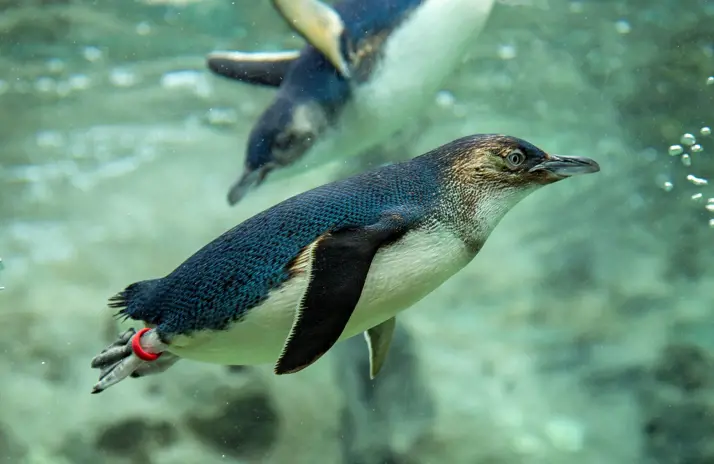
Little Penguins, sometimes called Blue Penguins, are the smallest of all the world’s penguin species, and the only species to breed on the Australian mainland.
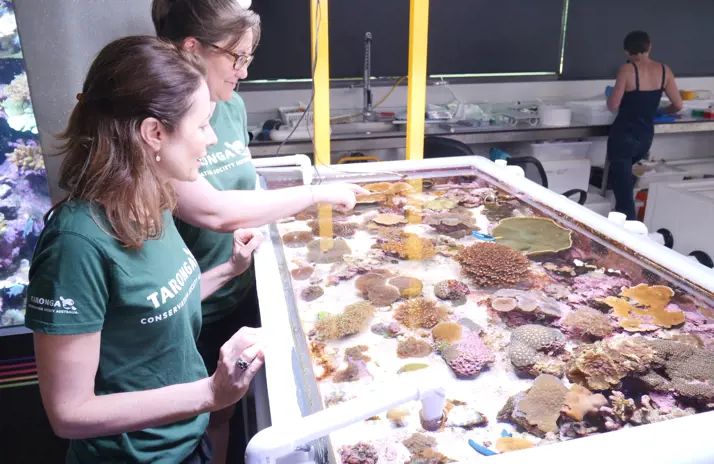
Find out more about how Taronga is using biobanking to secure genetic diversity and contribute to species recovery across Australian ecosystems.
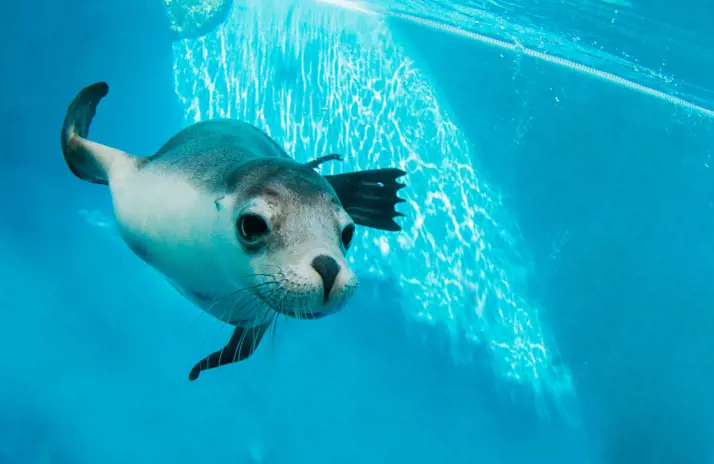
Australian Sea-lions are the only seal species endemic to Australia. They have a bellowing roar and a bold yellow mane made of long thick hairs. It is easy to see why this semi-aquatic predator got its name!