Little Penguin
Scientific nameEudyptula minor
Conservation status (IUCN)
Least Concern
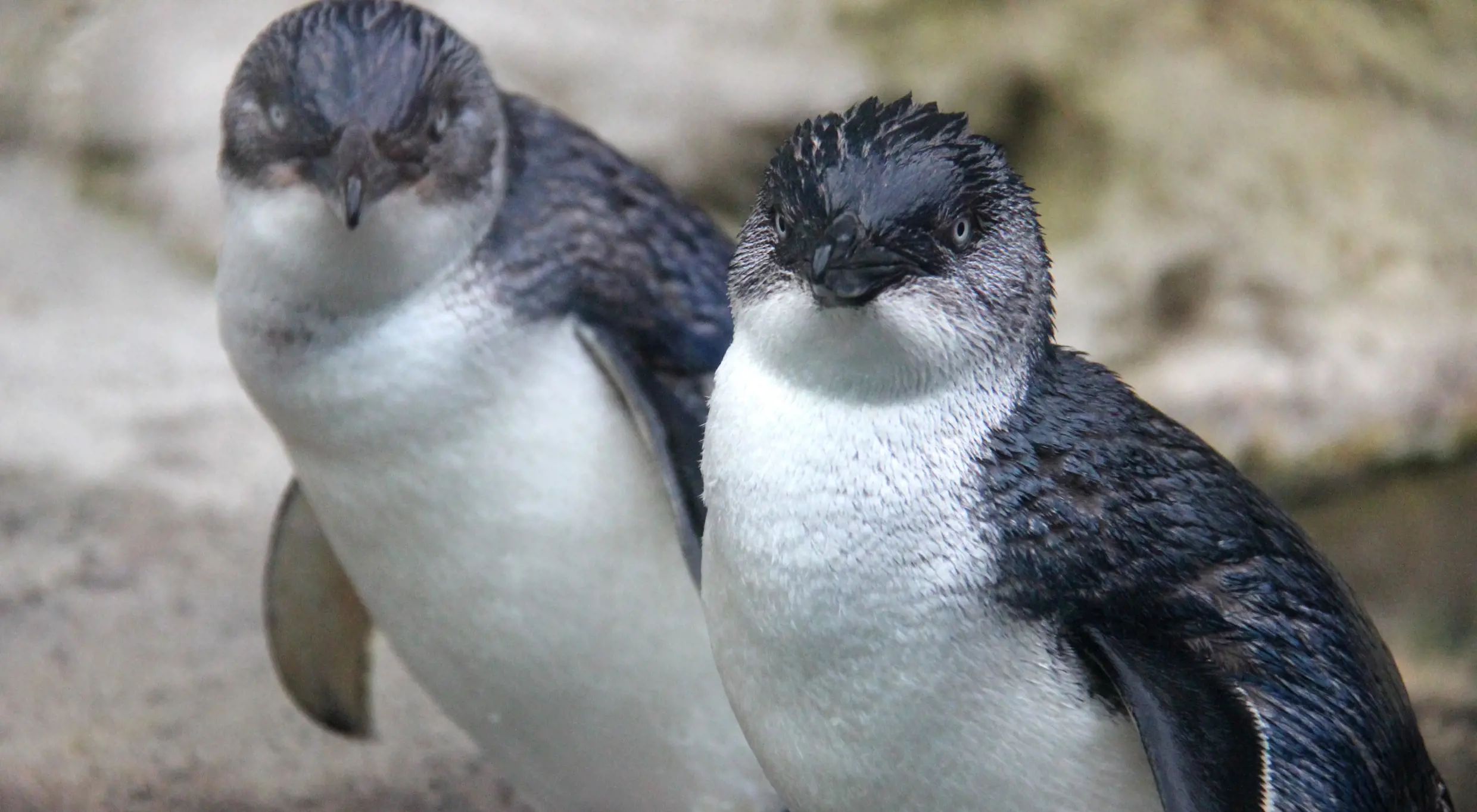
Little Penguins, sometimes called Blue Penguins, are the smallest of all the world’s penguin species, and the only species to breed on the Australian mainland.
Sydney
Visitor tips for Sydney
Keeper Talk
2:40pm
Fun facts about Little Penguins
Where they live
Coastal waters and sandy and rocky shores.

7yrs
They can live to around 7 years of age.
What they eat
Small fish, squid, and krill.
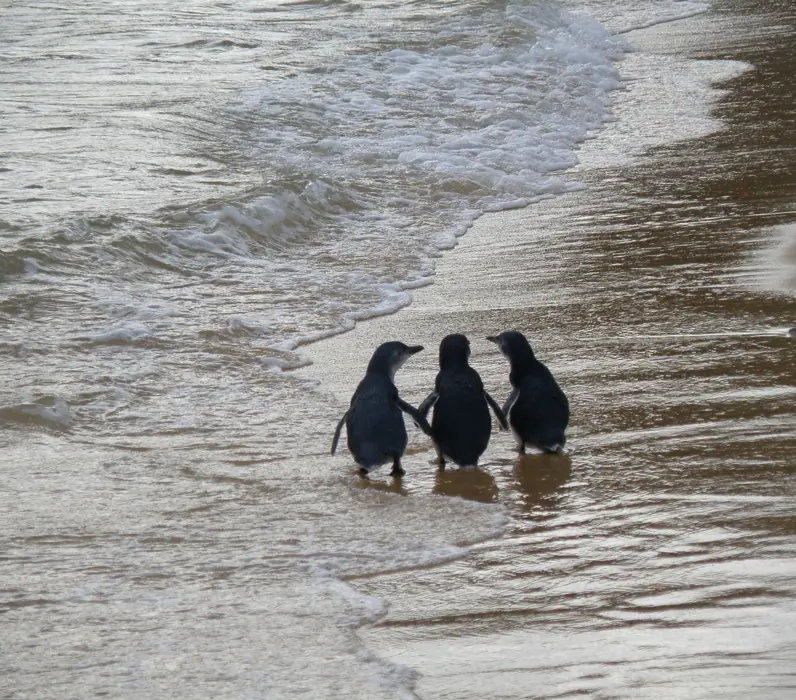
Where they're found
Southern mainland Australian coastline, Tasmania and other offshore islands.

30cm
They're little! They can grow to around 30cm tall.

1kg
They're small! They only weigh around 1kg.

2 eggs
They will lay 1-2 eggs in their burrow.
Before they hatch
Eggs incubate for around 35 days.

60m
They can dive up to 60m deep.

25th April
Is world penguin day.
Where they live
Coastal waters and sandy and rocky shores.
7yrs
They can live to around 7 years of age.
What they eat
Small fish, squid, and krill.
Where they're found
Southern mainland Australian coastline, Tasmania and other offshore islands.
30cm
They're little! They can grow to around 30cm tall.
1kg
They're small! They only weigh around 1kg.
2 eggs
They will lay 1-2 eggs in their burrow.
Before they hatch
Eggs incubate for around 35 days.
60m
They can dive up to 60m deep.
25th April
Is world penguin day.
Did you know?
We bet you didn't know these facts about this penguin species.

Tap the icons
Scroll across to reveal penguin facts.
Life at sea
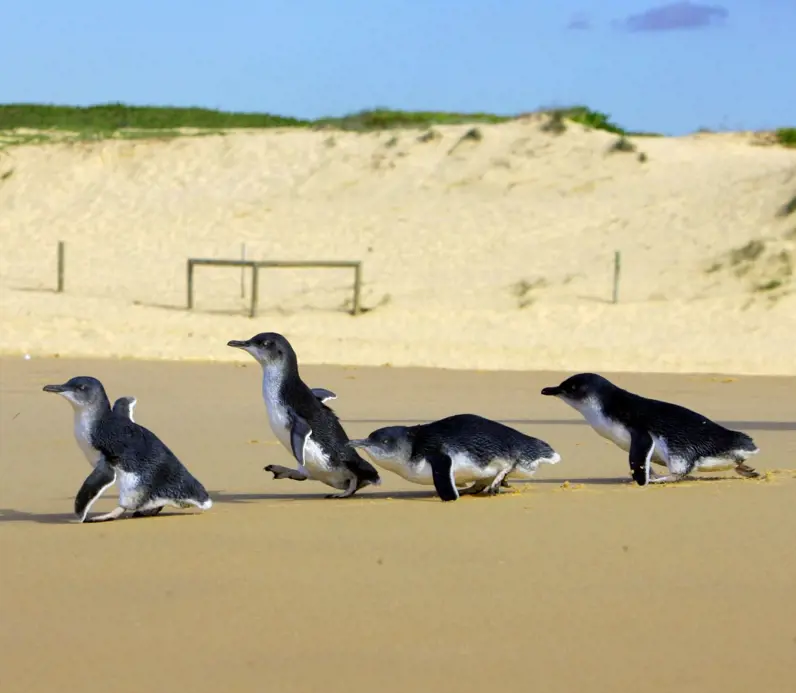
Around 80% of their life is spent at sea, with Penguins coming ashore to moult or breed.
A penguin hotspot
Australia’s largest breeding colony is located on Philip Island, south of Melbourne.
Colony livin'
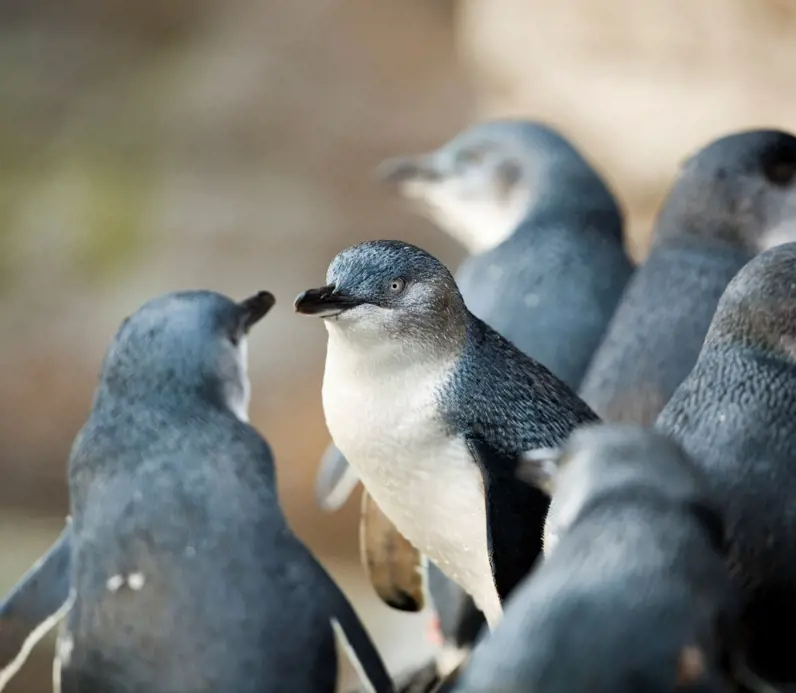
A group of Penguins is called a ‘colony.’ Colonies vary in size from just a few nests to tens of thousands of pairs.
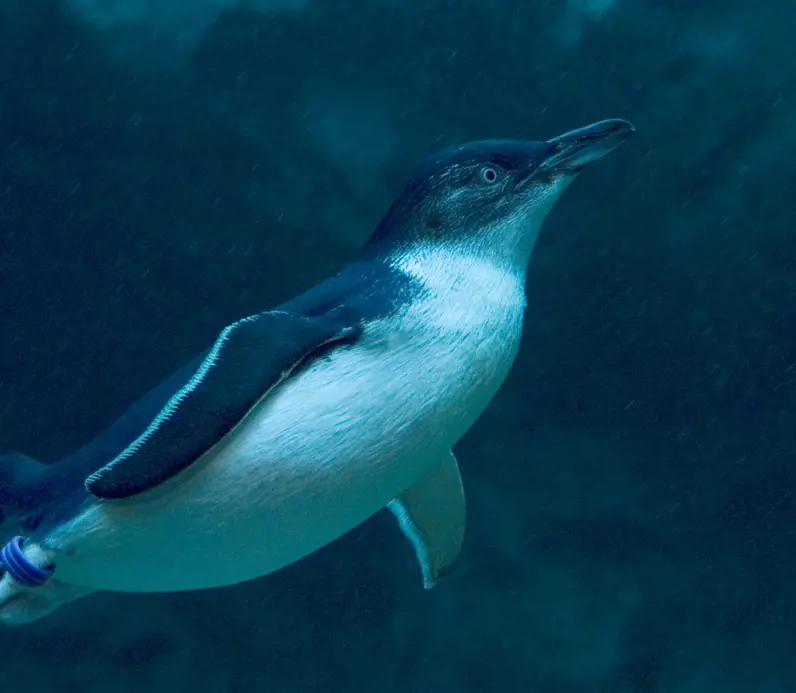
Built-in camouflage
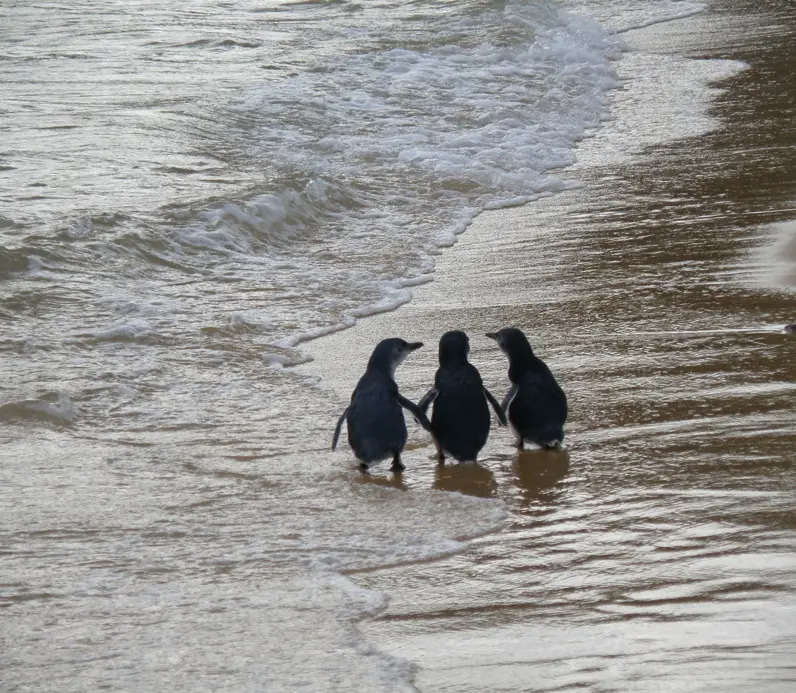
A dark back and light belly is called countershading, it camouflages them against sunlight above and dark water below.
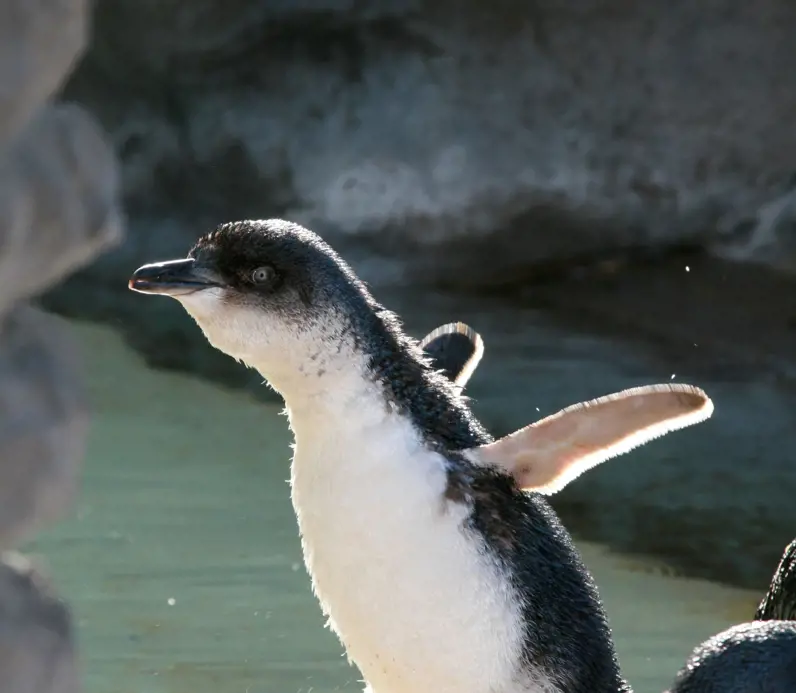
Fresh feathers
Penguins must moult each year, loosing and regrowing feathers to stay waterproof.
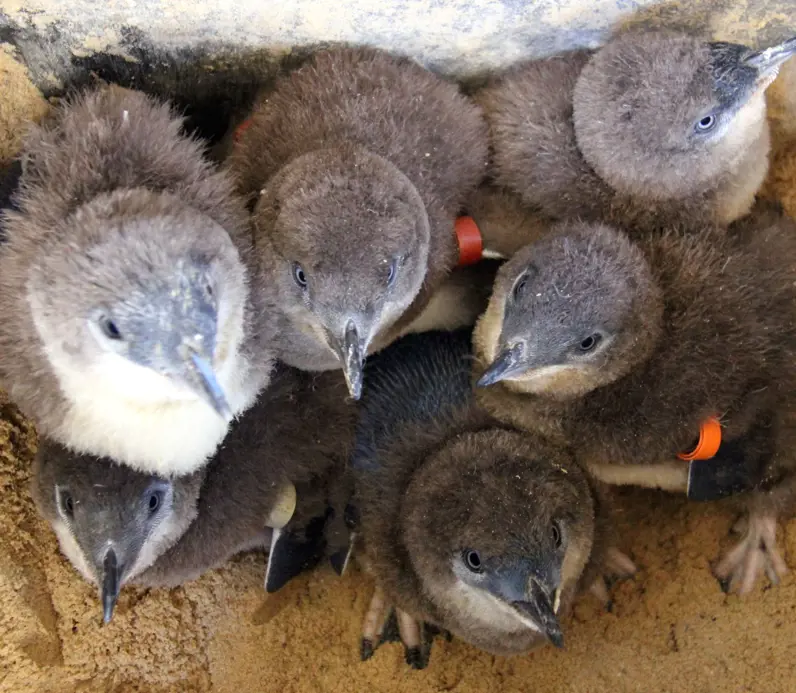
Penguin babies
A Little Penguin baby is called a chick, and has fluffy brown feathers.
Breeding programs
Taronga hosts the species breeding program for this animal through the Zoos and Aquarium Association (ZAA). This means we work with experts across Australasia to manage animal populations, not just to breed, but also support important husbandry knowledge, safeguarding this species for the future. 
Conservation status (IUCN)
Least Concern
Penguins under pressure
Living so close to humans brings its challenges to this species, with threats that include habitat loss, pollution, predation from cats, dogs, and foxes. Keeping cats indoors and dogs on leashes is an important step towards protecting penguins and other native wildlife.
At sea, penguins face even more challenges. Both the overfishing and warming of our oceans is reducing food availability. Penguins are also extremely vulnerable to plastic pollution and litter, which they can mistakenly consume or become entangled in, which can prove fatal.
At sea, penguins face even more challenges. Both the overfishing and warming of our oceans is reducing food availability. Penguins are also extremely vulnerable to plastic pollution and litter, which they can mistakenly consume or become entangled in, which can prove fatal.
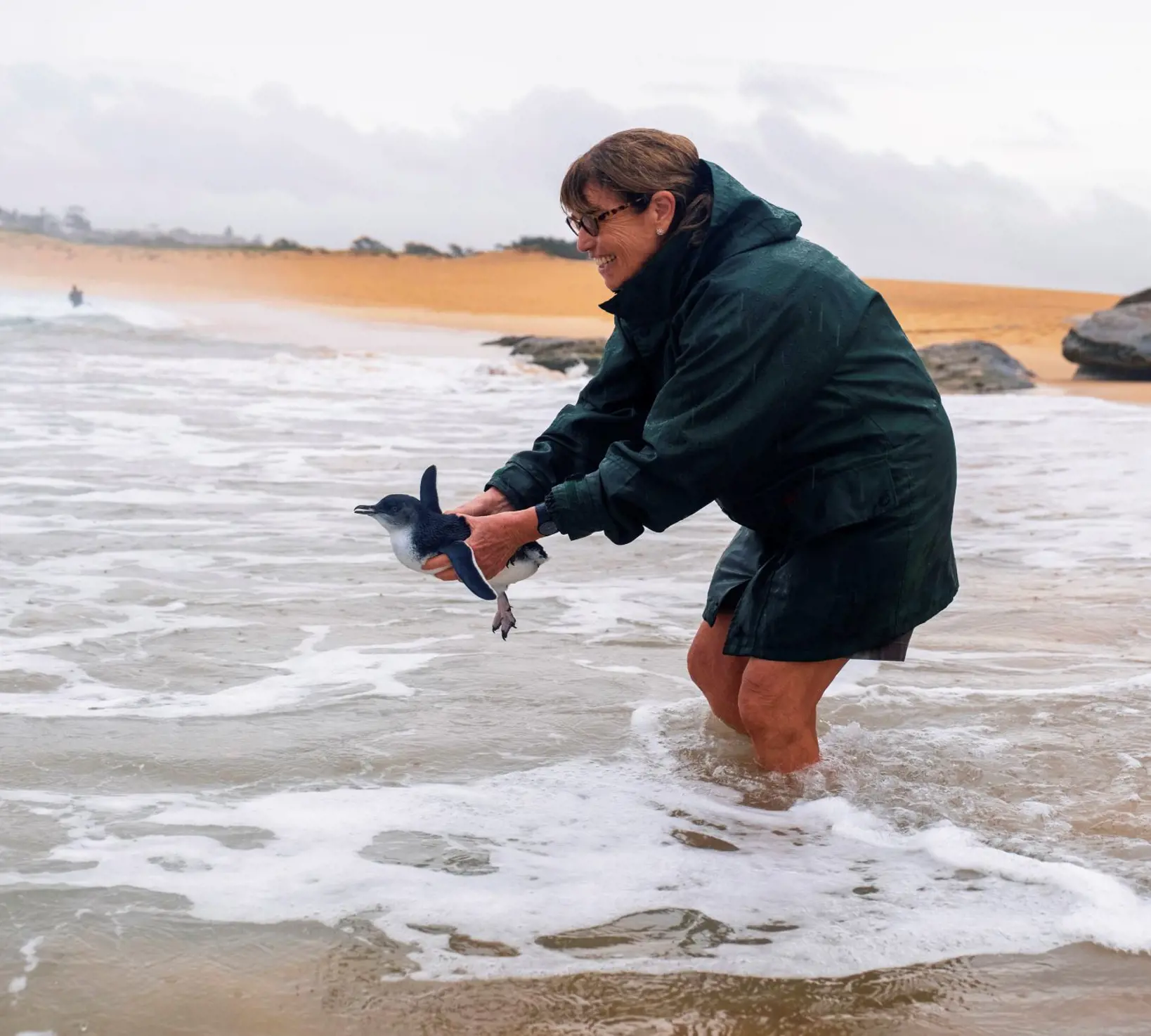
Little Penguin deep dive
Little penguin breeding season
Reduce, reuse and save marine life
When you choose reusable items and say no to single-use plastic, it makes a world of difference to wildlife.