Fiordland Penguin
Scientific nameEudyptes pachyrhynchus
Conservation status (IUCN)
Near Threatened
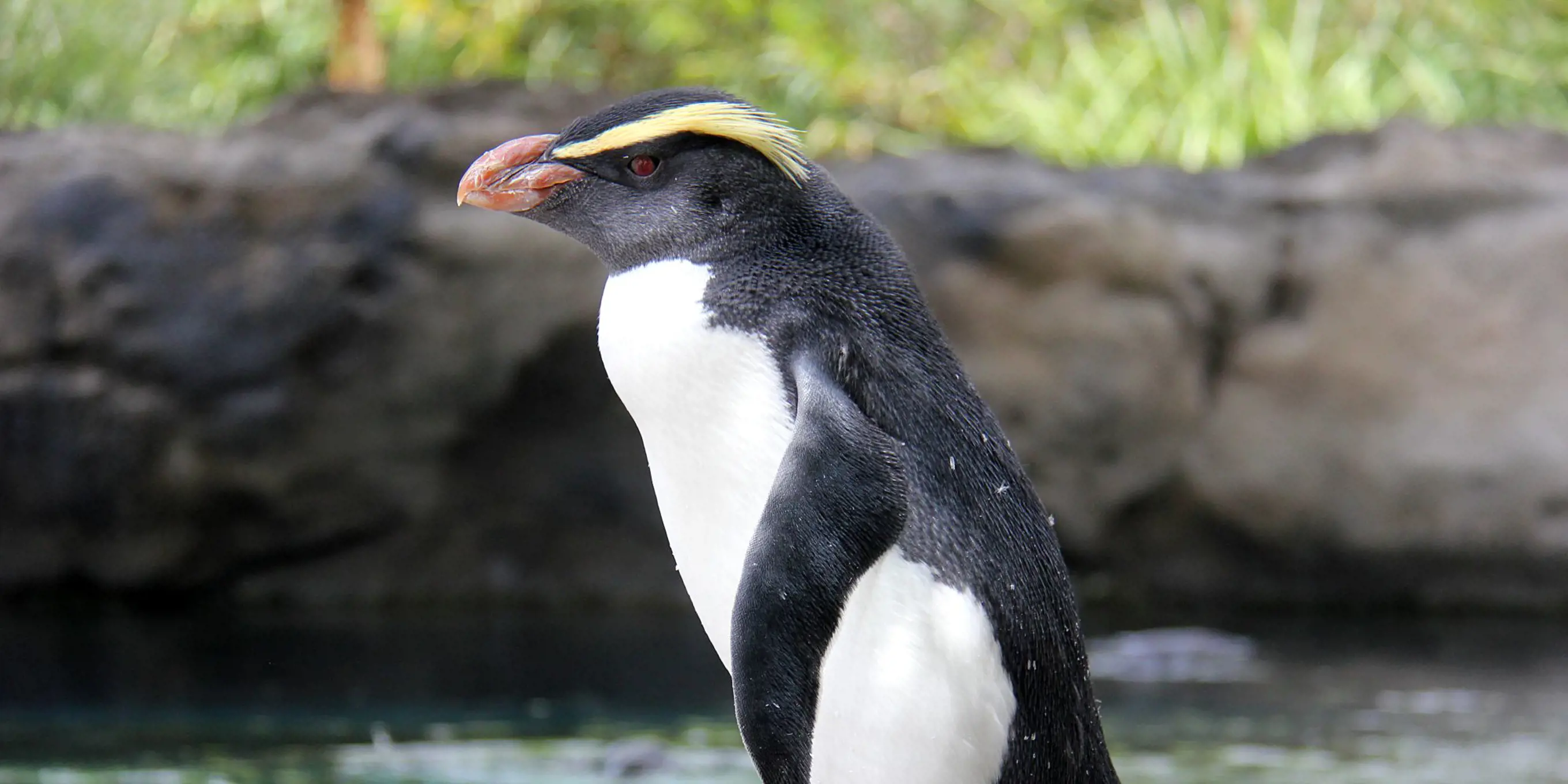
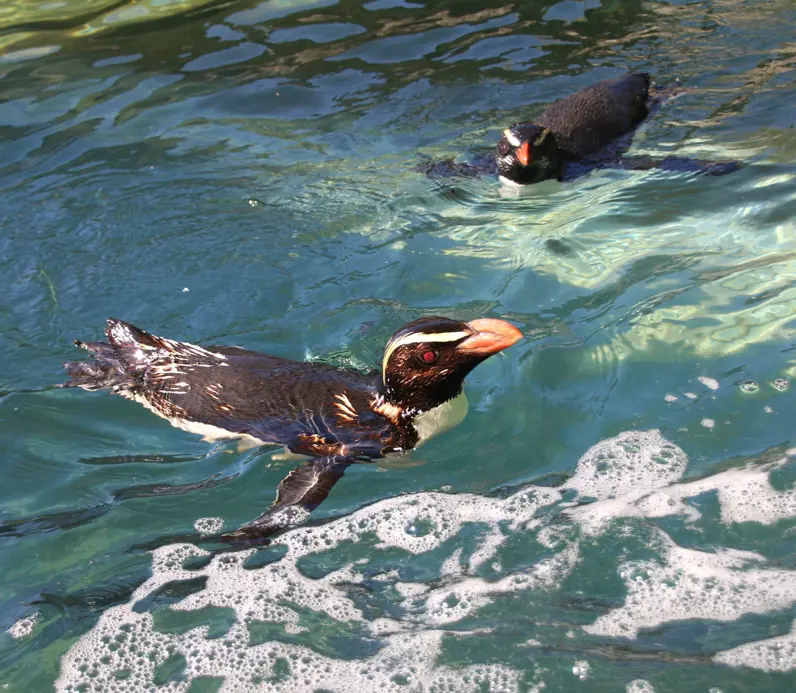
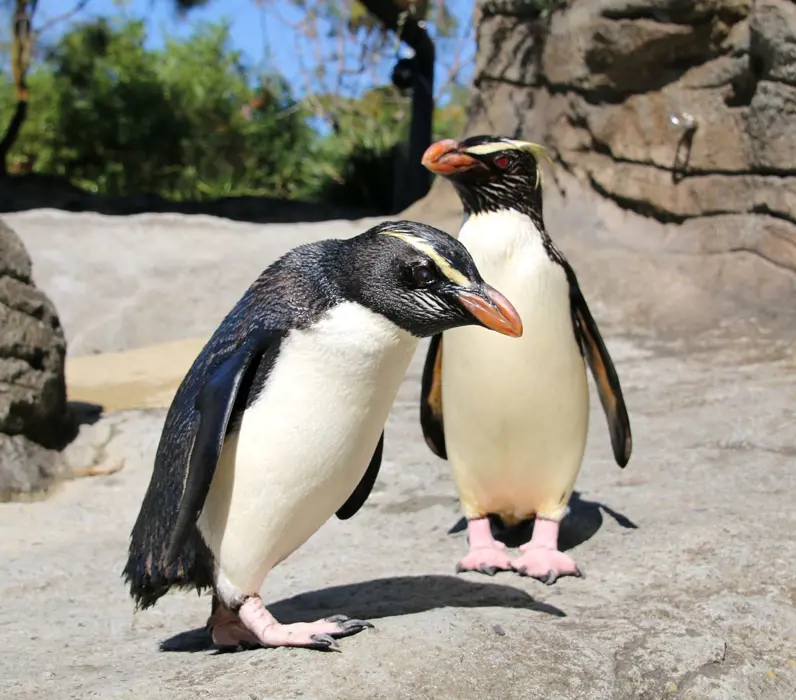
Fiordland Penguins have a yellow tuft of feathers above their eye, making them easily distinguishable from other Penguin species, but like other crested penguins. Taronga is the only zoo in the world home to a breeding colony.
Visitor tips for Sydney
You can see Fiordland Penguins in Great Southern Oceans. They may be in their burrows for breeding season from August to December, so the best time to see them is in January to July.
2:40pm
Keeper talk (school term only)
Fun facts about Fiordland Penguins
We bet you didn't know these facts about this crested penguin species.

Scroll across and tap the icon to reveal penguin facts.
Meet the Tawaki!
The local Maori name for Fiordland Penguins is Tawaki.
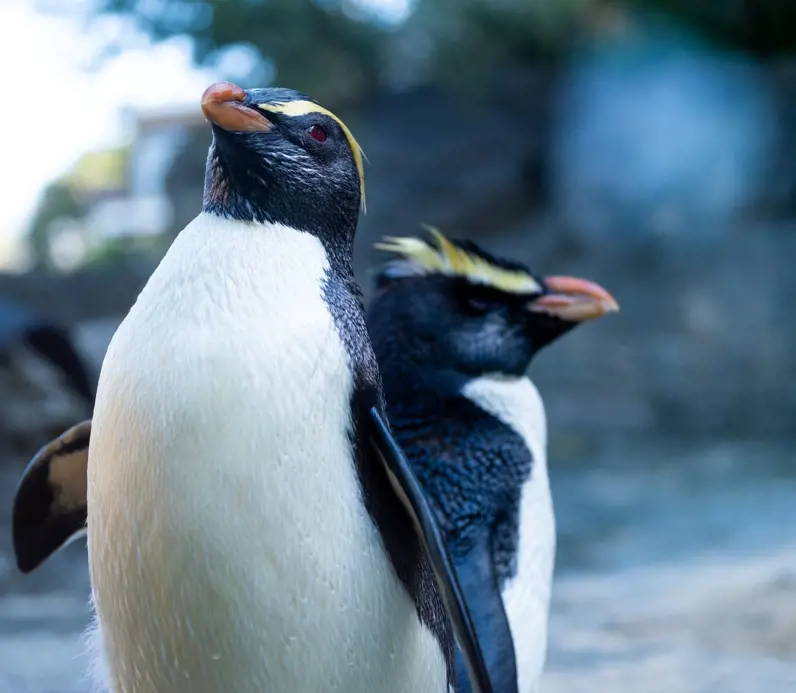
South-western penguins
They are a secretive species found only in south-western New Zealand.
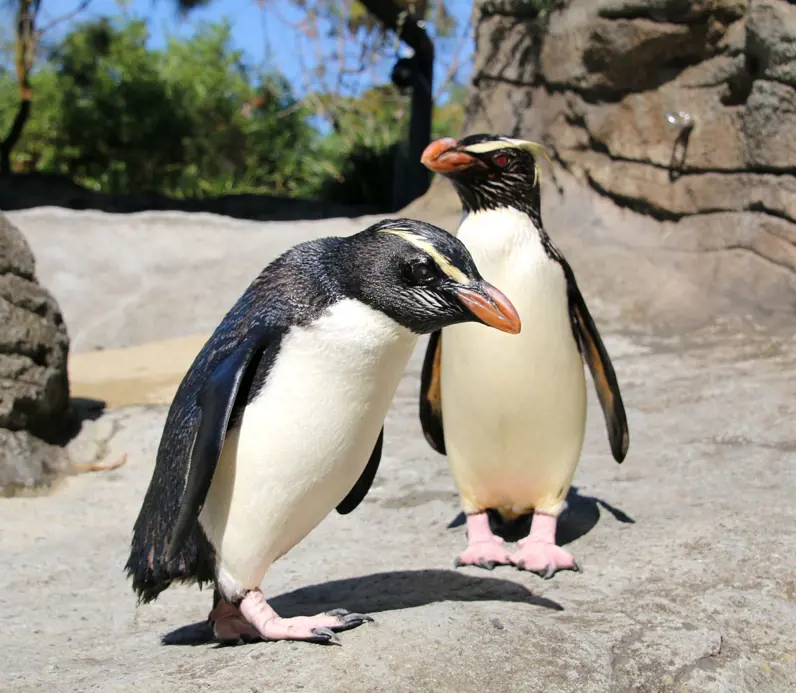
Eye spy with my red eye
Fiordland Penguins have incredible red eyes, although scientists are not exactly sure why.
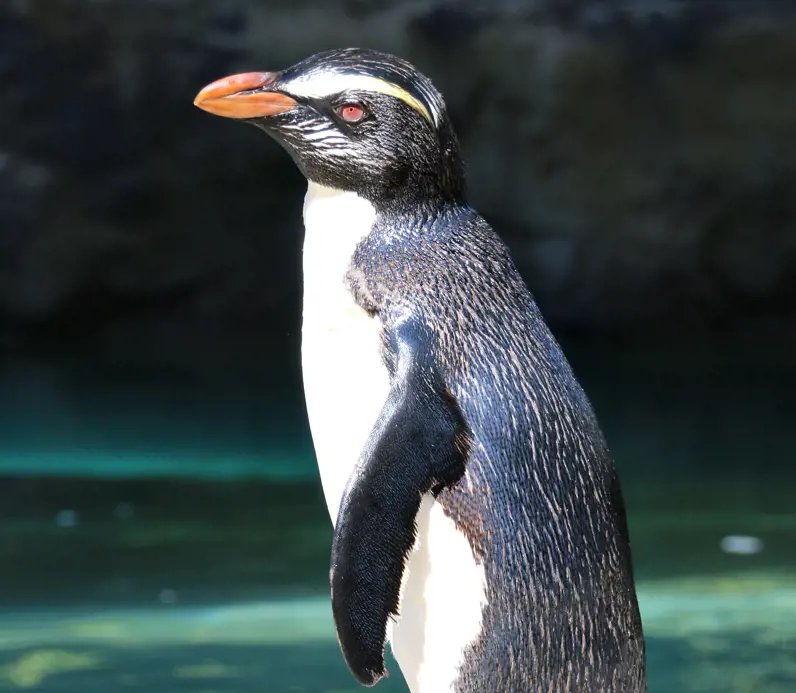
Superciliary stripes
The bold, yellow feathers above each eye are known as superciliary stripes and help to attract mates.
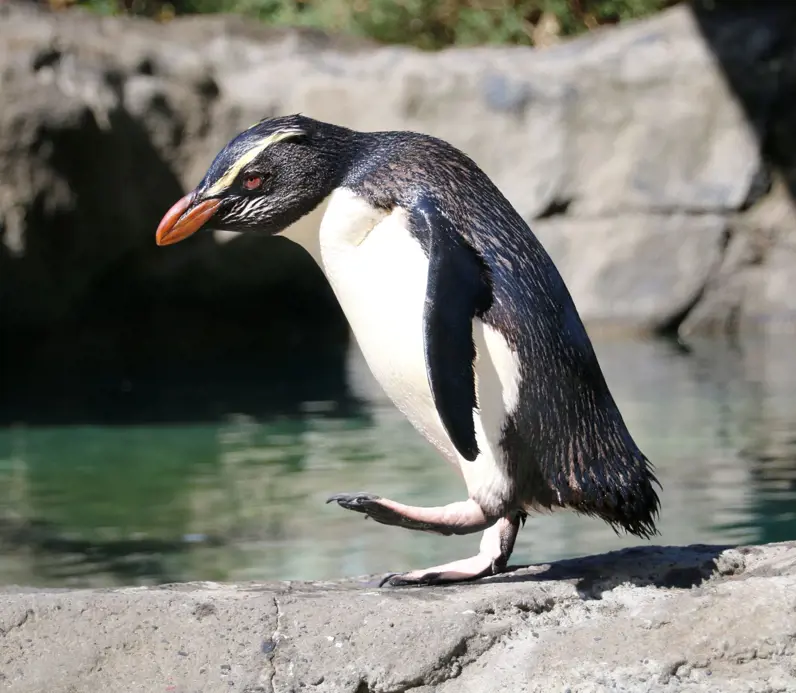
The first of their species
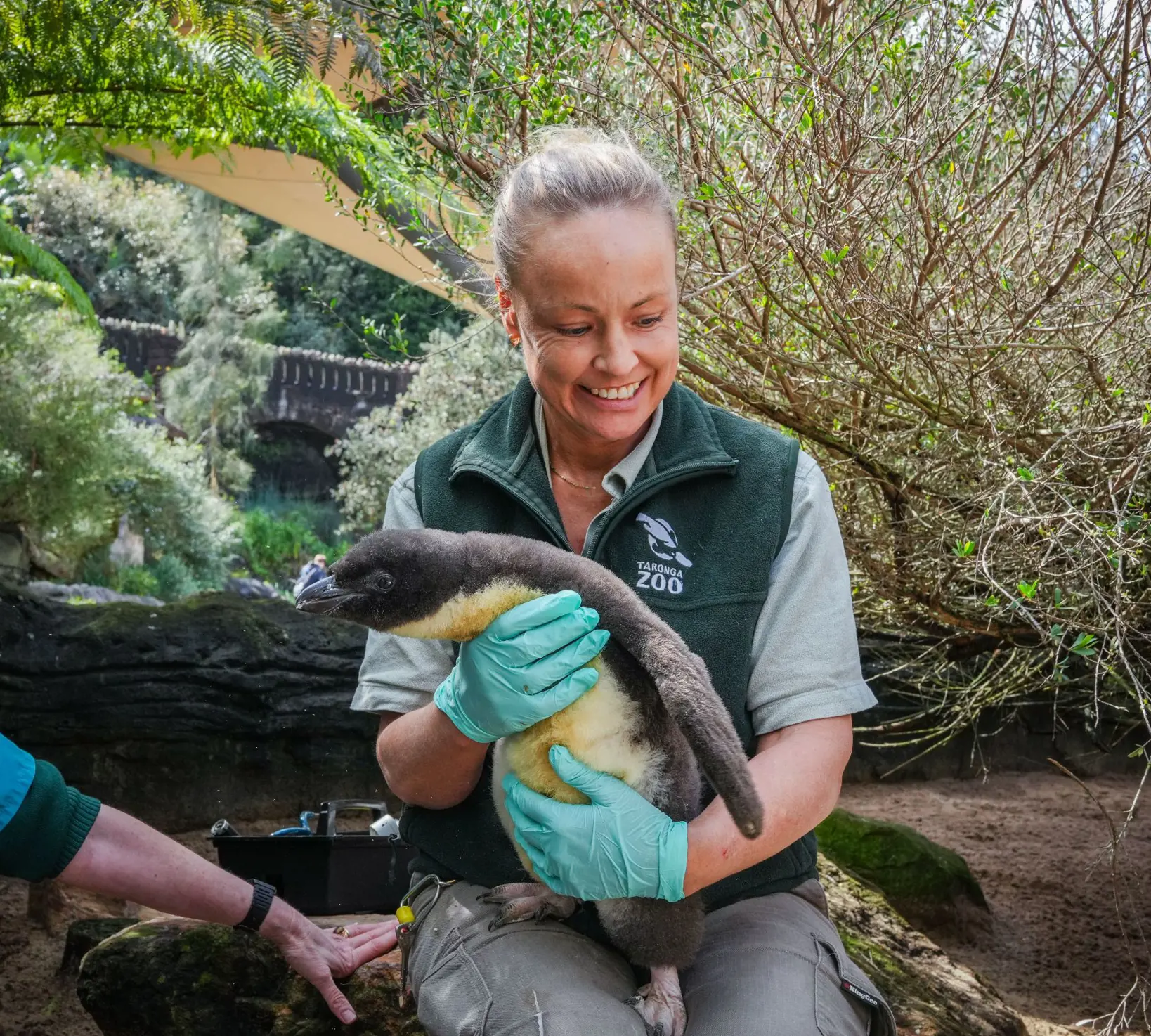
As the first of their species born at a Zoo, our growing chicks are helping build understanding of this rare penguin.
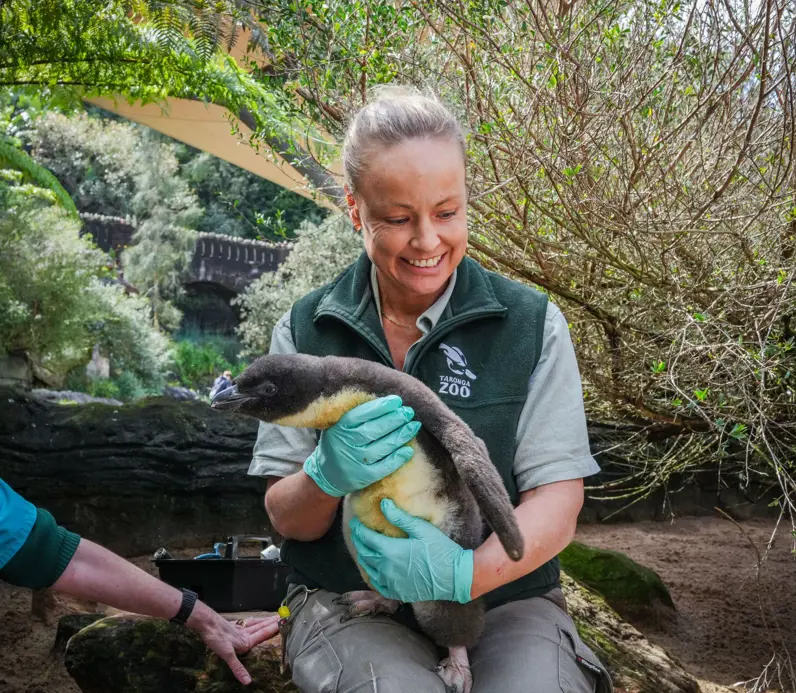
Countershaded camouflage
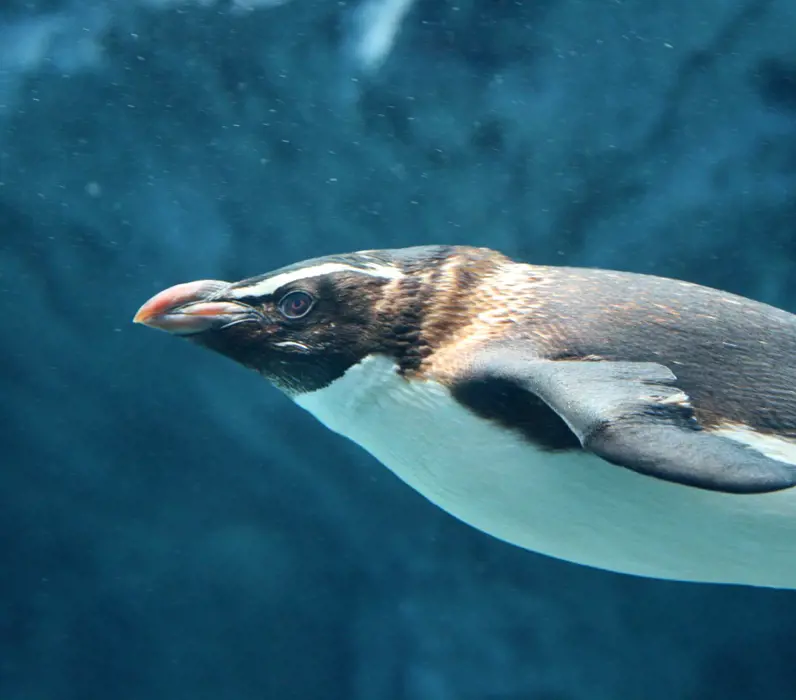
A dark back and light belly is called countershading, it camouflages them against sunlight above and dark water below.
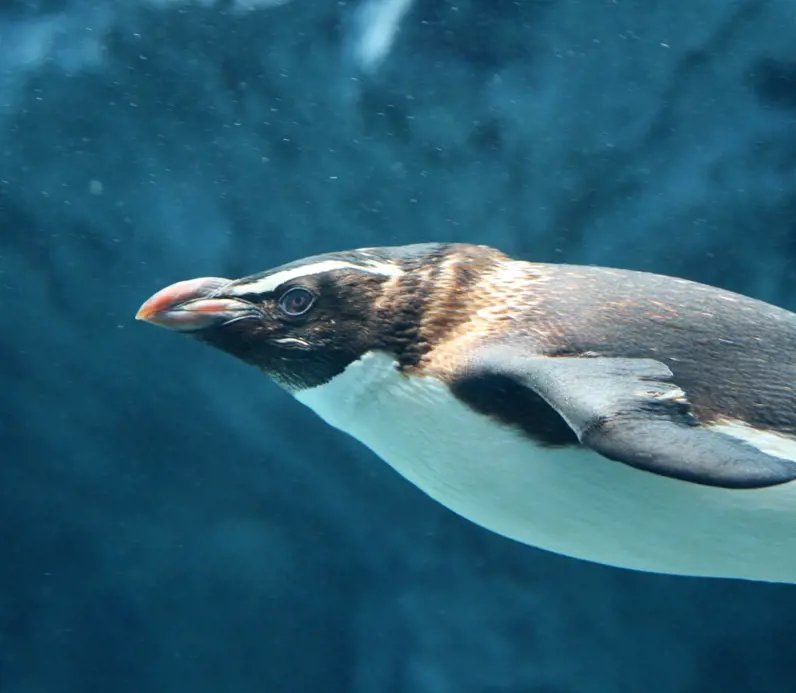
Flippin' good swimmers
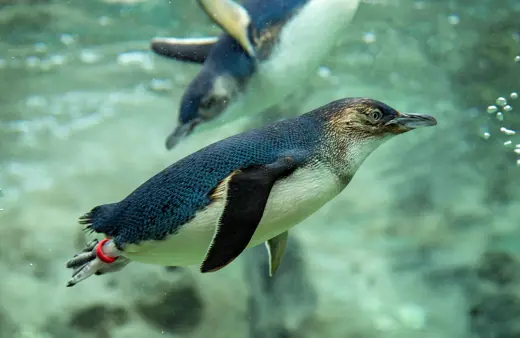
Penguin flippers are specialised wings used not for flight but to swim with ease.
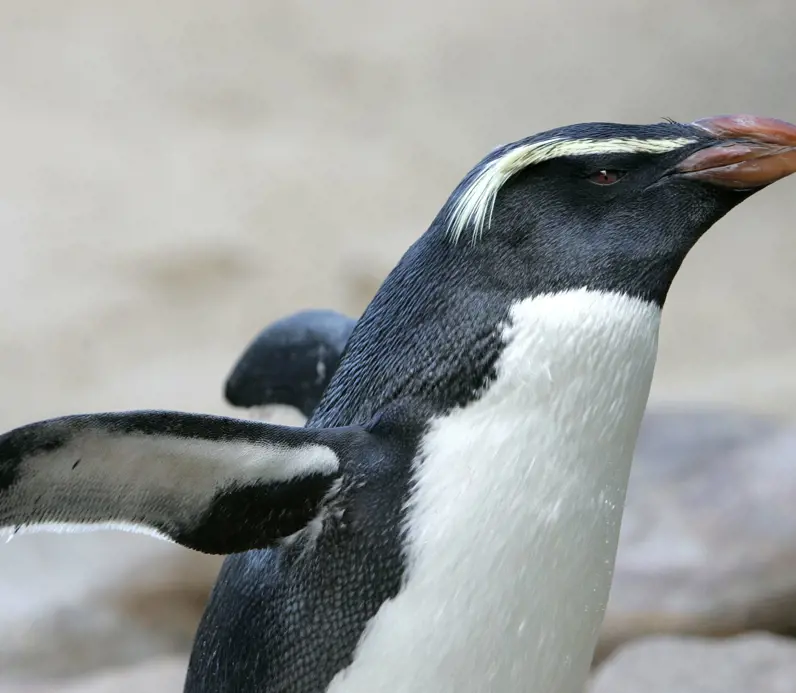
Cheeky warning
They have white stripes on each cheek that splay out when threatened.
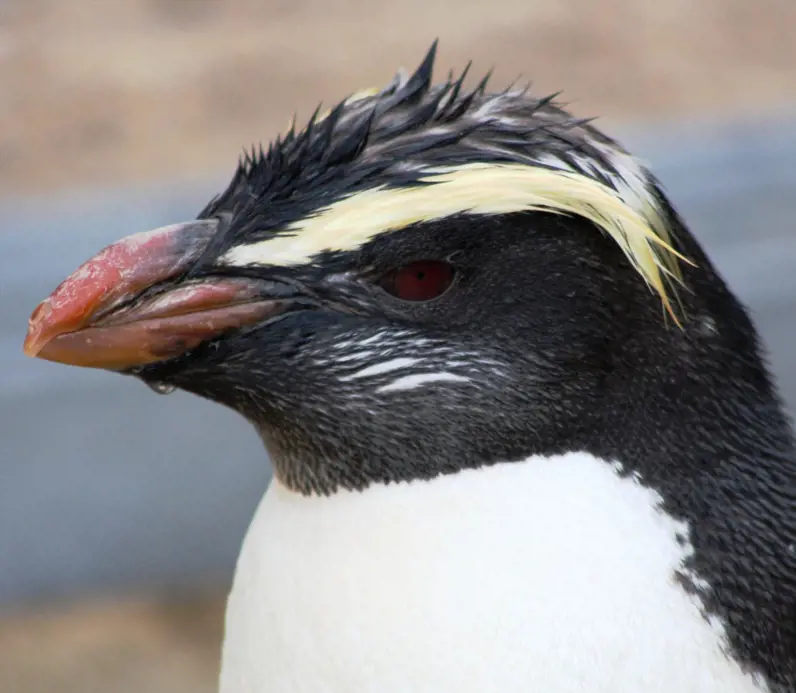
A species at risk
Around 2500-3000 breeding pairs remain in the wild.
Did you know?
Where they live

20yrs
What they eat
Where they're found

55cm

4kg

Mating

2 eggs
Before they hatch

25th April
Where they live
20yrs
What they eat
Where they're found
55cm
4kg
Mating
2 eggs
Before they hatch
25th April
Fiordland Penguin deep dive
Conservation status (IUCN)
Near Threatened
Penguins under Pressure
At sea, penguins face even more challenges. Both the overfishing and warming of our oceans is reducing food availability. Penguins are also extremely vulnerable to plastic pollution and litter, which they can mistakenly consume or become entangled in, which can prove fatal.
Reduce, reuse and save marine life
When you choose reusable items and say no to single-use plastic, it makes a world of difference to wildlife.