Adopt a Koala
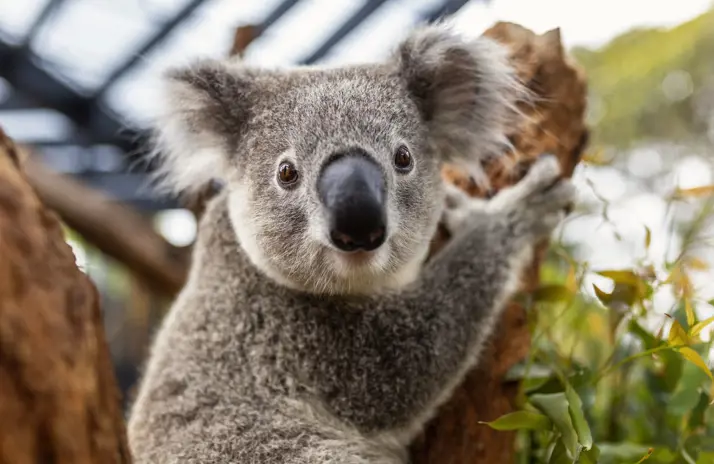
Adopt a Koala and become a Zoo Parent to help protect these iconic Australian animals in the wild for future generations.
Scientific namePhascolarctos cinereus
Conservation status (IUCN)
Vulnerable
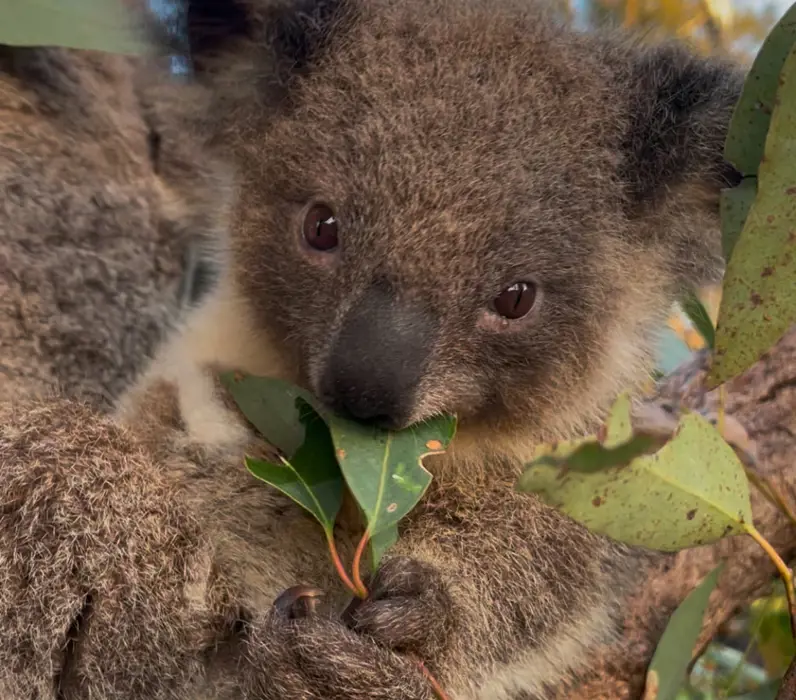
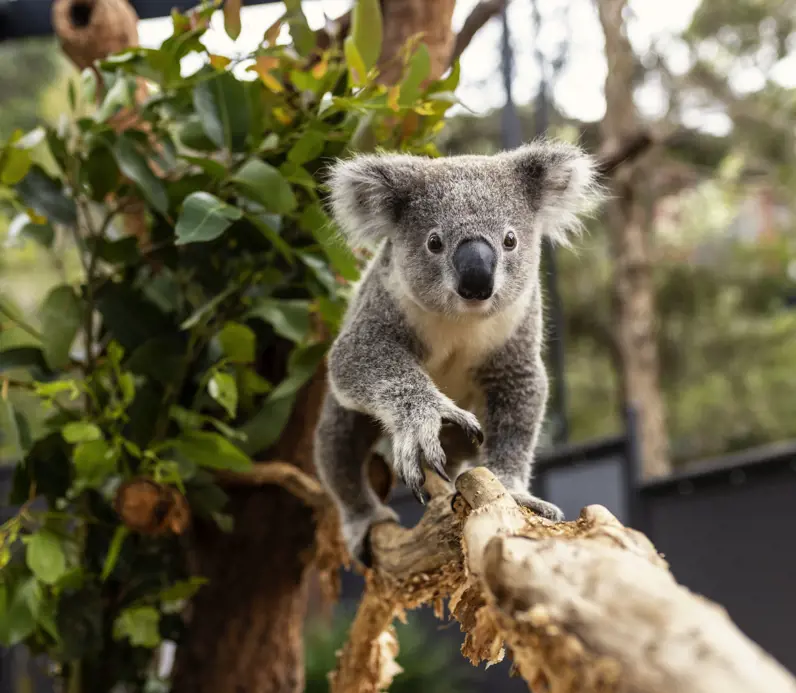
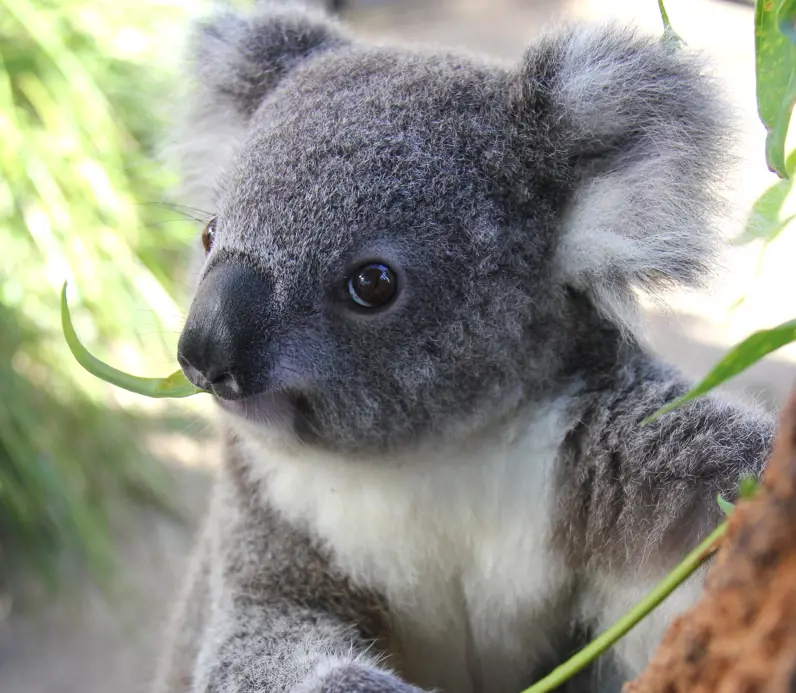
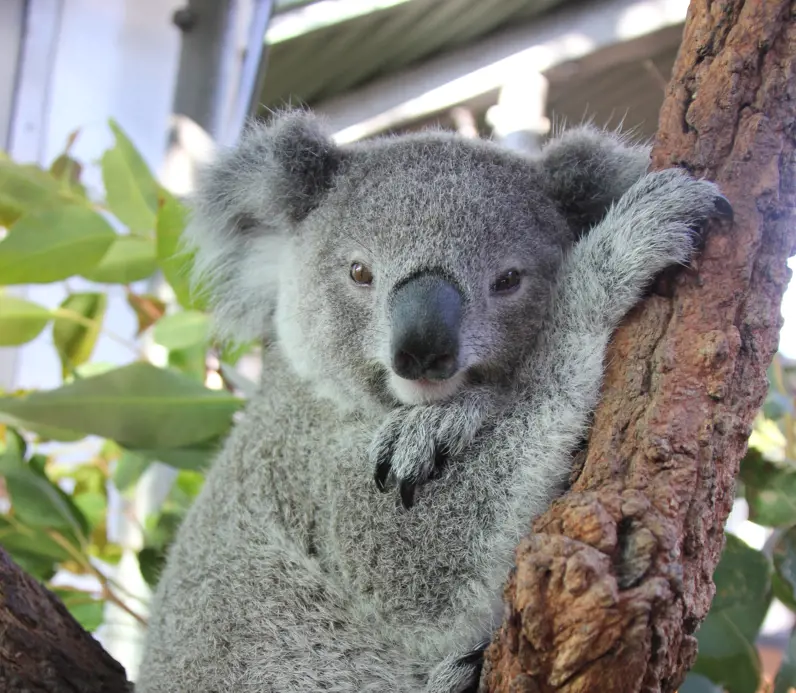
Koalas (gulamany in Sydney First Language) are recognised around the world as a unique Australian icon. They hold an important place in Aboriginal culture through shared stories, dance, and rock art, and today serve as a key ambassador for habitat preservation.
See Koalas in Nura Diya, our Australian habitat.
11:00am - 12:55pm
2:30pm
9:30am
We bet you didn't know these facts about these iconic Australian animals.

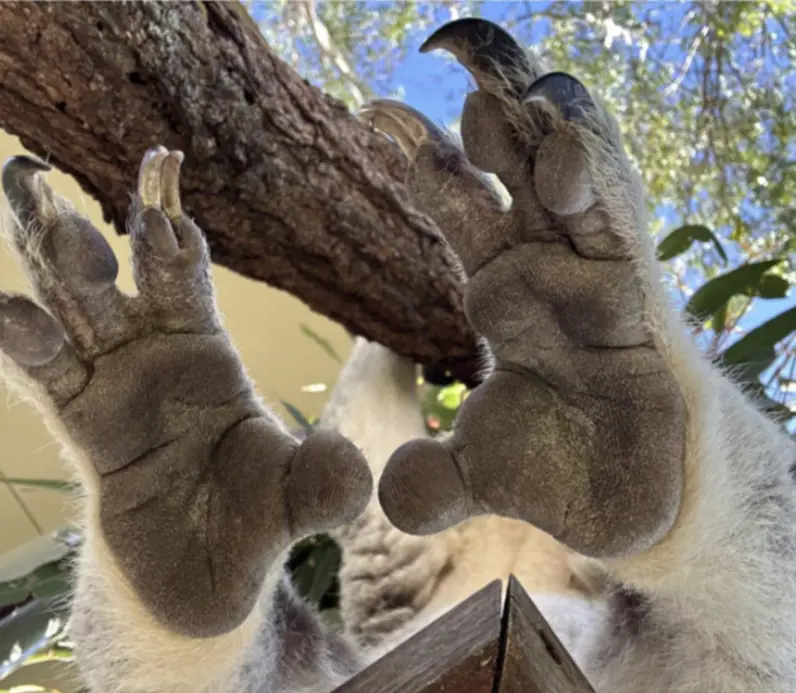
Scroll across to reveal Koala facts.
Conservation status (IUCN)
Vulnerable
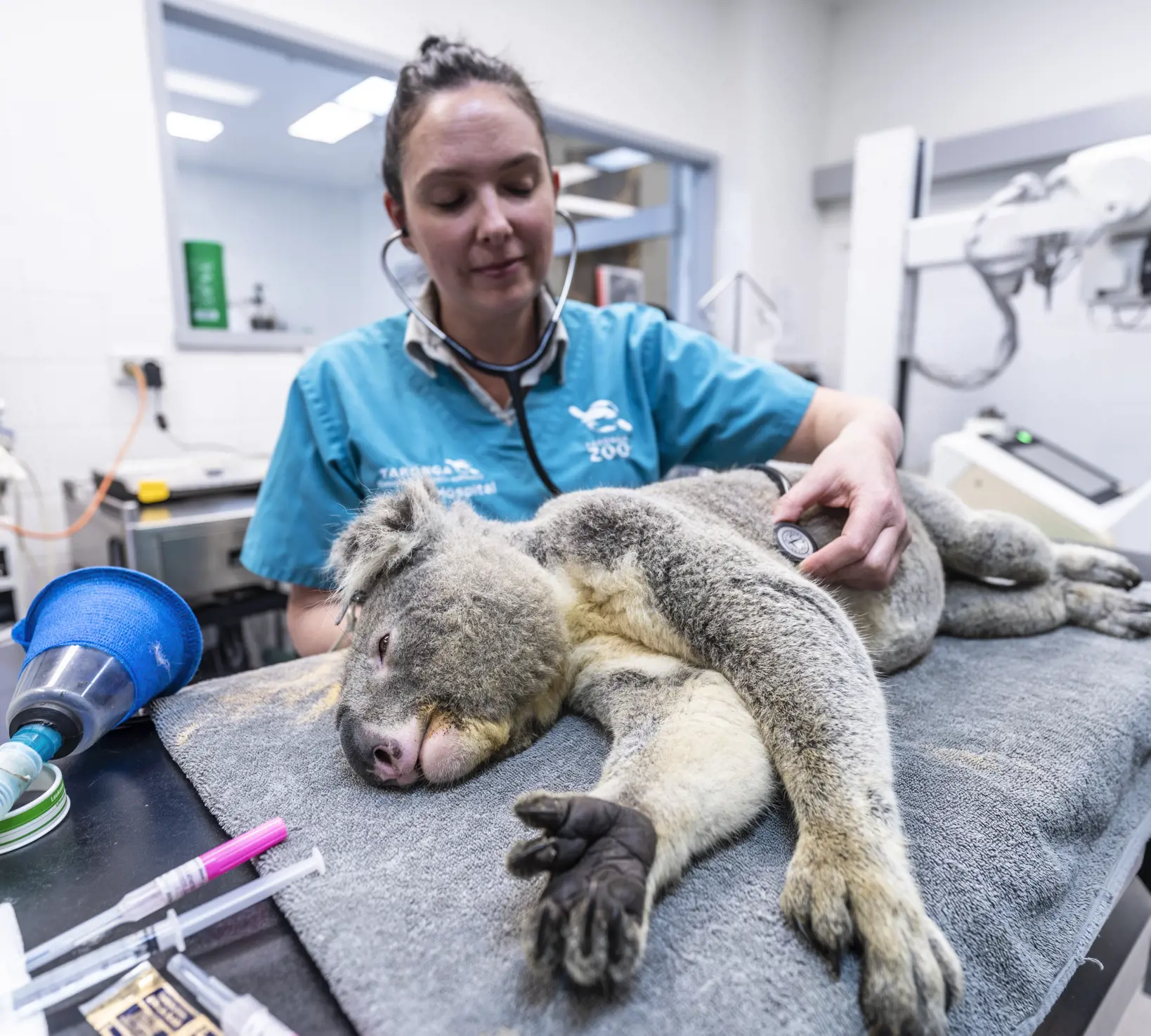
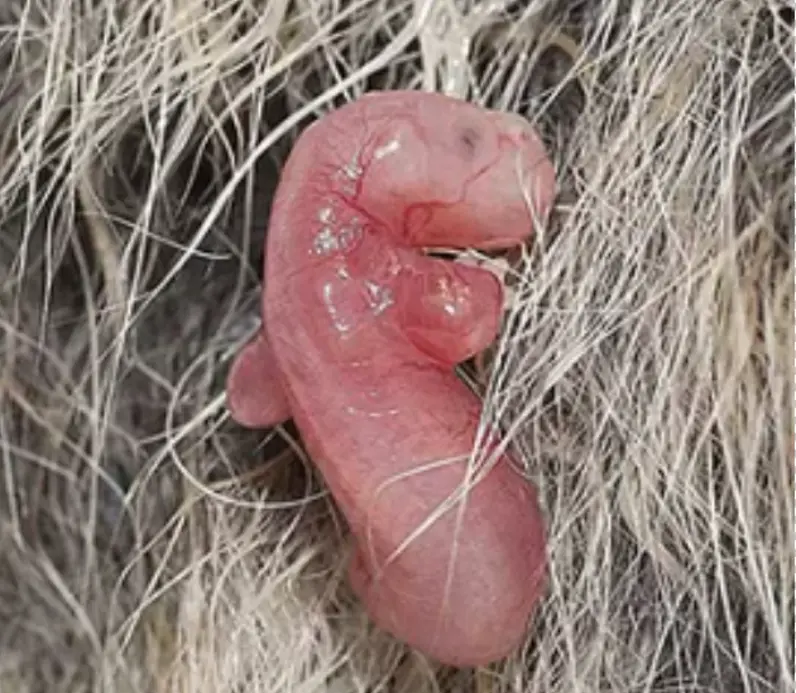
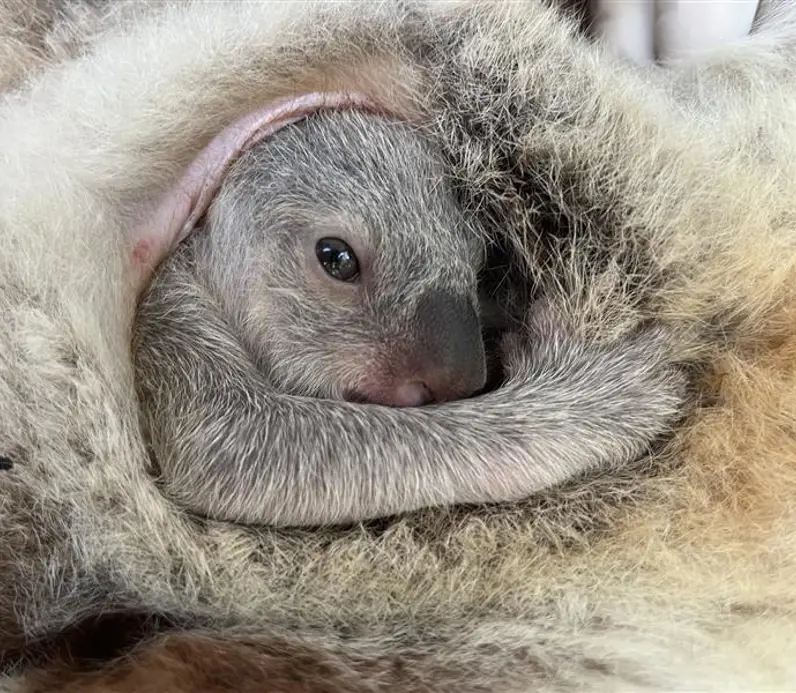
Taronga hosts the species breeding program for Koalas through the Zoos and Aquarium Association (ZAA). We work with experts across Australasia to manage animal populations, not just to breed, but also support important husbandry knowledge, safeguarding this species for the future.
Discover educational resources for Kindergarten to year 6!
Adopt a Koala and become a Zoo Parent to help protect these iconic Australian animals in the wild for future generations.
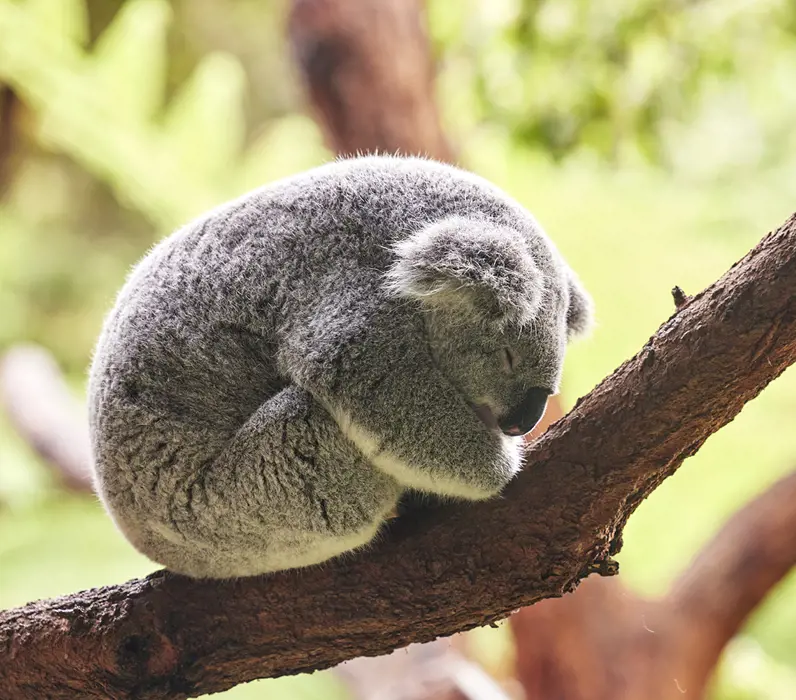
Meet one of Australia’s most iconic animals up close at Taronga Zoo Sydney and learn how Koalas sleep, feed and survive in the wild.

Wake up with Koala's outside your window while relaxing in stylish, comfortable accommodation at the Wildlife Retreat at Taronga, with immersive wildlife experiences and views across Sydney Harbour.