Stage
Stage 6
S6
Sydney
Science
Summary
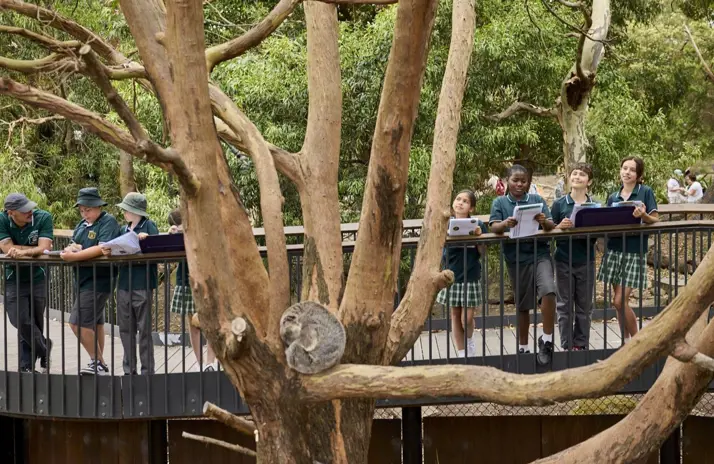
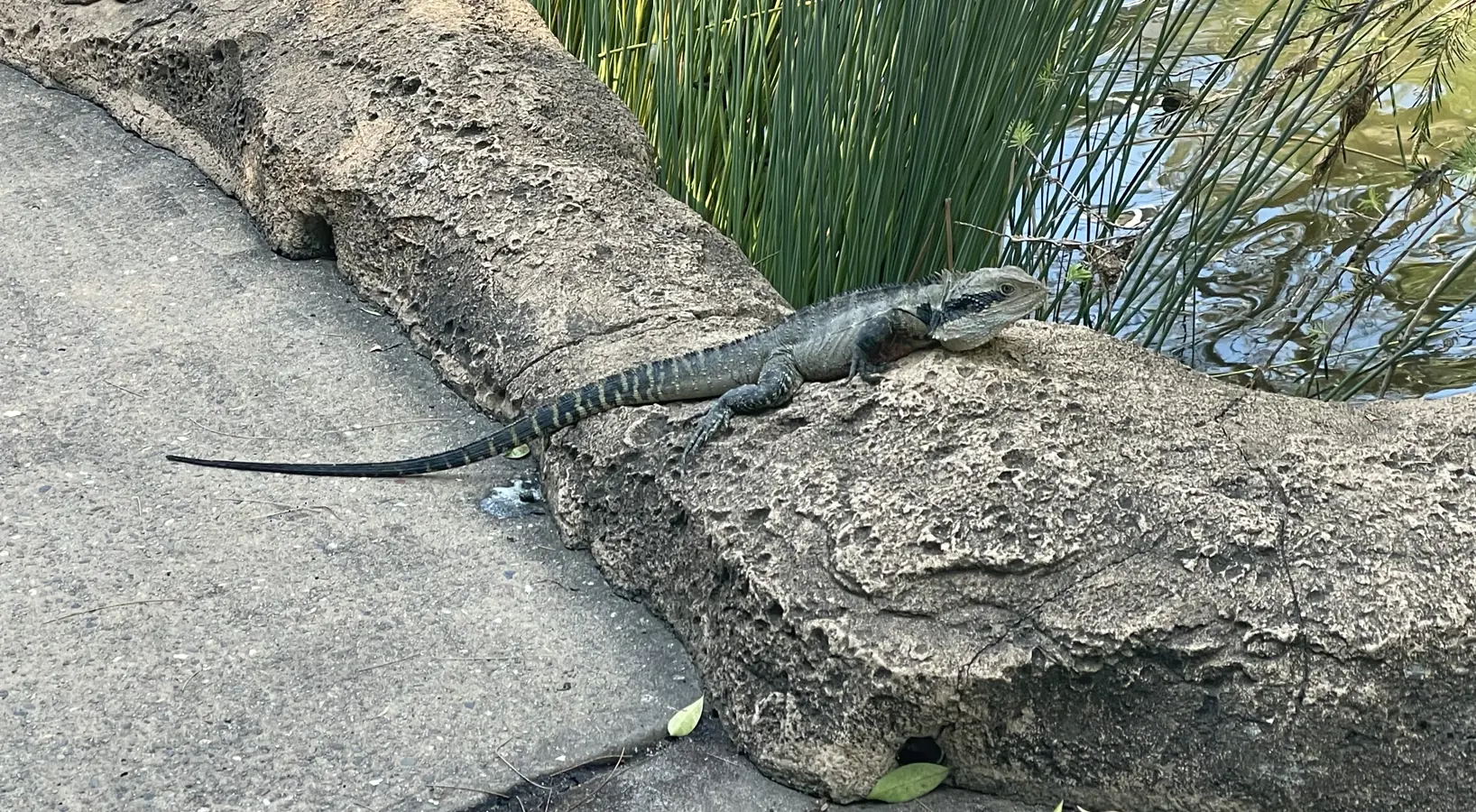
During this depth study, students will investigate the factors that influence the abundance and distribution of wild Eastern Water Dragons within Taronga Zoo’s grounds. Through a range of fieldwork techniques, students will collect first-hand data on biotic and abiotic factors, including a belt transect, quadrat sampling, invertebrate surveys, water quality testing, soil analysis and atmospheric measurements. Students will then analyse their data to evaluate how habitat characteristics and human modifications to the environment can influence ecosystem dynamics and the carrying capacity of local water dragon populations.
This authentic scientific investigation provides an opportunity to apply key ecological concepts
Stage:
Stage 6 – Year 11 Biology
|
Outcomes |
Content |
|
BI-11-03 |
analyses the relationships between organisms and their environment using the theory of evolution by natural selection |
|
BI-11WS-01 Working Scientifically Questioning and predicting |
develops and evaluates questions and hypotheses for scientific investigations |
|
BI-11WS-02 Working Scientifically Planning scientific investigations |
designs and evaluates scientific investigations |
|
BI-11WS-03 Working Scientifically Conducting scientific investigations |
conducts scientific investigations to collect data and information |
|
BI-11WS-05 Working Scientifically Analysing data and information |
analyses and evaluates primary and secondary data and information |
|
BI-11WS-06 Working Scientifically Problem-solving |
uses scientific processes to solve scientific problems |
|
BI-11WS-07 Working Scientifically Communicating |
communicates scientific arguments using evidence, scientific language and terminology for a specific audience |
Taronga Education is dedicated to providing inclusive and accessible learning experiences for all students. Our aim is to support every student’s participation and engagement in our workshops, and we would be happy to discuss any reasonable adjustments for your students. Please contact our education team with any queries you might have.
A 3.5 hour fieldwork experience including:
Download the learning resource for this workshop.
Workshops are available:
Submit a booking request to book this workshop. A member of our Education Team will be in touch to confirm your booking.