Back from the brink of extinction – the great Christmas Island blue-tailed skink comeback
A major conservation mission led by Parks Australia, with support from Taronga Conservation Society Australia, has seen 545 Christmas Island blue-tailed skinks released on Horsburgh Island in the Cocos (Keeling) archipelago, helping secure the future of one of the world's rarest reptiles.
Posted on 21 Sept 2026 by Media Release
A major conservation mission led by Parks Australia, with support from Taronga Conservation Society Australia, has seen 545 Christmas Island blue-tailed skinks released on Horsburgh Island in the Cocos (Keeling) archipelago, helping secure the future of one of the world's rarest reptiles.
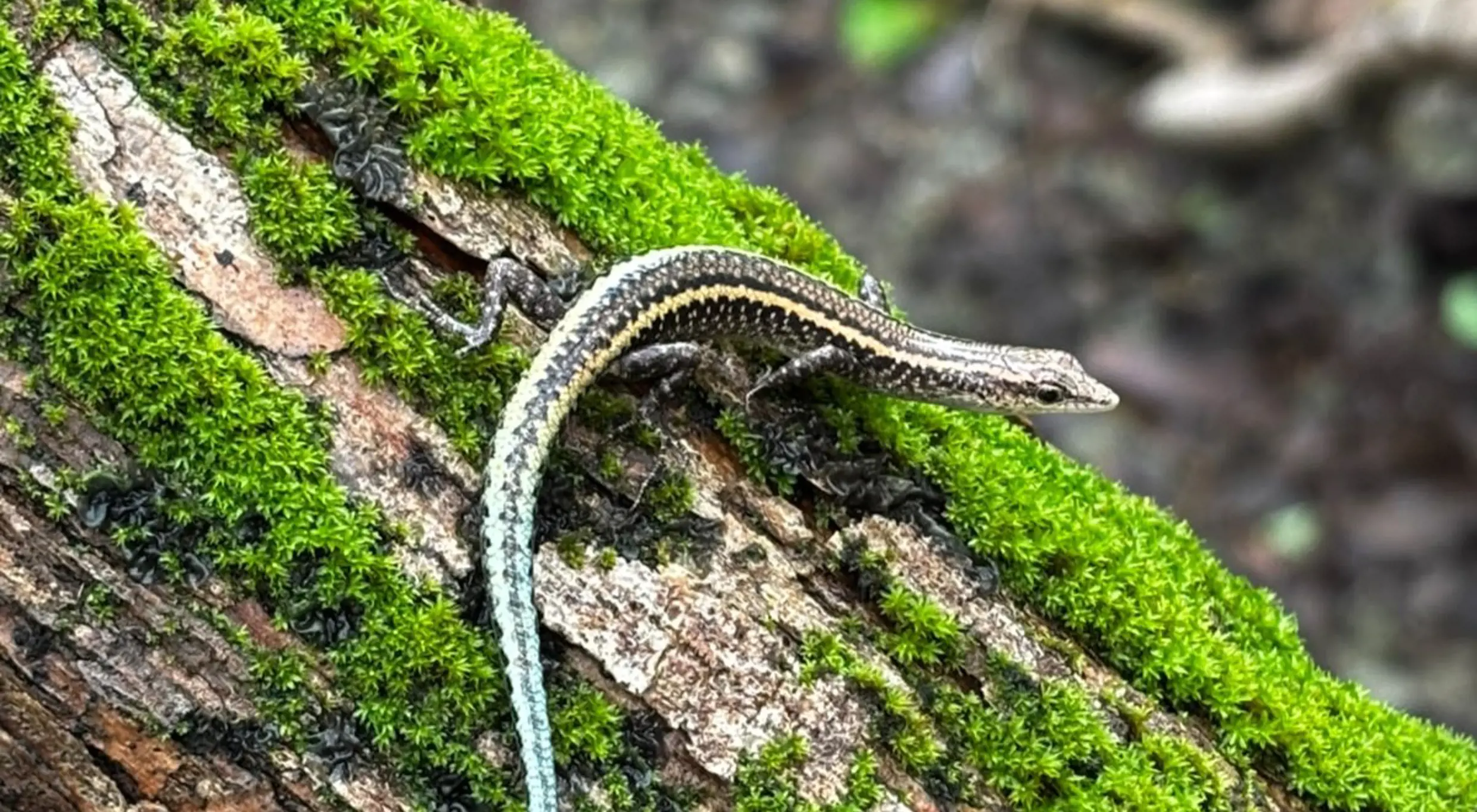
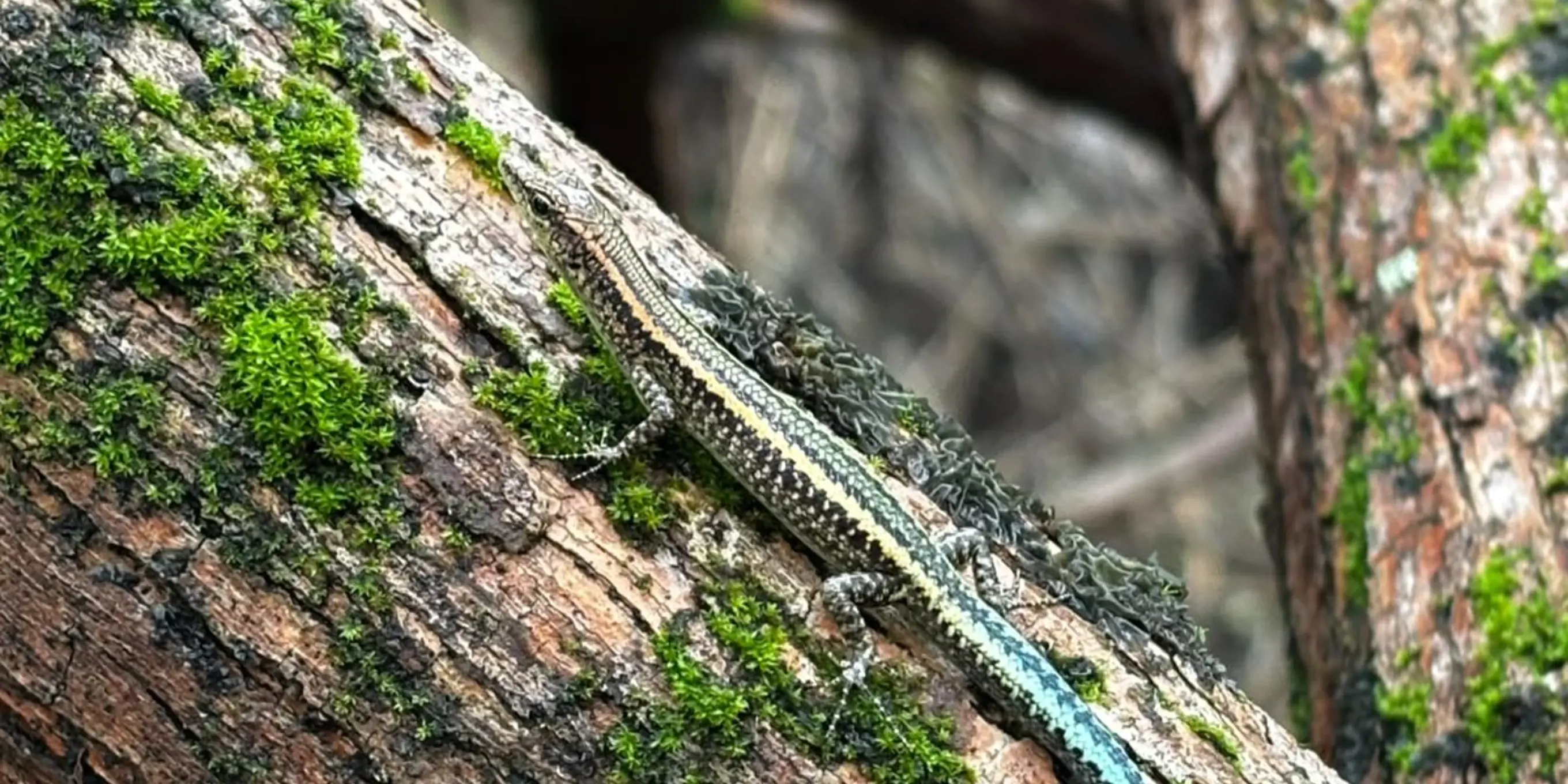
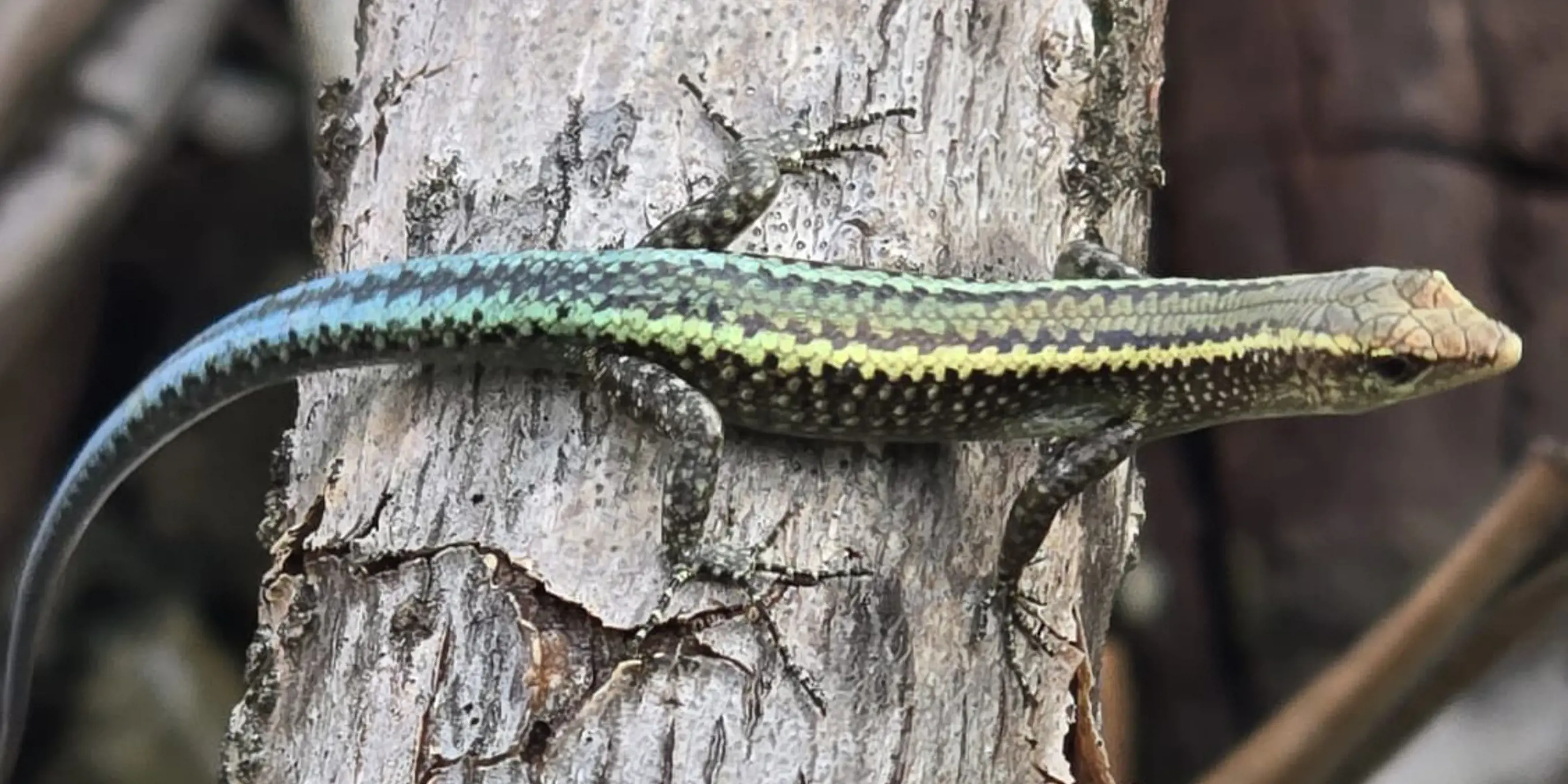
The Christmas Island blue-tailed skink is a small insect-eating reptile, growing to just 10 to 12 centimetres long and easily recognised by its dark striped body and distinctive bright blue tail. Once found only on Christmas Island, the Critically Endangered species is now making a remarkable recovery through conservation efforts.
The release on Horsburgh Island, in the remote Cocos (Keeling) Islands nearly 3,000 kilometres north-west of Perth, marks the third wild population established and a significant milestone in a long-term recovery program that began after the species was driven to extinction in the wild on Christmas Island by invasive predators. It is the culmination of more than 16 years of collaboration between Parks Australia and Taronga to save the Christmas Island blue-tailed skink from extinction.
In 2010, Parks Australia staff at Christmas Island National Park rescued 66 individuals before they disappeared from the wild. These skinks became the founders of vital insurance populations, with one population on Christmas Island and the other transferred to Taronga Zoo Sydney to safeguard the species against complete extinction.
Shortly after the rescue operation, the remaining wild population on Christmas Island disappeared due to predation by introduced species, including the wolf snake. The Christmas Island blue-tailed skink was subsequently declared Extinct in the Wild.
Since then, Taronga's conservation breeding program has played a critical role in securing the species' future by maintaining genetic diversity, growing the population, and breeding individuals for reintroduction to the wild.
In 2019 and 2020, Parks Australia and Taronga established wild populations on the small tropical islands of Pulu Blan and Pulu Blan Madar in the Cocos (Keeling) archipelago. Today, each island supports an estimated 4,000 to 5,000 skinks which is a great measurement of the success of the recovery program.
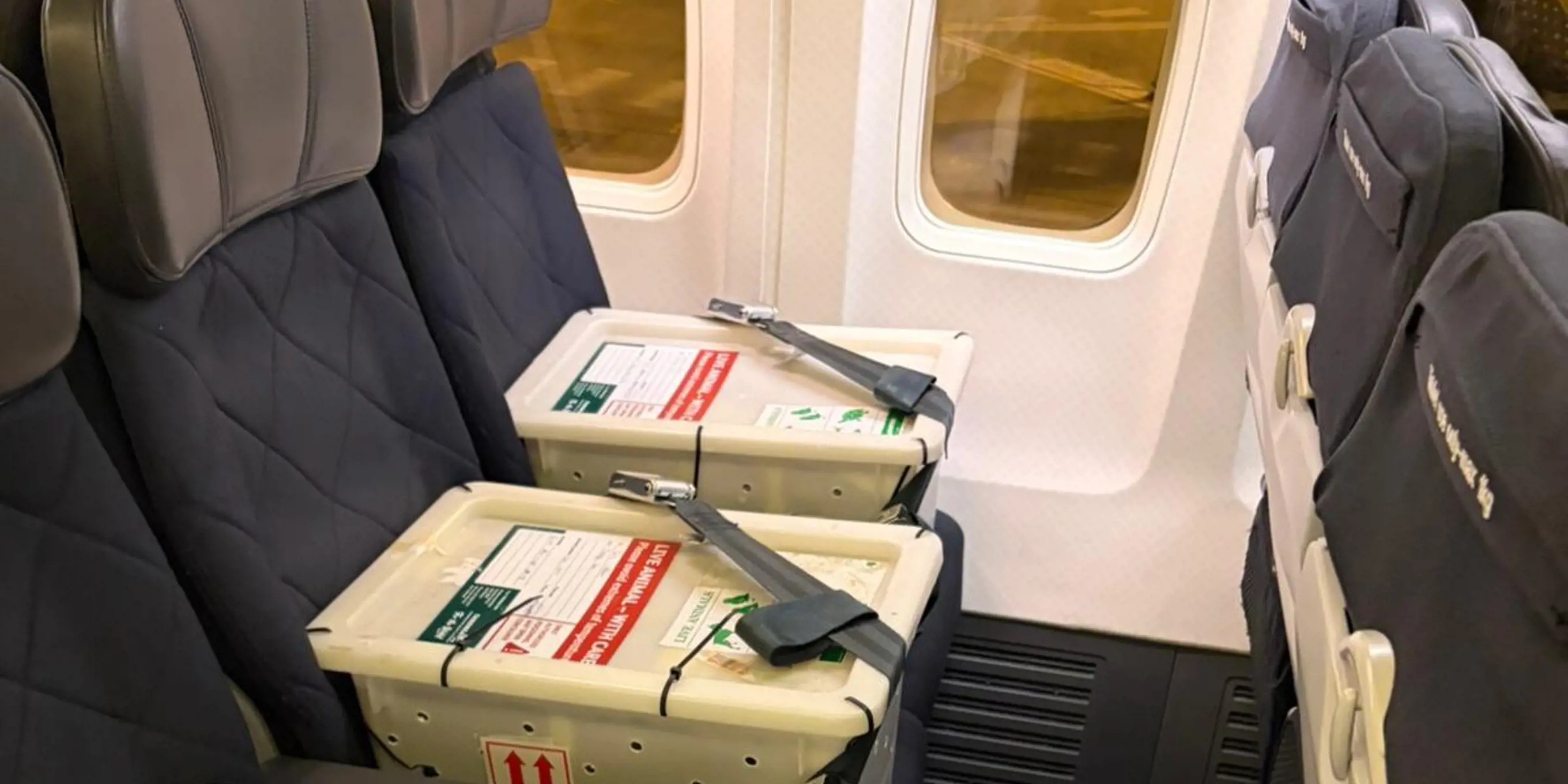
Escorted by Taronga's Herpetofauna Keepers, 123 skinks travelled from Taronga Zoo Sydney by air, road and sea to the Cocos (Keeling) Islands, where they joined animals from Christmas Island, Pulu Blan and Pulu Blan Madar for the release of a total of 545 skinks onto Horsburgh Island.
Horsburgh Island is around 50 times larger than either Pulu Blan or Pulu Blan Madar, providing the potential to support a much larger and more resilient population. Establishing a third wild population will further safeguard the species against threats such as disease, extreme weather events and climate change, while strengthening its long-term prospects for survival.
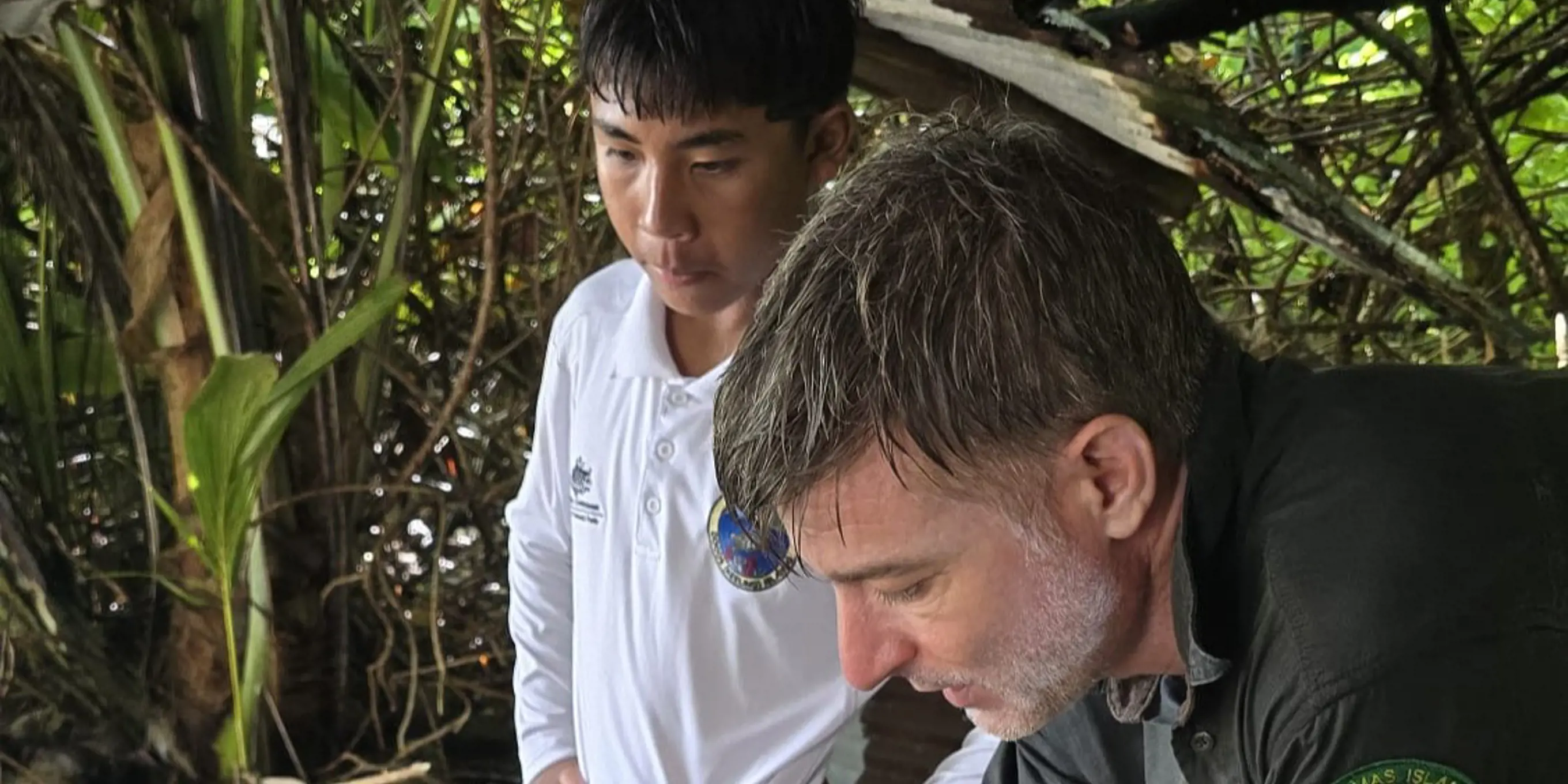
The wild release of blue-tailed skinks to Horsburgh Island was led by Parks Australia and Taronga Conservation Society Australia, with support from the Shire of Cocos (Keeling) Islands, the Cocos community and Qantas.
“The establishment of a blue-tailed skink population on Horsburgh Island is the largest translocation we’ve attempted.
“Horsburgh Island is much bigger than either Pulu Blan or Pulu Blan Madar. This bigger island gives the species a chance to establish a larger population, which promotes greater genetic diversity and greater resilience in the species.” Christmas Island National Park, Natural Resource Manager, Brendan Tiernan.
“This release is a conservation milestone which builds on the success of previous smaller translocations and will significantly increase the population capacity for the Christmas Island blue-tailed skink to the point where it should be relatively self-sustaining.
“This is testament to years of collaborative science between Parks Australia and Taronga Conservation Society, to secure a future and halt the extinction of this stunning species.” Taronga Conservation Society Australia, Manager Population Development and Welfare, Claire Ford.
Media Relations
Taronga Conservation Society Australia
Taronga Conservation Society Australia is a leader in the fields of conservation, research, animal welfare, wildlife rehabilitation and environmental education.
Taronga is a not-for-profit organisation with an absolute commitment to conservation and securing a shared future for wildlife and people.
Say hi