Western Lowland Gorilla
Scientific nameGorilla gorilla gorilla
Conservation status (IUCN)
Critically Endangered
Gorillas are the largest living primates and crucial for their rainforest ecosystems, but human impact is pushing these gentle giants to the brink of extinction.
Sydney
Visitor tips for Sydney
Gorillas can be seen at Map Ref. 10G
Most active
The troop are also most active in the morning and late afternoon
12.10 pm
Keeper Talk
Fast facts about Gorillas
We bet you didn't know these facts about these gentle primates.

Tap the icons
Scroll across and tap the icons to reveal info on Gorillas.
On the move
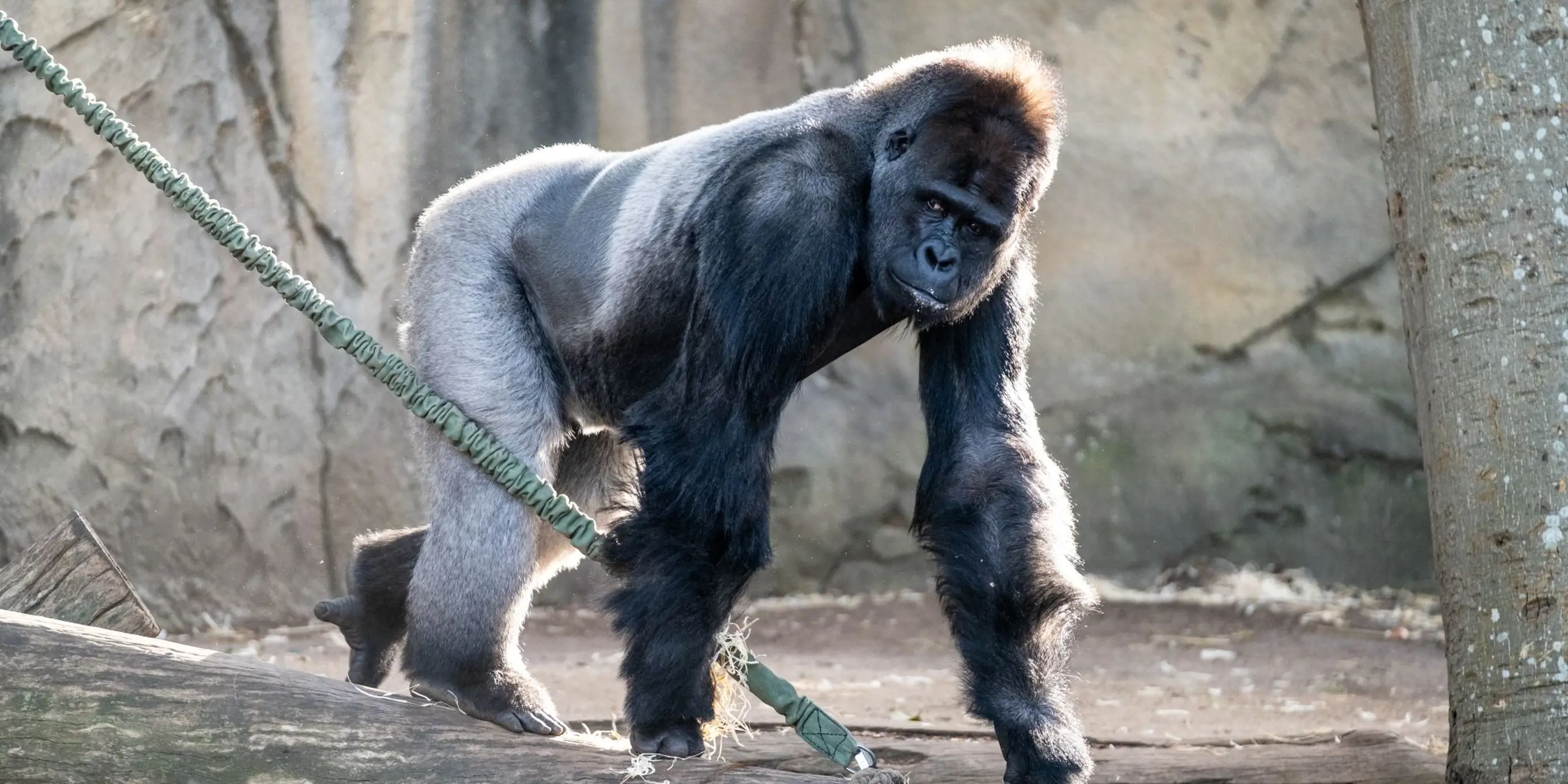
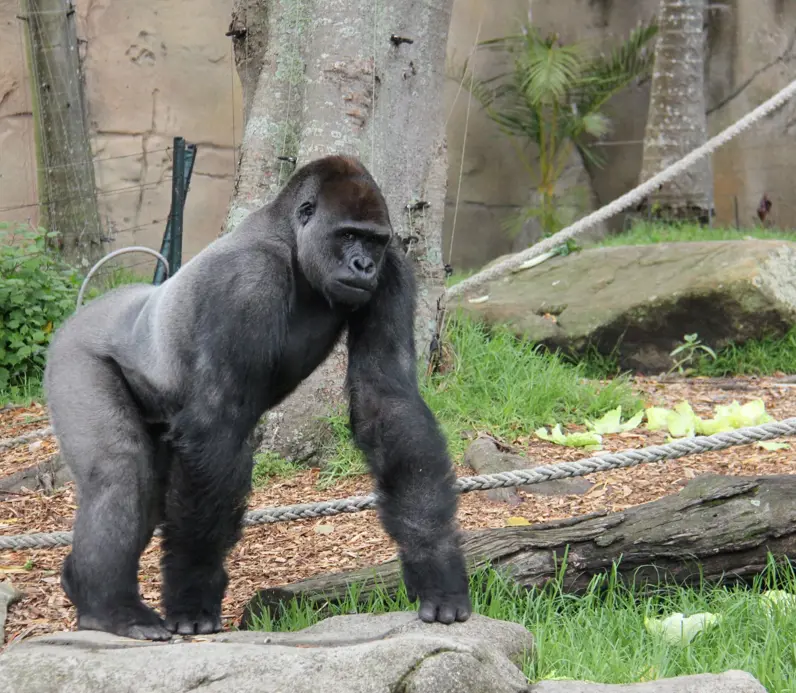
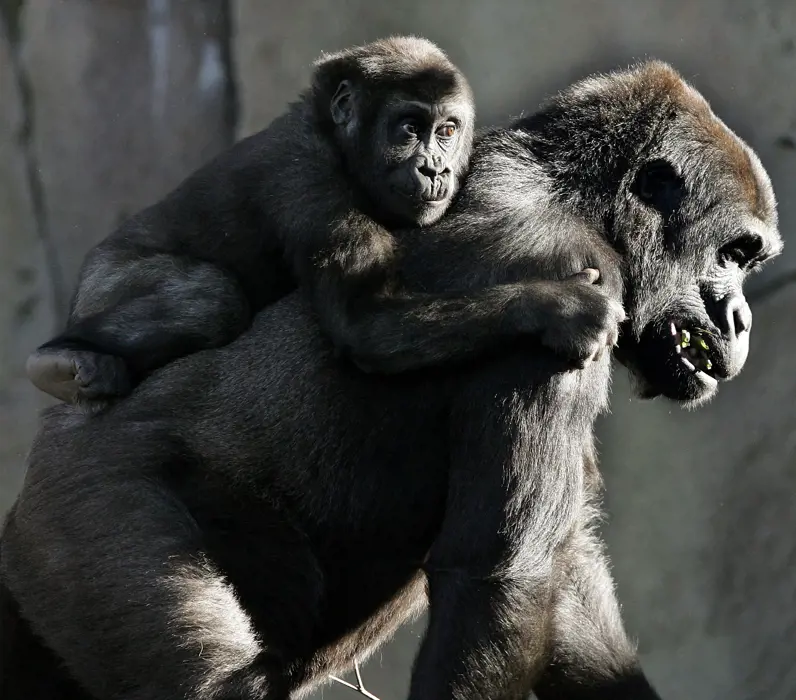
Gorillas get around by knuckle-walking on all fours, though they walk upright for short distances
Meet the Silverback
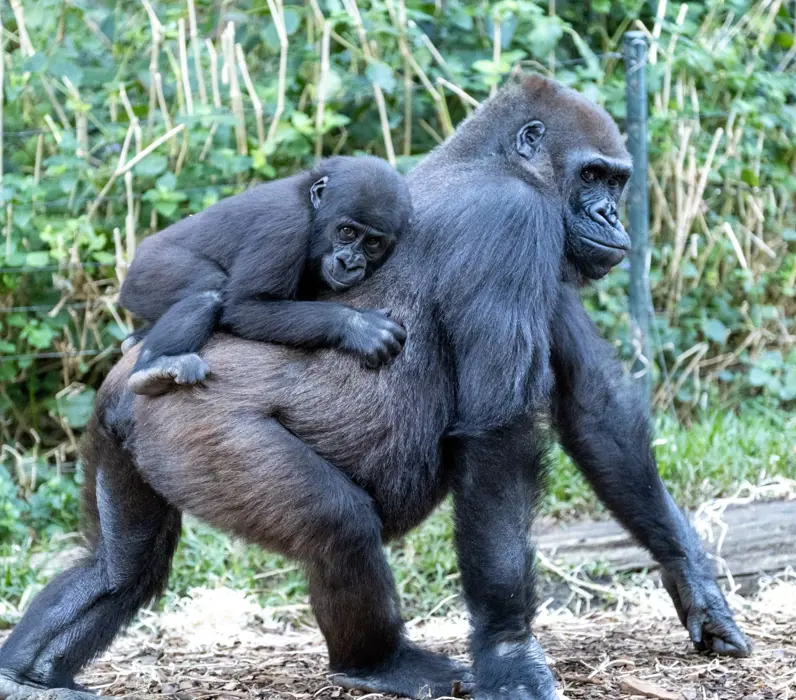
Troops are led by a mature male called a Silverback, named for their grey hairs. Silverbacks are responsible for leading, protecting and defending the group.
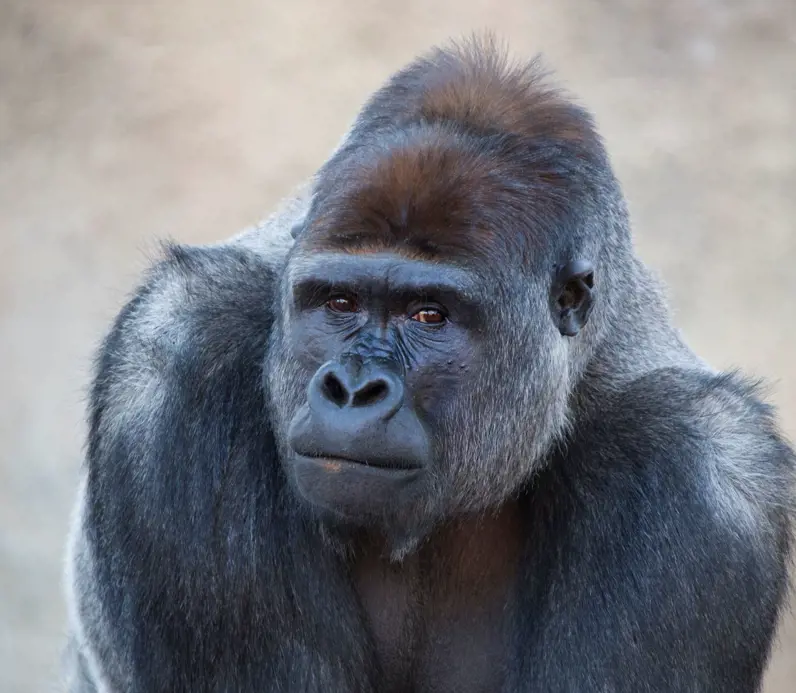
Food critics
Gorillas are picky feeders, spending a quarter of their day eating vegetation
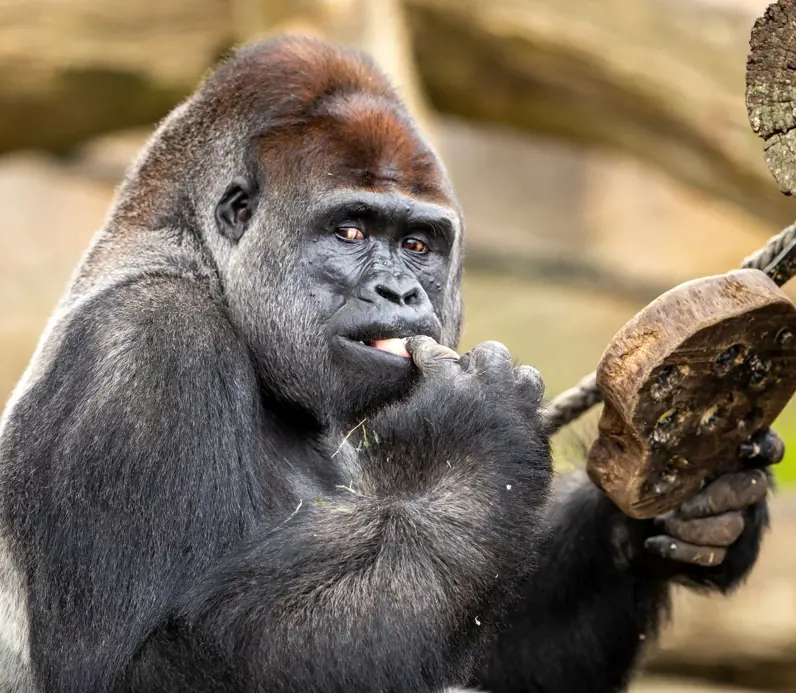
Growing pains
Gorillas take around 12 years to become fully grown
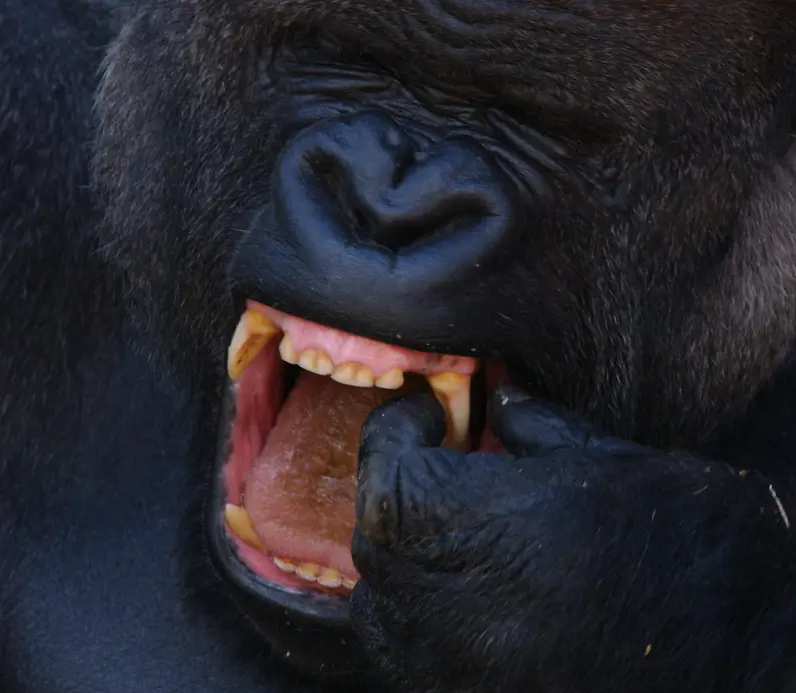
Sharp smiles
Unusual for a herbivore, gorillas have large, sharp canines which they use for display and defence
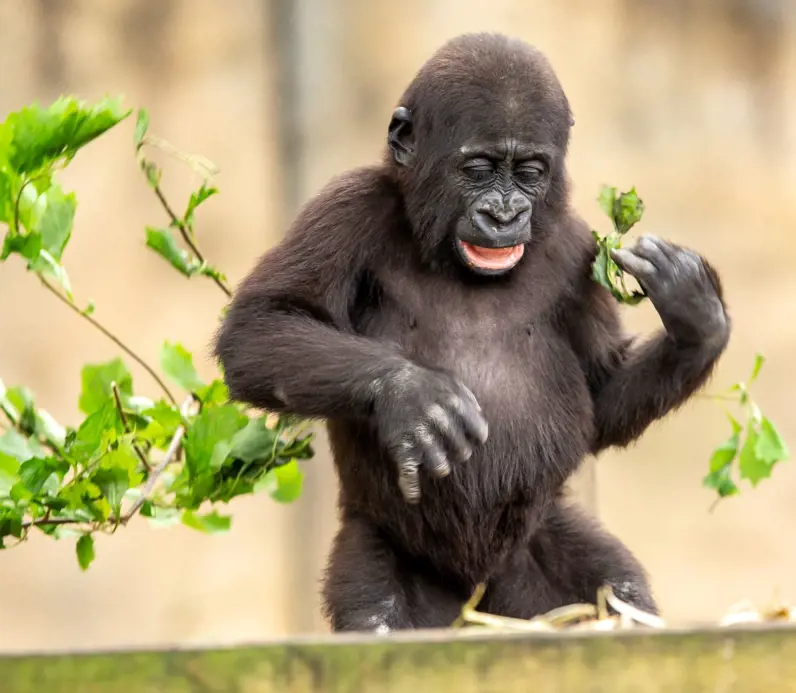
Small but mighty
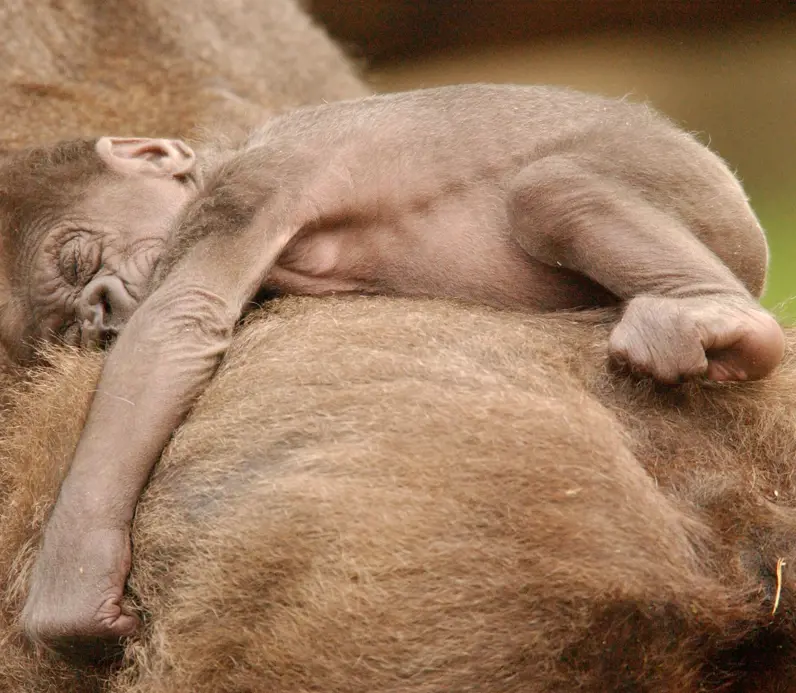
Newborn gorillas are born weighing around 1.5-2kg, smaller than a human baby
Did you know...

35yrs
is a typical lifespan in the wild, or up to 50 years in Zoos.
Where they live
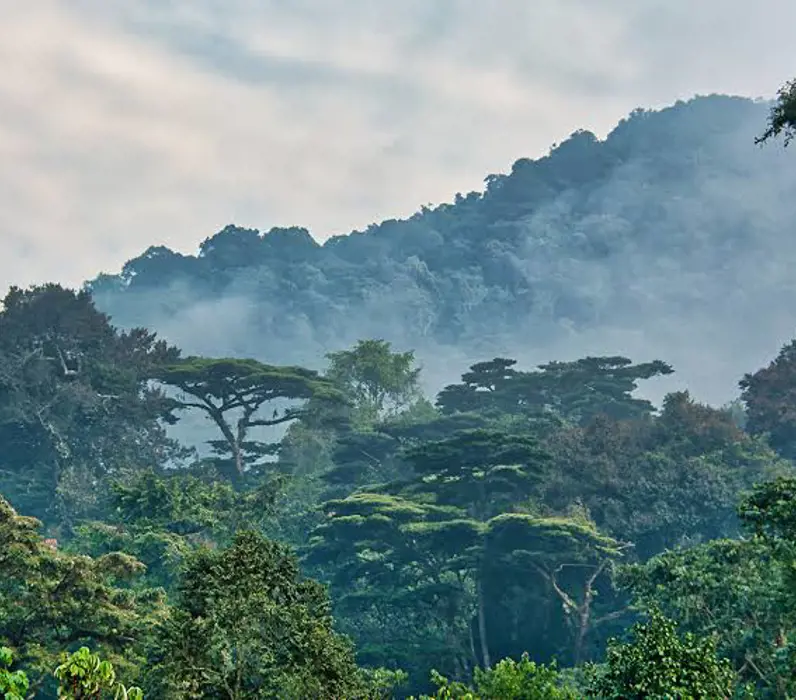
Tropical and montane rainforests

70-180kg
is the weight of an adult Gorilla, with Silverbacks reaching up to 225kg
What they eat
Gorillas are herbivores, eating mostly fruits, herbs, leaves, and sometimes invertebrates
Where they're found
West African nations of Gabon, Equatorial Guinea, Cameroon, Central African Republic, Congo, and Angola

120-180cm
is the height of an adult gorilla
8.5 months
is their usual gestation period
300,000
Gorillas remain in the wild
35yrs
is a typical lifespan in the wild, or up to 50 years in Zoos.
Where they live
Tropical and montane rainforests
70-180kg
is the weight of an adult Gorilla, with Silverbacks reaching up to 225kg
What they eat
Gorillas are herbivores, eating mostly fruits, herbs, leaves, and sometimes invertebrates
Where they're found
West African nations of Gabon, Equatorial Guinea, Cameroon, Central African Republic, Congo, and Angola
120-180cm
is the height of an adult gorilla
8.5 months
is their usual gestation period
300,000
Gorillas remain in the wild
Species management programs
Taronga contributes to an Australasian Species Management Program and/or international breeding program for this species. This helps maintain healthy and resilient zoo-based animal populations by preserving genetic diversity, supporting animal husbandry knowledge, and ensuring exceptional animal welfare, safeguarding the species for the future.
Conservation status (IUCN)
Critically Endangered
Saving the Silverbacks
With less than 300,000 Western Gorillas and only 5000 Eastern Gorillas left in the wild, all four subspecies are Endangered or Critically Endangered. The loss of habitat for mining, palm oil, agriculture, and urban expansion are pushing gorillas closer to each other and people. Living closer to people leads to higher rates of poaching for bushmeat. Civil war and unrest in the region have further decreased populations in recent decades. Their close relatedness to humans also puts them at risk of catching diseases from people, including Ebola and COVID-19. Most gorillas live in unprotected land, increasing these risks.
Protecting gorillas requires protection of their habitat, allowing to live, forage and reproduce without risk of poaching and diseases from humans.
Taronga has supported a range of programs in Africa focused on ending poaching, protecting habitat and eliminating poverty for those that live alongside gorillas. Every mobile phone recycled at Taronga further supports these efforts.
Protecting gorillas requires protection of their habitat, allowing to live, forage and reproduce without risk of poaching and diseases from humans.
Taronga has supported a range of programs in Africa focused on ending poaching, protecting habitat and eliminating poverty for those that live alongside gorillas. Every mobile phone recycled at Taronga further supports these efforts.
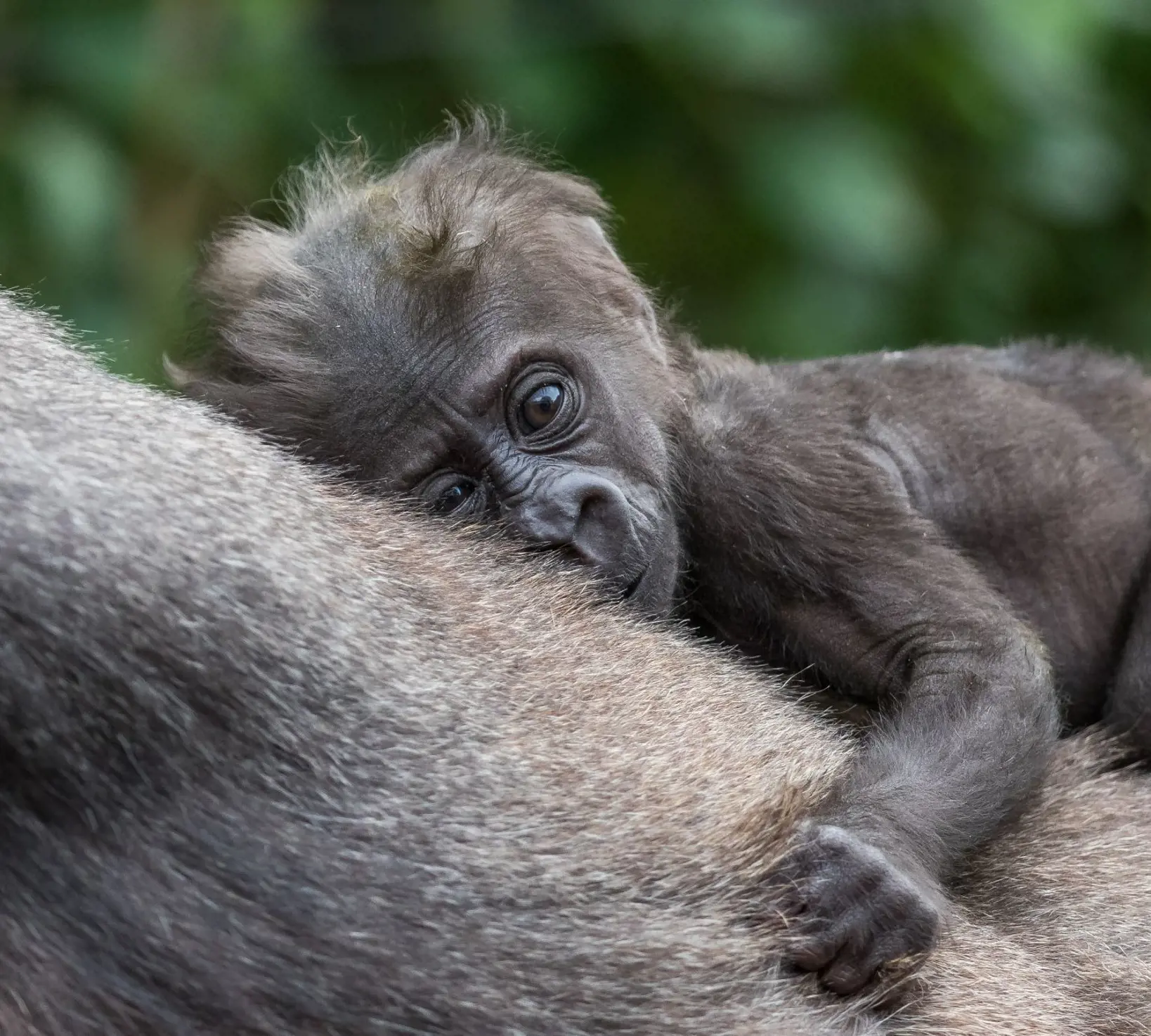
Gorilla deep dive
Discover more about what makes Gorillas so terrific.
Recyle your phone, save primates
You can recycle your phone at both of Taronga’s Zoos! But wait, what do mobile phones have to do with Gorillas, Siamang and other great apes? Find out with They’re Calling On You.
Conservation partners
Jane Goodall Institute Australia
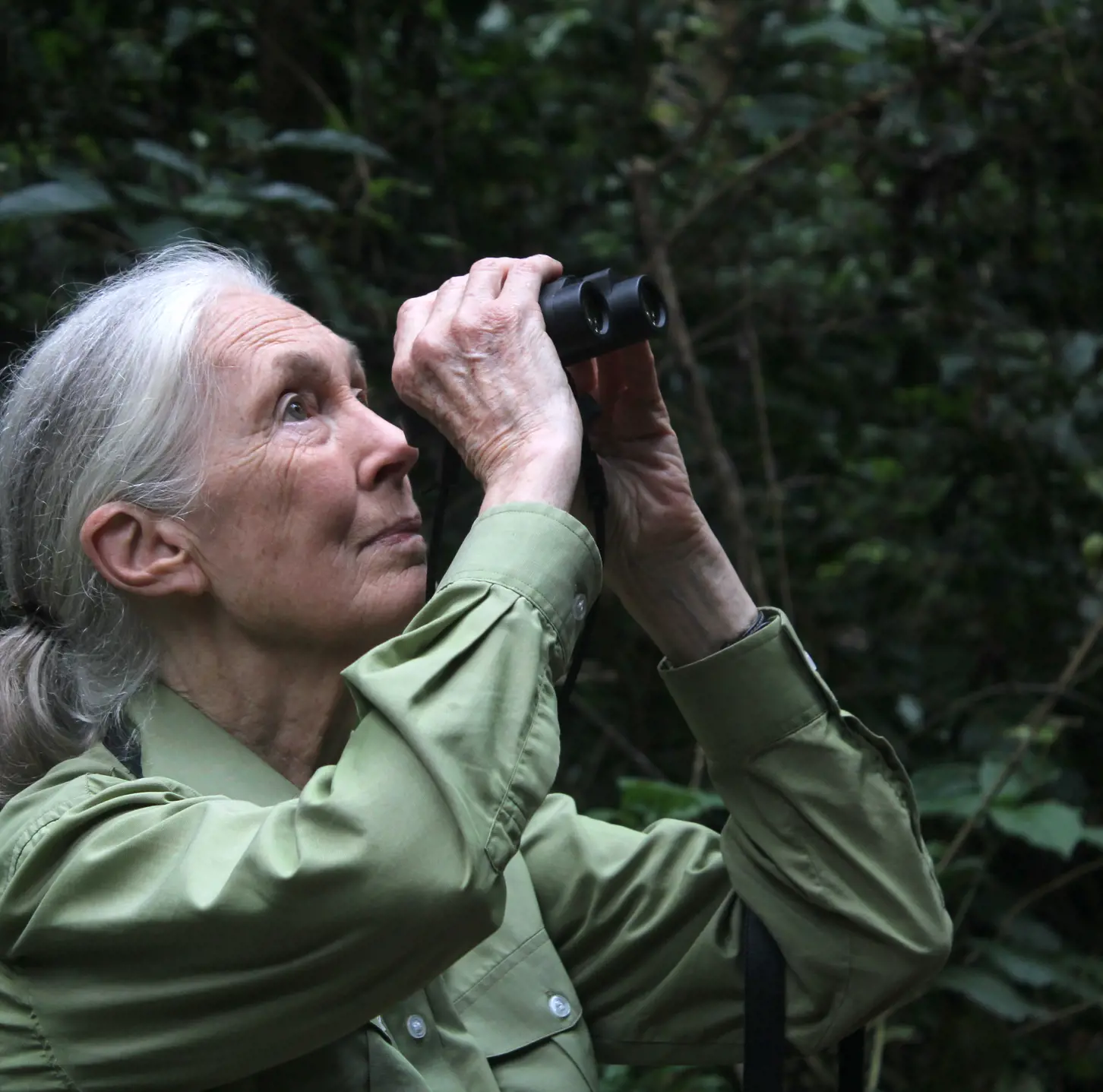
Taronga proudly supports the efforts of the Jane Goodall Institute Australia in their efforts to protect gorillas, chimpanzees and other apes from extinction. Their work includes efforts to end poaching, protect and restore habitat, and rehabilitate trafficked animals through community-centred conservation programs across Africa.