
Siamang
Scientific nameSymphalangus syndactylus
Conservation status (IUCN)
Endangered
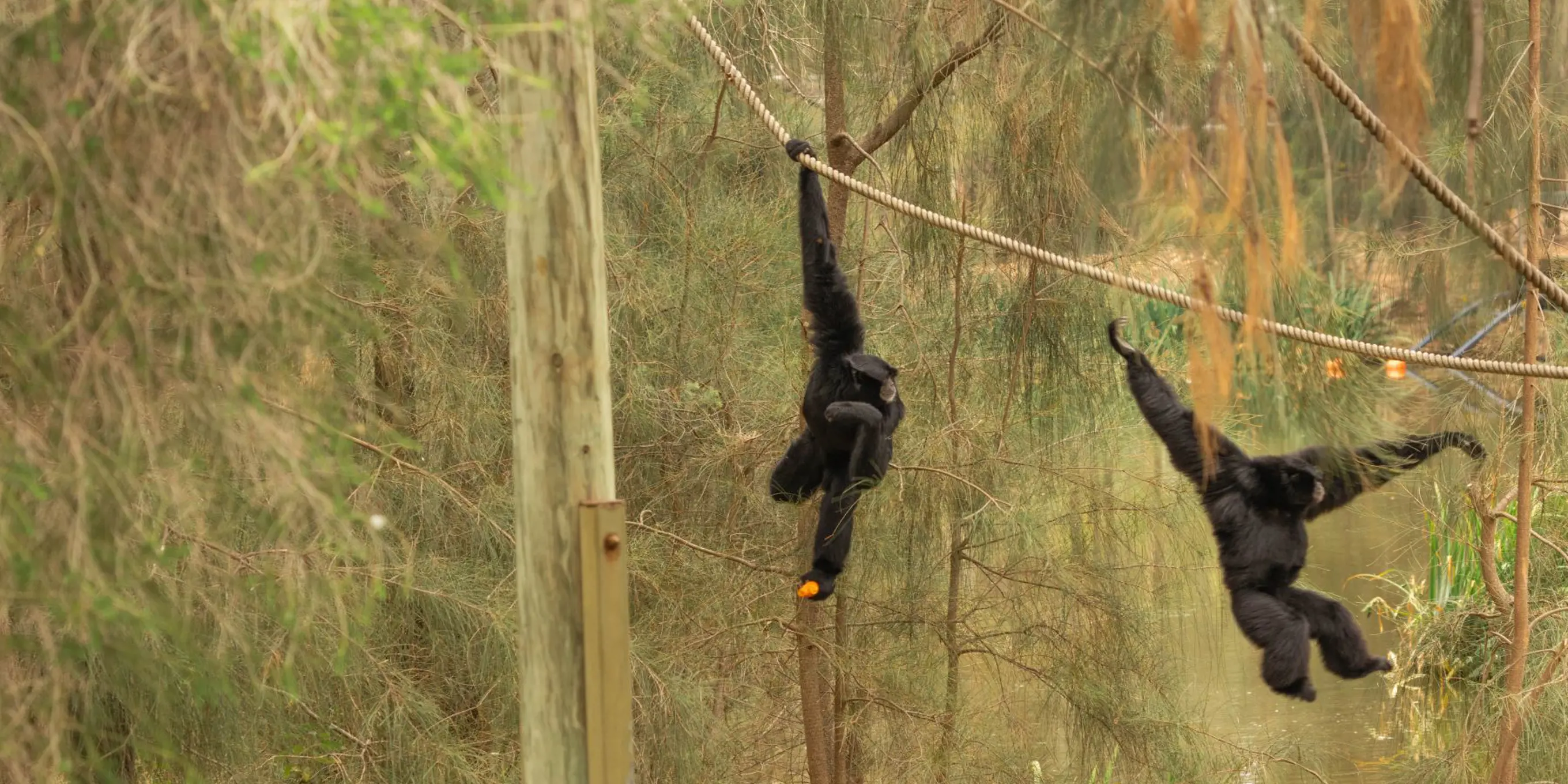
Siamangs are the largest and loudest of the gibbon family, filling the rainforests of South-east Asia with their legendary melodies.
Dubbo
Visitor tips for Dubbo
Siamangs can be seen at Map Ref. 10G
Most active
Mornings are the best time to hear them sing
2.20 pm
Keeper Talk
Fast facts about Siamangs
We bet you didn't know these facts about these vocal primates.

Tap the icons
Scroll across and tap the icons to reveal info on Siamangs.
Life in the leaves
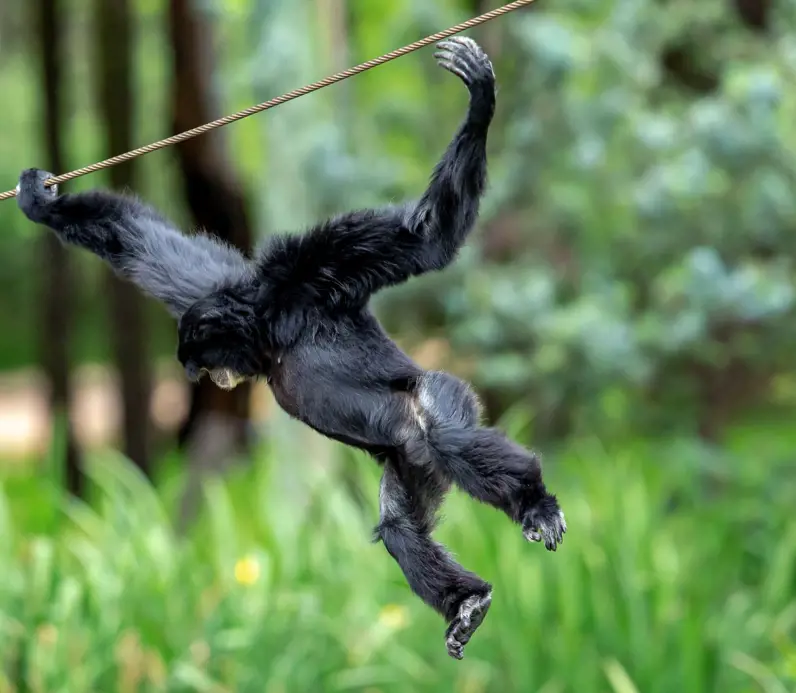
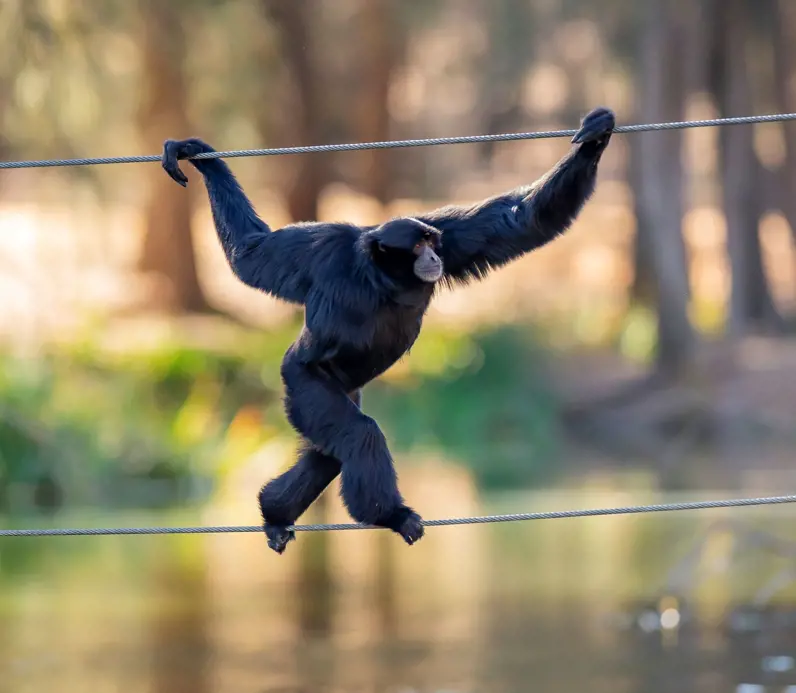
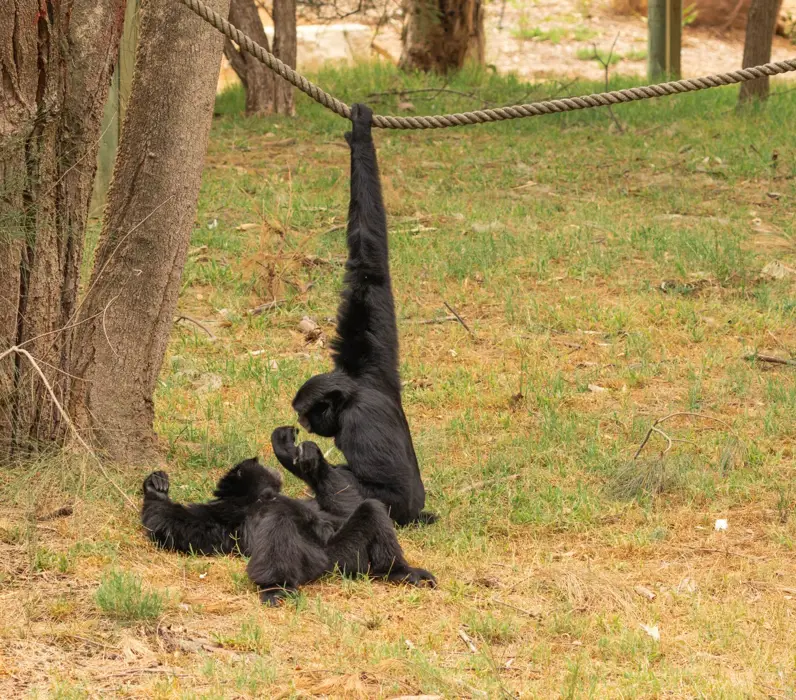
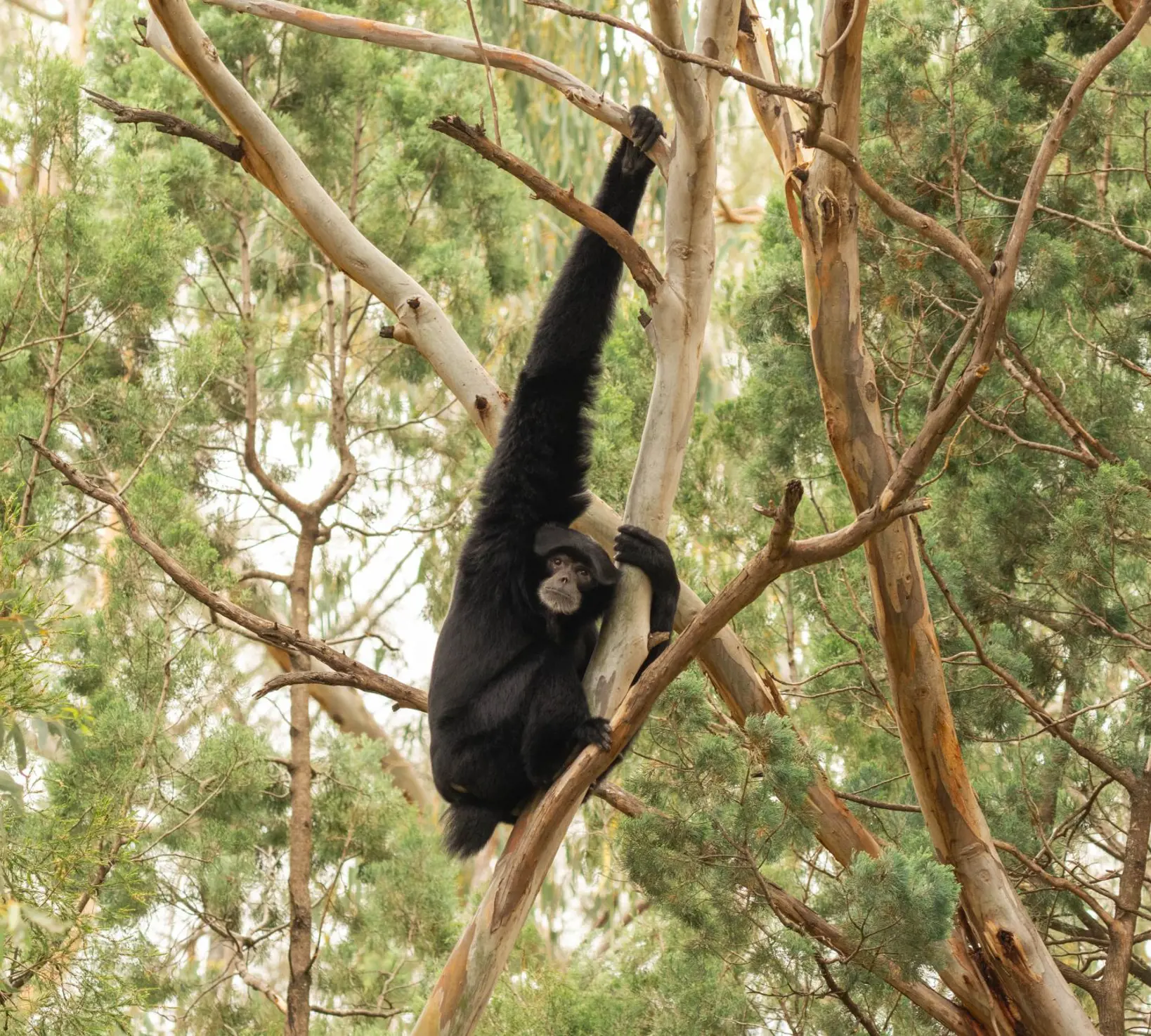
Siamangs’ extra-long arms help them brachiate, or swing, from tree to tree.
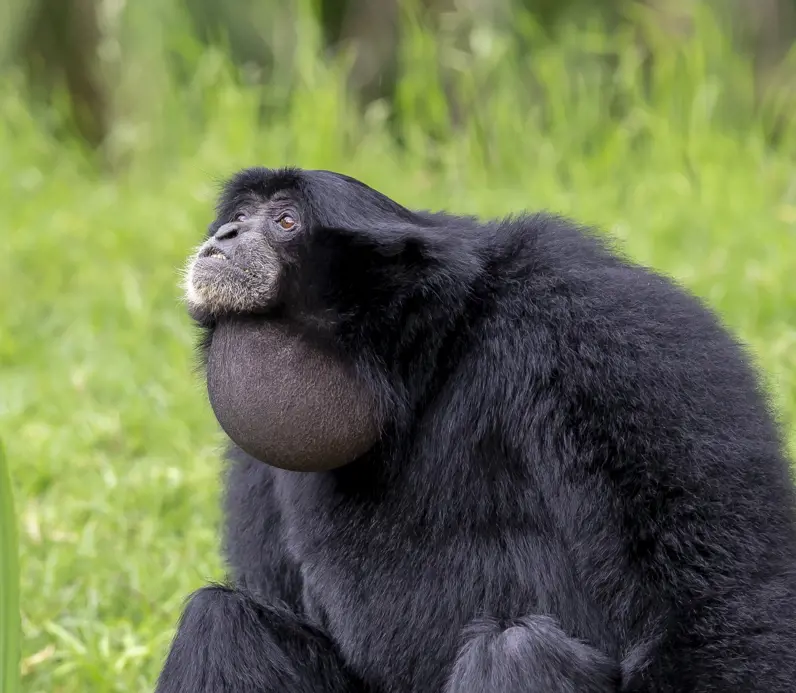
Throat pouch
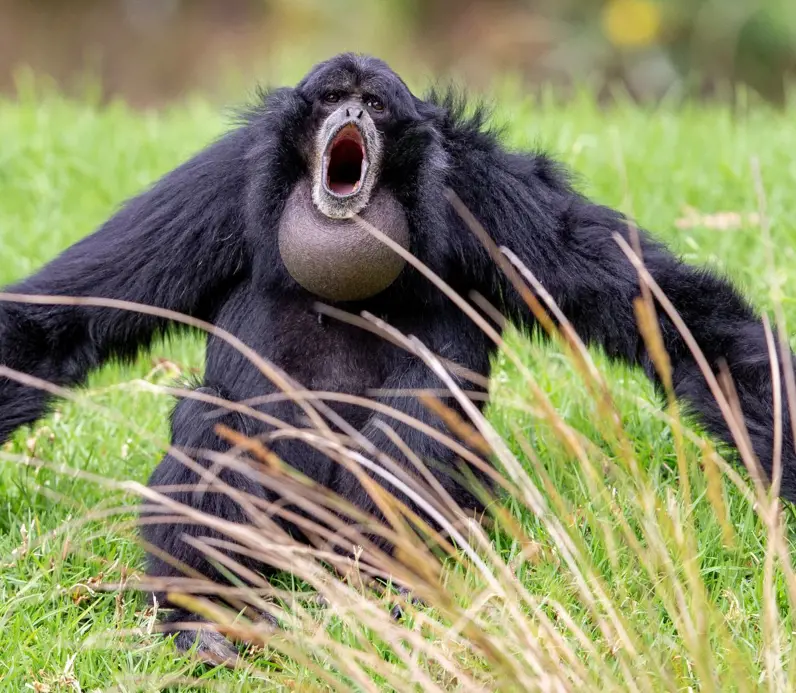
Siamangs have loose skin around the throat called a gular sac which inflates to amplify their singing.
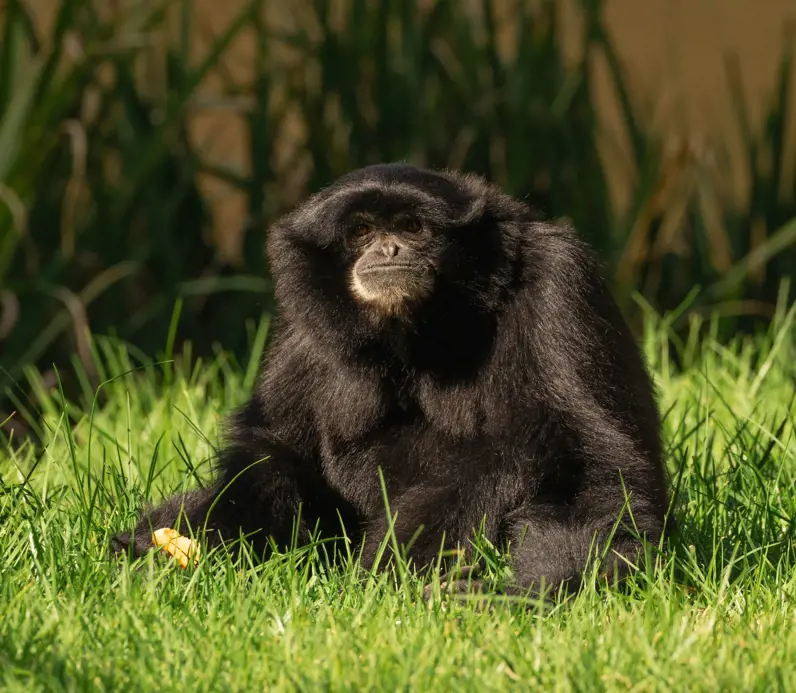
Dressed in black
Their shaggy black fur keeps them warm in cooler months.
Grasping Feet
They are the only gibbons with both opposable thumbs and toes, letting them climb with ease.
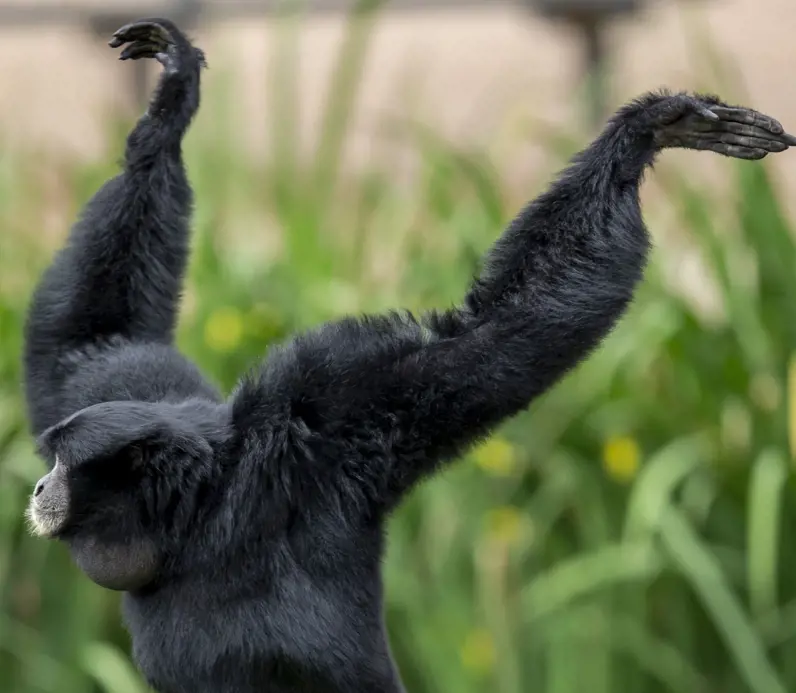
Hands held high
When walking along the ground, Siamangs hold both arms in the air for balance.
Loud and proud
Siamangs have one of the loudest calls of any animal, which can be heard over 3km away.
Did you know...

30yrs
is the typical lifespan for wild Siamangs, or up to 40 years in Zoos.
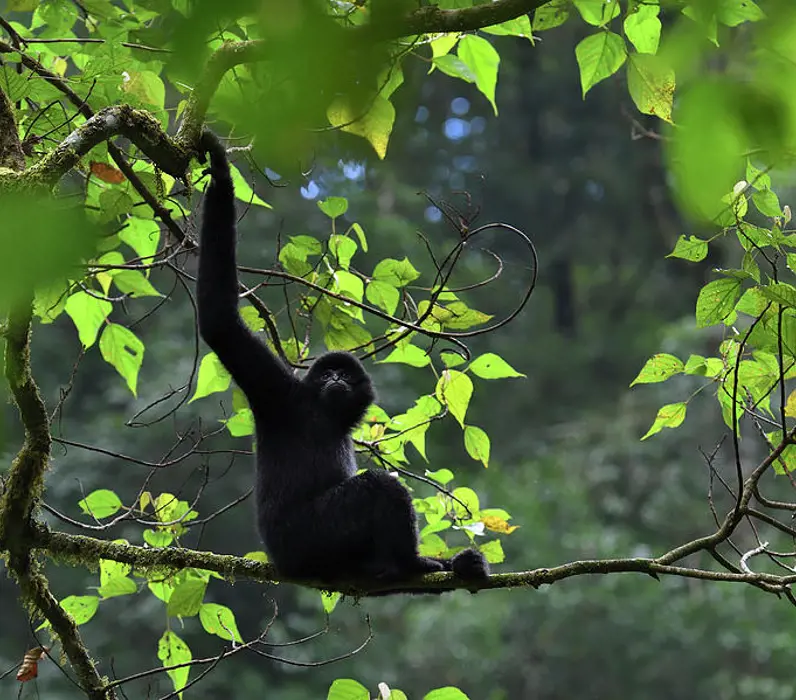
Where they live
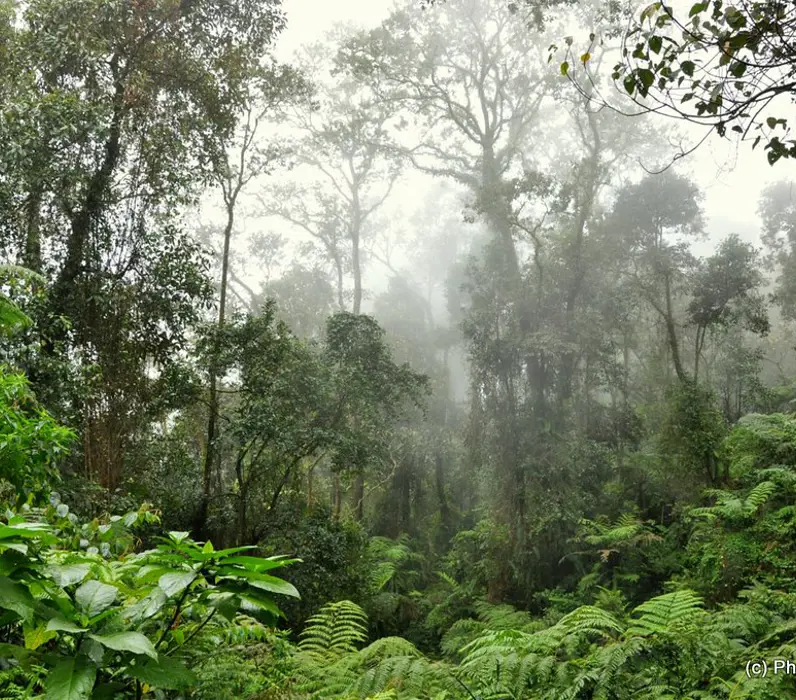
Tropical rainforest and monsoon forests

14kg
Siamangs can weigh up to 14kg
What they eat
Folivores/frugivores – mostly eating leaves and fruit, with occasional insects, eggs, and small vertebrates
Where they're found
Sumatra and Malay Peninsula

90cm
Adults are 75-90cm tall with an arm span up to 150cm
7.5 months
is the typical pregnancy time
12hrs
Siamangs sleep 9-12 hours per night, usually in the fork of a tree
30yrs
is the typical lifespan for wild Siamangs, or up to 40 years in Zoos.
Where they live
Tropical rainforest and monsoon forests
14kg
Siamangs can weigh up to 14kg
What they eat
Folivores/frugivores – mostly eating leaves and fruit, with occasional insects, eggs, and small vertebrates
Where they're found
Sumatra and Malay Peninsula
90cm
Adults are 75-90cm tall with an arm span up to 150cm
7.5 months
is the typical pregnancy time
12hrs
Siamangs sleep 9-12 hours per night, usually in the fork of a tree
Species management programs
Taronga contributes to an Australasian Species Management Program and/or international breeding program for this species. This helps maintain healthy and resilient zoo-based animal populations by preserving genetic diversity, supporting animal husbandry knowledge, and ensuring exceptional animal welfare, safeguarding the species for the future.
Conservation status (IUCN)
Endangered
Saving Siamangs
Wild Siamangs are endangered due to habitat loss, driven caused by threats like mining, palm oil plantations, and urban development. Siamangs are also opportunistically poached for the illegal pet trade or as bushmeat.
Taronga works with local conservation organisations in areas like Sumatra to protect ecosystems and wildlife like the Siamang. We also promote the use of Certified Sustainable Palm Oil and the recycling of old mobile phones at our Zoos to lessen the threats these apes face.
Taronga works with local conservation organisations in areas like Sumatra to protect ecosystems and wildlife like the Siamang. We also promote the use of Certified Sustainable Palm Oil and the recycling of old mobile phones at our Zoos to lessen the threats these apes face.
Siamang deep dive
Discover more about what makes Siamangs so unique.
Recyle your phone, save primates
You can recycle your phone at both of Taronga’s Zoos! But wait, what do mobile phones have to do with Gorillas, Siamang and other great apes? Find out with They’re Calling On You.